
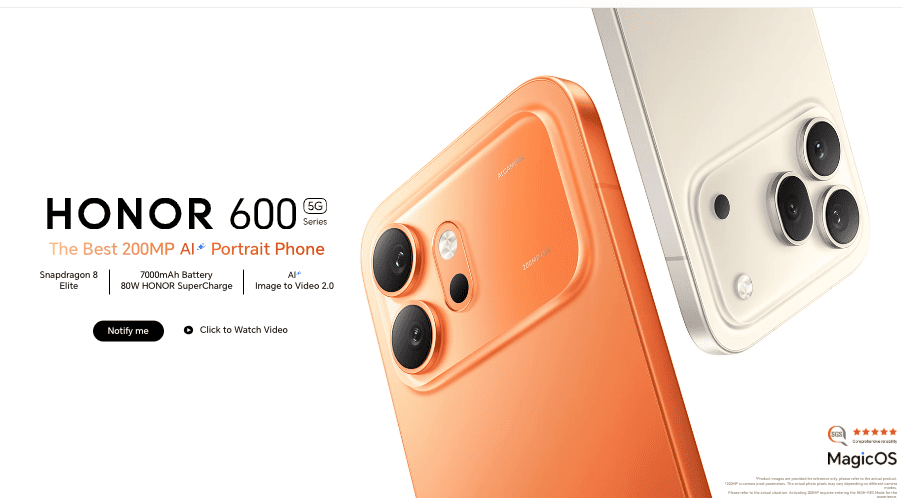
HONOR 600.
Aerospace Materials for Everyday Brilliance.
There are product launches, and then there are moments. HONOR’s official design reveal of the HONOR 600 Series — released from Dubai on April 13, 2026 — belongs firmly in the second category. A single set of images. A device draped in a warm, champagne-kissed gold. And an entire market of mid-range smartphones suddenly looks a little more ordinary by comparison.
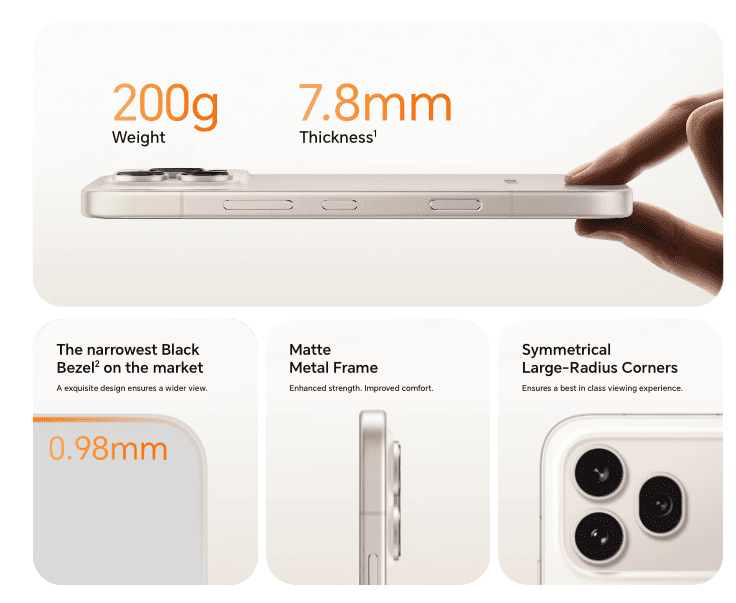
This is the HONOR 600 Series: the direct successor to the celebrated HONOR 400 lineup, and everything the design-conscious consumer has been quietly hoping someone would build. With a unibody cold-carved chassis that eliminates every seam and joint, a front-facing display framed by bezels so thin they barely register at 0.98mm, and a back panel crafted from Ultra-Durable Composite Fiber that combines the look of glass with the warmth of something altogether more considered — this device arrives not as an incremental step forward, but as a declaration.
The price hasn’t been announced. The final specs remain under wraps. But the design? The design has been revealed, and it speaks loudly enough on its own. What HONOR has shown the world is a phone that looks like it costs considerably more than it will. And in a market where the gap between expectation and reality often disappoints, that is an extraordinary thing to say.
This is the story of why that golden finish matters. Why the engineering behind the frame is more significant than it first appears. Why a 0.98mm bezel is a bigger deal than the number suggests. And why the HONOR 600 Series may represent the most compelling argument yet that premium design is no longer the exclusive language of the ultra-expensive. Honor 600 is the new flagship
The Golden Reveal
The Color That Started the Conversation
Gold is a complicated color in consumer technology. It has been misused, overused, and weaponized as a superficial shortcut to perceived luxury for the better part of a decade. The HONOR 600 Series uses none of that gold. What HONOR has applied to the device is something warmer, more considered, more architectural — a tone that sits closer to aged bronze or champagne than to the brash chrome-gold of lesser attempts.
The result is a phone that catches light in ways that feel organic rather than engineered. Under a warm interior lamp, it deepens. Under daylight, it brightens. In shadow, it holds a quiet richness that rewards a second look. It is a color that conveys confidence rather than ostentation, which is harder to achieve than it sounds.
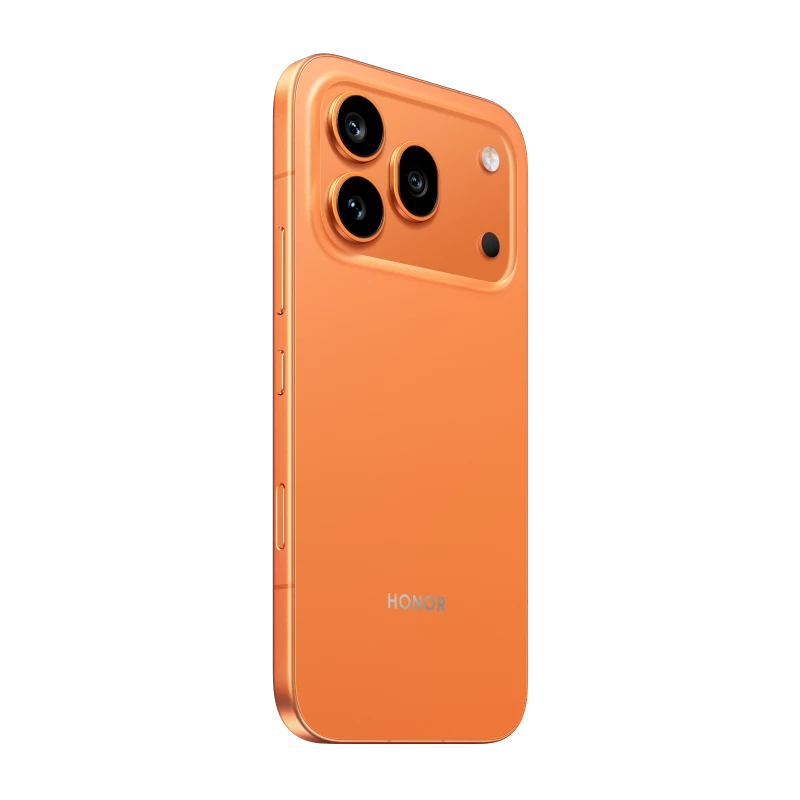
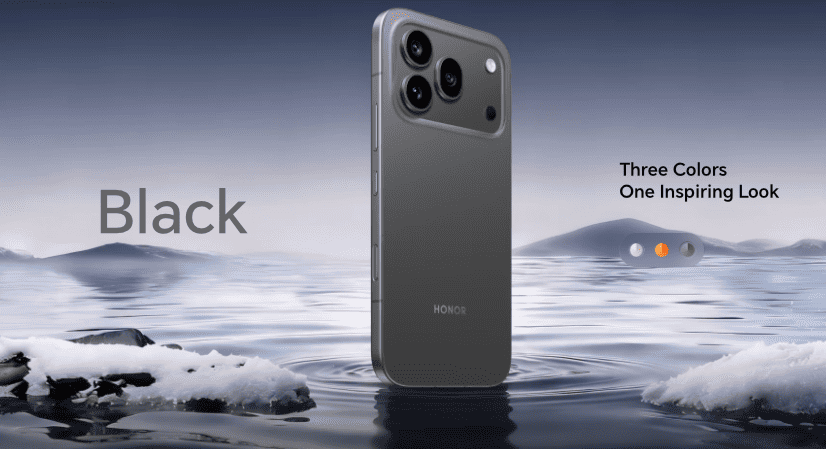
Two additional colorways are confirmed for launch — orange and black — completing a palette that spans bold expressiveness to refined restraint. But it is the gold that defines the opening chapter of the HONOR 600 story. It sets the tone (literally and figuratively) for everything the device is saying about itself: that it is premium, intentional, and not here to whisper.

Unibody Cold-Carving
The Art of Seamless Construction
Pull back from the color and look at the architecture of the device, and the engineering story becomes at least as compelling as the aesthetic one.
One of the most significant engineering details to emerge from the HONOR 600 Series reveal is the reported use of a unibody cold-carving manufacturing process. For those less familiar with smartphone construction, this distinction matters enormously — both to the feel of the device in hand and to its long-term structural integrity.
Traditional smartphone chassis are often assembled from multiple components, with visible seams or joints at the junction of the frame and the back panel. Cold-carving, by contrast, shapes the phone’s body from a single continuous piece of material. The result is a surface free of interruptions — no lines, no gaps, no visual breaks in the design. The phone looks and feels like an object that was grown rather than assembled.
This approach also has practical implications. Fewer joints mean fewer potential points of failure. The structural rigidity of a unibody frame is inherently superior to its multi-piece alternatives, which is why this construction method has historically been associated with premium devices far above the 600 Series’ expected price tier. That HONOR appears to be bringing this level of engineering to its Number Series is one of the most compelling aspects of this reveal.
Combined with the satin-like matte metal finish on the mid-frame — a surface treatment that diffuses light beautifully while improving tactile grip — the build quality of the HONOR 600 Series appears to be operating at a level few competitors at this price point can match.
Display Architecture
, 0.98mm Bezels, the New Definition of Edge-to-Edge
Numbers in smartphone specifications can be numbing. Screen sizes, megapixel counts, and processor core figures — they accumulate without always clarifying. The 0.98mm bezel measurement on the HONOR 600 Series is the exception. It is a number that, once contextualized, genuinely changes how you look at the device.
For reference, the majority of Android smartphones in the upper-mid-range and lower-flagship tiers — including devices from HONOR’s most direct competitors — have display borders between 1.5mm and 2.5mm. That range represents the current accepted standard. The HONOR 600 Series, if the reported measurement holds in production, would sit approximately 35% to 60% narrower than the accepted standard. At sub-millimeter measurements, the visual relationship between the screen and the frame transforms entirely. The display no longer sits inside the device. It sits at the surface of it — pressing right up against the edge of the world.
The reported large corner radius on the display compounds this effect. It softens what would otherwise be an abrupt geometric transition between screen and frame, giving the front face of the device a continuous, flowing quality that feels organic and intentional. From the front, the HONOR 600 Series looks less like a phone with a screen and more like a screen that happens to be a phone.
✦
Dimensions That Respect Your Hand
✦
156.0 × 74.7 × 7.8mm at 200g. These numbers represent choices — considered, deliberate trade-offs made in service of a specific vision of what using this phone should feel like.
At 7.8mm, the HONOR 600 Series enters a slim category that the mainstream market has been quietly retreating from. The industry’s recent appetite for larger batteries and more complex camera systems has pushed average smartphone thickness past 8mm, and in some cases well past 9mm. The engineering required to keep a device this capable at 7.8mm is non-trivial — it demands efficiency at every level of the component stack, from battery chemistry to thermal management to chassis structural engineering.
The 200g weight sits at a point that occupies the sweet spot between ‘feels substantial’ and ‘becomes fatiguing.’ Light enough to carry without thinking about it. Heavy enough to feel considered in the hand. The 156.0mm height and 74.7mm width place the footprint firmly in one-handed usability territory — a practical priority that resonates with users who have grown increasingly frustrated by devices that require two hands to navigate comfortably.
These dimensions describe a device with a clear philosophy: that a phone should serve the person carrying it, not the other way around.

The Material That Makes the Back Panel a Story
HONOR’s choice of back panel material for the HONOR 600 Series — described as Ultra-Durable Composite Fiber — represents one of the more interesting departures from category convention in recent memory. It is not glass. It is not standard polycarbonate. It is a composite material that draws from both, preserving the optical clarity and premium visual presentation of glass while incorporating the flexibility, lighter weight, and tactile warmth that glass inherently lacks.
In practice, this means a back panel that looks premium but behaves differently when handled. It contributes to the 200g weight figure without the penalty of glass’s density. It has a warmer feel in the hand — the kind of tactile quality that makes a device feel less like a precision instrument and more like a personal object. And it is reportedly more resilient to the kinds of stress fractures that make standard glass backs a persistent anxiety for users who prefer to go case-free.
This material choice speaks to something beyond specification: it speaks to an understanding of how phones are actually used, carried, dropped, and lived with — a level of design empathy that is rarer than it should be at any price point.
Standing on the Shoulders of the HONOR 400
The HONOR 600 Series does not arrive in a vacuum. It arrives as the successor to the HONOR 400 Series — a lineup whose commercial success was built not on raw specifications but on thoughtfully integrated capability that translated into genuine, daily-life value for the people who owned it.
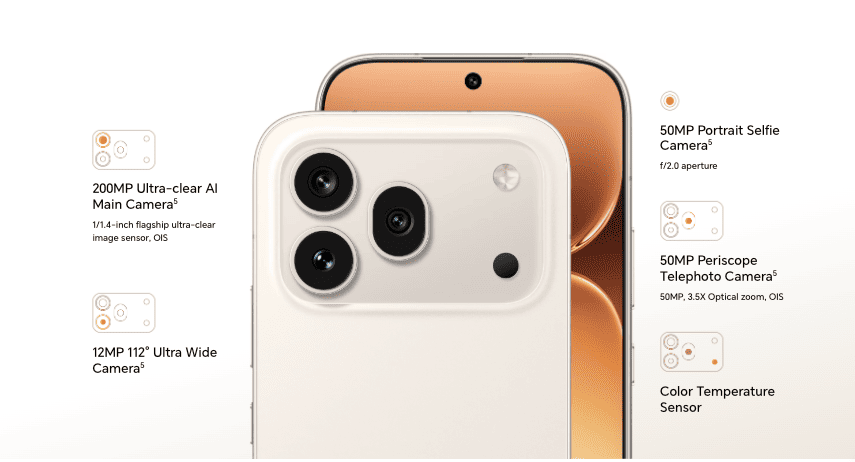
The HONOR 400 Series made its reputation primarily through its camera ecosystem and the AI tooling woven into it. The image-to-video feature — which debuted on the 400 Series — was a genuine breakthrough moment: the ability to transform a static photograph into a dynamic, cinematic clip using on-device artificial intelligence. It captured imagination, generated organic advocacy, and demonstrated that HONOR was willing to think about the smartphone camera as a creative tool rather than a specification checkbox.
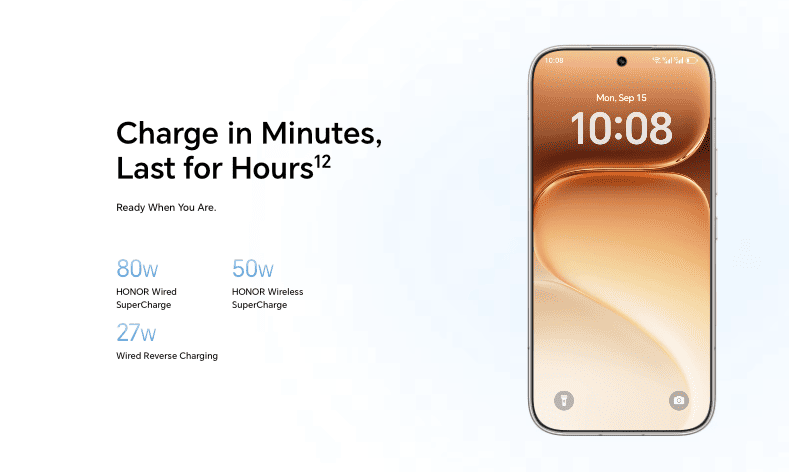
With the HONOR 600 Series, all available signals point toward HONOR not merely maintaining that foundation but substantially expanding it. The camera hardware is expected to receive meaningful upgrades. AI capabilities are expected to deepen across more dimensions of the photography and video experience. Chipset performance is expected to bring the device measurably closer to flagship territory in the tasks that matter most. Battery endurance — always a decisive factor for the value-conscious consumer — is expected to improve in both raw capacity and efficiency.
The HONOR 600 Series, in other words, is what the 400 Series aspired to be — and then some.


A Global Device for a Discerning World
The premium mid-range segment — broadly the $350–$600 tier — is where the most informed purchasing decisions in consumer electronics are made. Buyers in this segment know what they want, understand the trade-offs involved, and are not easily impressed by specification theater. They want evidence. They want materials they can feel, designs they can be proud to carry, and performance that matches the promise of the presentation.
HONOR’s target audience for the 600 Series spans markets that share these characteristics while carrying their own distinct preferences: the UAE and broader Gulf region, where design and brand perception carry enormous weight; South and Southeast Asia, where value-to-quality ratio is scrutinized closely; and parts of Europe and Africa, where HONOR has been steadily rebuilding its presence since its independence from Huawei.
In all of these markets, the HONOR 600 Series arrives with a proposition that is difficult to dismiss: flagship design language, premium materials and manufacturing, and a lineage of genuine innovation — at a price that doesn’t require a flagship budget to access.
Who Is This Phone Built For?
- The Design-First Professional — Someone for whom the phone is an extension of personal identity. The gold finish, seamless construction, and premium materials deliver a device that makes a statement in every room.
- The Creative Content Maker — Photography upgrades, AI editing, and the image-to-video legacy of the 400 Series make the 600 a genuinely capable creative platform for the person whose phone is their primary camera.
- The Smart Daily Carrier — Slim enough to pocket without thinking about it. Light enough to forget you’re holding it. Battery life is expected to carry you through the full day. This is the device for people who use their phone constantly and want it to stay out of the way.

- The Informed Upgrader — Someone moving up from an older mid-range device, or stepping down from a flagship they no longer want to pay for. The 600 Series offers the design quality and capability that makes that transition feel like a gain rather than a compromise.
Frequently Asked Questions.
| Q | When does the HONOR 600 Series launch? |
| A | No official launch date has been confirmed. The design reveal occurred on April 13, 2026, from Dubai. Based on HONOR’s typical cycle, a full announcement is expected within weeks. |
| Q | What colors are available? |
| A | Gold (revealed first), orange, and black are confirmed for launch. The gold colorway has been the focus of early marketing and reveal imagery. |
| Q | What is the 0.98mm bezel? |
| A | The reported black border surrounding the display — potentially one of the narrowest on any Android device, making the screen appear nearly borderless. |
| Q | What is Ultra-Durable Composite Fiber? |
| A | A hybrid back panel material combining the visual premium of glass with the lightness and flexibility of composite fiber construction, offering a warmer tactile feel. |
| Q | How does it compare to the HONOR 400? |
| A |
The 600 Series is expected to upgrade camera hardware, deepen AI features, improve battery endurance, and advance chipset performance toward near-flagship levels. |
| Q |
Is the HONOR 600 mid-range or flagship? |
| A |
It sits in HONOR’s Number Series (premium mid-range), but the design, materials, and manufacturing approach all operate at flagship-adjacent levels. |
| Q |
What does ‘unibody cold-carving’ mean? |
| A |
The chassis is shaped from a single continuous piece of material — no seams, no joints — producing a structurally unified, visually seamless frame. |
| Q |
What is the expected price range? |
| A |
No official price has been announced, but based on the 400 Series positioning, the 600 Series is expected to fall in the premium mid-range bracket — significant value for its build quality. |
The Promise Has Been Made. Now Watch It Being Kept.
A design reveal is, at its core, a promise. HONOR has made a compelling one. In a single set of official images from Dubai, they have communicated a design philosophy that is coherent, ambitious, and specific — one where every material choice, every manufacturing decision, every dimensional number serves a unified idea of what a premium experience should feel like when it doesn’t demand a premium price.
The golden finish that stopped people scrolling was not an accident. The 0.98mm bezel was not a rounding error. The composite fiber back panel and the cold-carved unibody frame are not marketing language — they are engineering commitments made visible. They are the language of a brand that has decided to stop making excuses about price tiers and simply build the best device it can build.
The HONOR 600 Series, as revealed, is a dream: slim, golden, seamless, and full of quiet confidence. The promise is extraordinary. What remains is for the product to keep it — to deliver, in the hands of real people in real moments, everything these images say it will be.
If it does, the HONOR 600 Series won’t just be a commercial success. It will be proof of something important: that a phone built like a dream doesn’t have to be priced like one.

