
Samsung’s Vision for AI Living
When Technology Stops Being a Tool and Becomes Your Partner
Close your eyes for a moment and imagine this: You wake up, and your home already knows what you need. Your coffee is brewing, your schedule is displayed where you can see it, and your favorite morning playlist begins softly in the background. Your refrigerator has already planned your meals based on what’s inside, your TV understands not just what you want to watch but why, and your appliances work together like a symphony orchestra—each instrument perfectly timed, harmoniously connected.
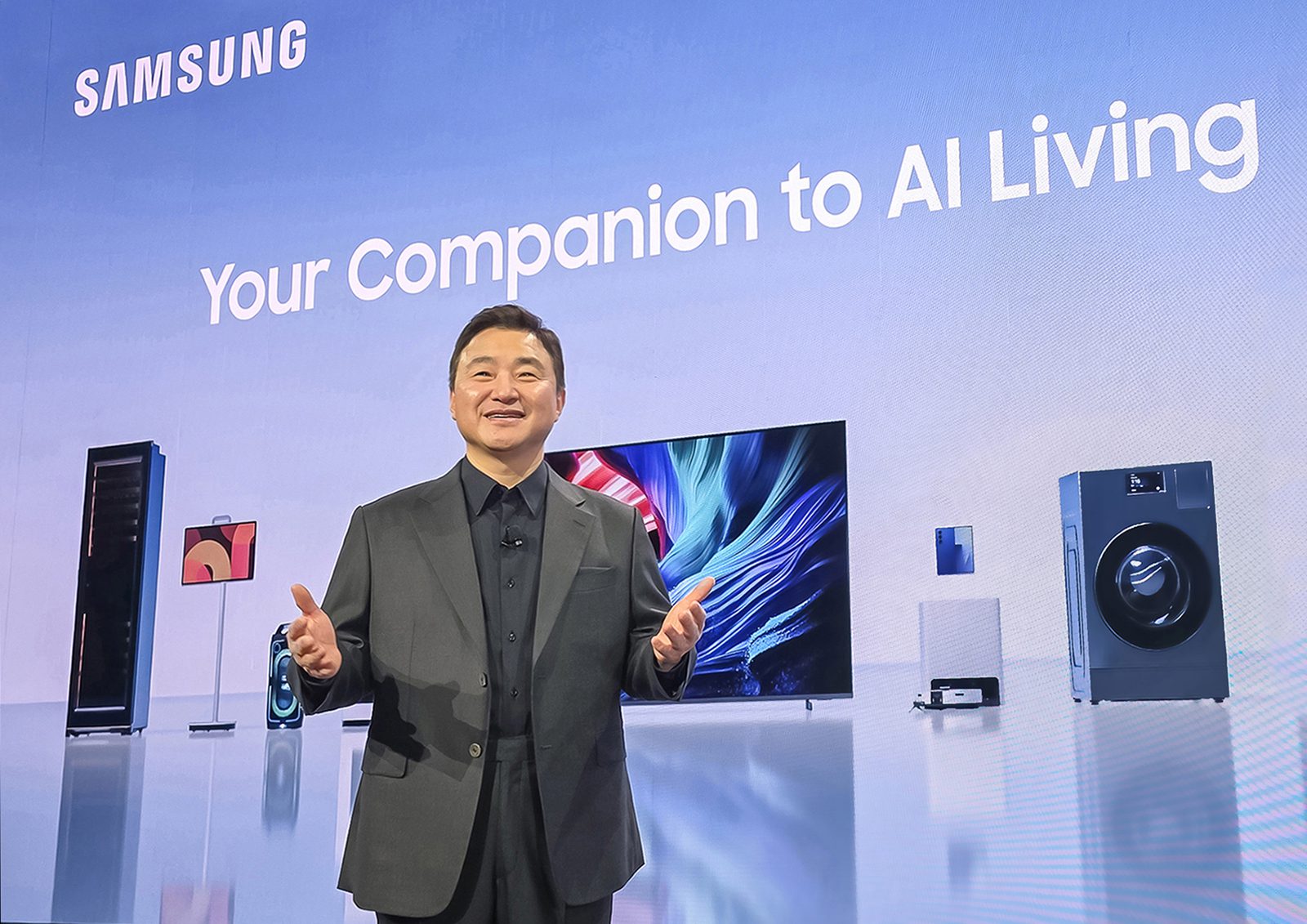
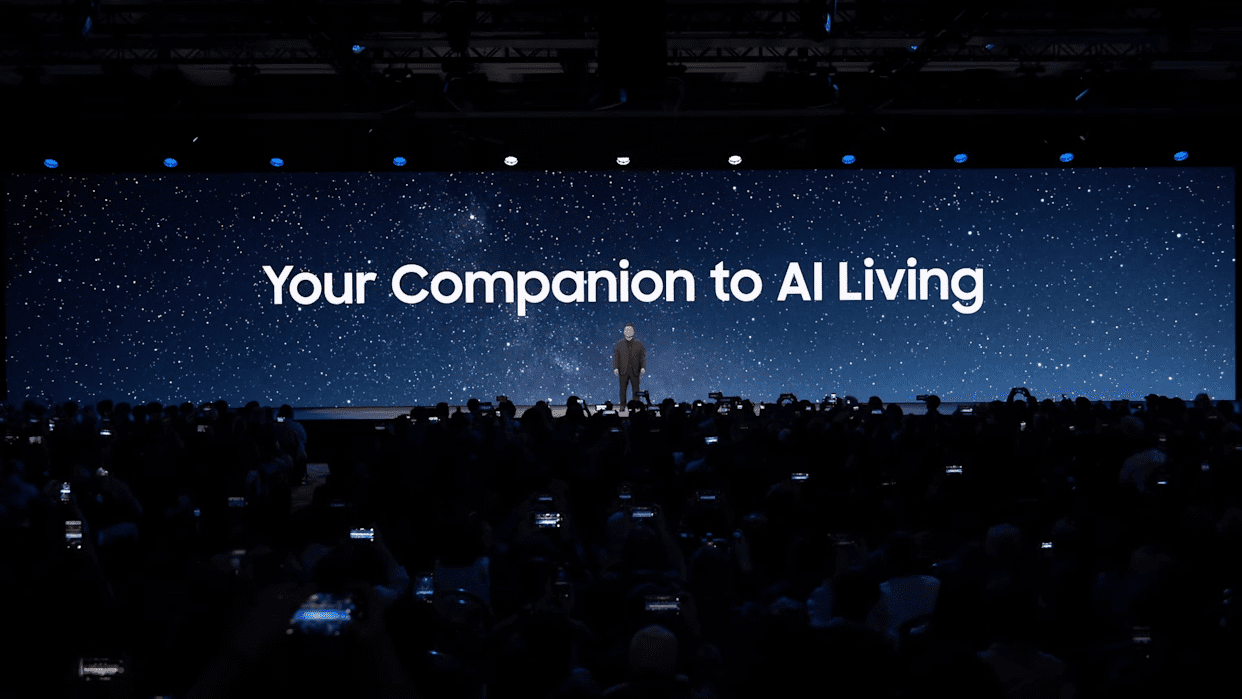
This isn’t science fiction. This isn’t a distant dream reserved for the privileged few. This is Samsung’s vision for 2026, unveiled at CES in Las Vegas on January 5th—a vision they’re calling “Your Companion to AI Living.”
But here’s what makes this moment different from every other technology announcement you’ve heard before: Samsung isn’t just adding artificial intelligence to devices. They’re fundamentally reimagining what it means to live with technology. They’re asking a question that resonates with every person who’s ever felt overwhelmed by the digital age: What if technology didn’t demand your attention, but instead, quietly supported your life?
For decades, we’ve adapted ourselves to fit our technology. We’ve learned its language, followed its rules, and memorized its commands. Samsung is flipping that script entirely. With over 430 million SmartThings users as of December 2025, they’re leveraging an ecosystem so vast and interconnected that it can finally understand you—your rhythms, your preferences, your needs before you even articulate them.
This is the story of how one company is setting new rules for how we consume data, share our lives with technology, and find meaning in the digital tools that surround us. This is about transformation, not transaction. Connection, not just convenience. And it begins with understanding that the best technology is the kind you barely notice—because it’s too busy making your life better.
Samsung’s Journey to AI Leadership
From Hardware Pioneer to Ecosystem Architect
Samsung Electronics didn’t arrive at this moment by accident. Founded in 1969 as Samsung Electric Industries, the company began manufacturing black-and-white televisions in Suwon, South Korea. By the 1980s, they were producing refrigerators, washing machines, and air conditioners. But the real transformation began in the late 1990s when Samsung made a strategic decision that would define the next three decades: invest relentlessly in research and development.
Today, Samsung operates 42 research centers across the globe and employs over 250,000 people worldwide. Their R&D investment exceeded $22 billion in 2024 alone—one of the highest in the consumer electronics industry. But numbers only tell part of the story.
What truly distinguishes Samsung is its philosophy: connectivity isn’t a feature; it’s a foundation. While competitors built excellent individual products, Samsung built an ecosystem. Every device—from your smartphone to your refrigerator to your vacuum cleaner—speaks the same language through SmartThings, creating a unified experience that grows more intelligent with every interaction.
The Leadership Behind the Vision
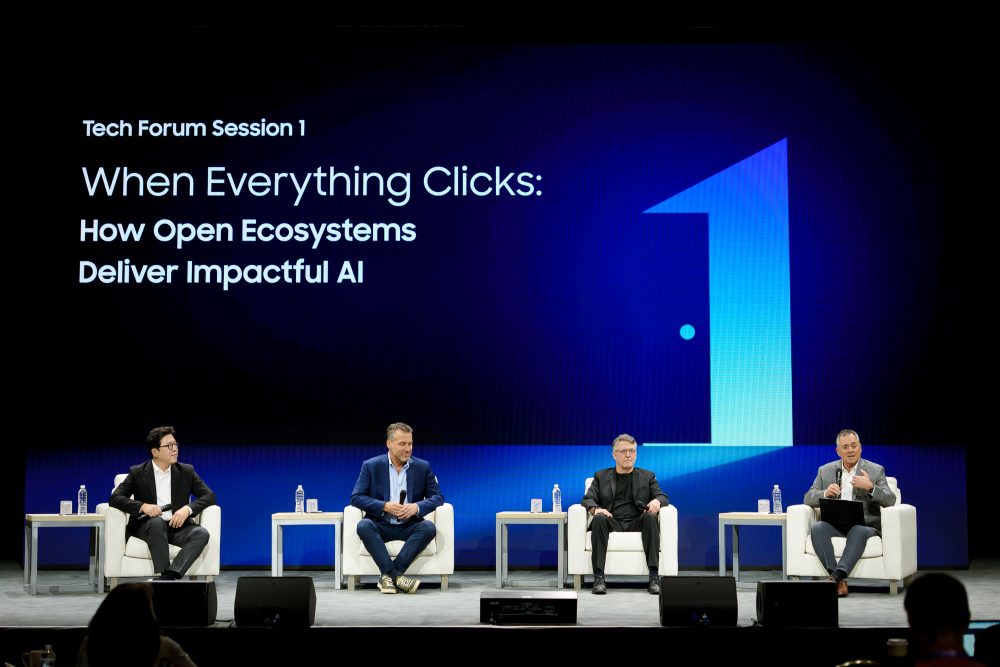
TM Roh, CEO and Head of Samsung’s Device eXperience (DX) Division, has been instrumental in driving this unified AI vision. Under his leadership, Samsung has moved beyond the “race for specs” mentality that dominated the industry for years. Instead, they’ve focused on meaningful integration—ensuring that AI doesn’t just perform tasks, but understands context, anticipates needs, and adapts to individual lifestyles.
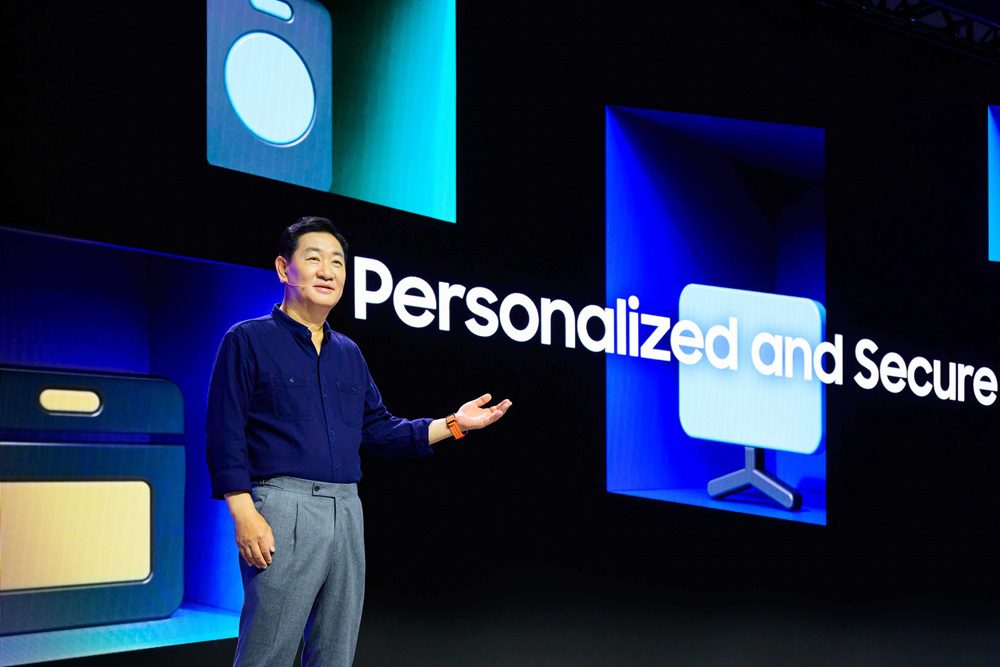
“Samsung is building a more unified, more personal experience across mobile, visual display, home appliances and services,” Roh explained at The First Look event. “With our global connected ecosystem, and by embedding AI across categories, Samsung is leading the way to offer more meaningful everyday AI experiences.”
This isn’t marketing speak. It represents a fundamental shift in how Samsung approaches product development—moving from device-centric thinking to experience-centric design.
The Three Pillars of Samsung’s AI Living Philosophy
Redefining What Television Means
The 130-Inch Micro RGB: Where Technology Meets Artistry
Television has been stuck in a paradox for years: screens got bigger and sharper, yet the experience remained fundamentally passive. You watched. The TV displayed. End of story.
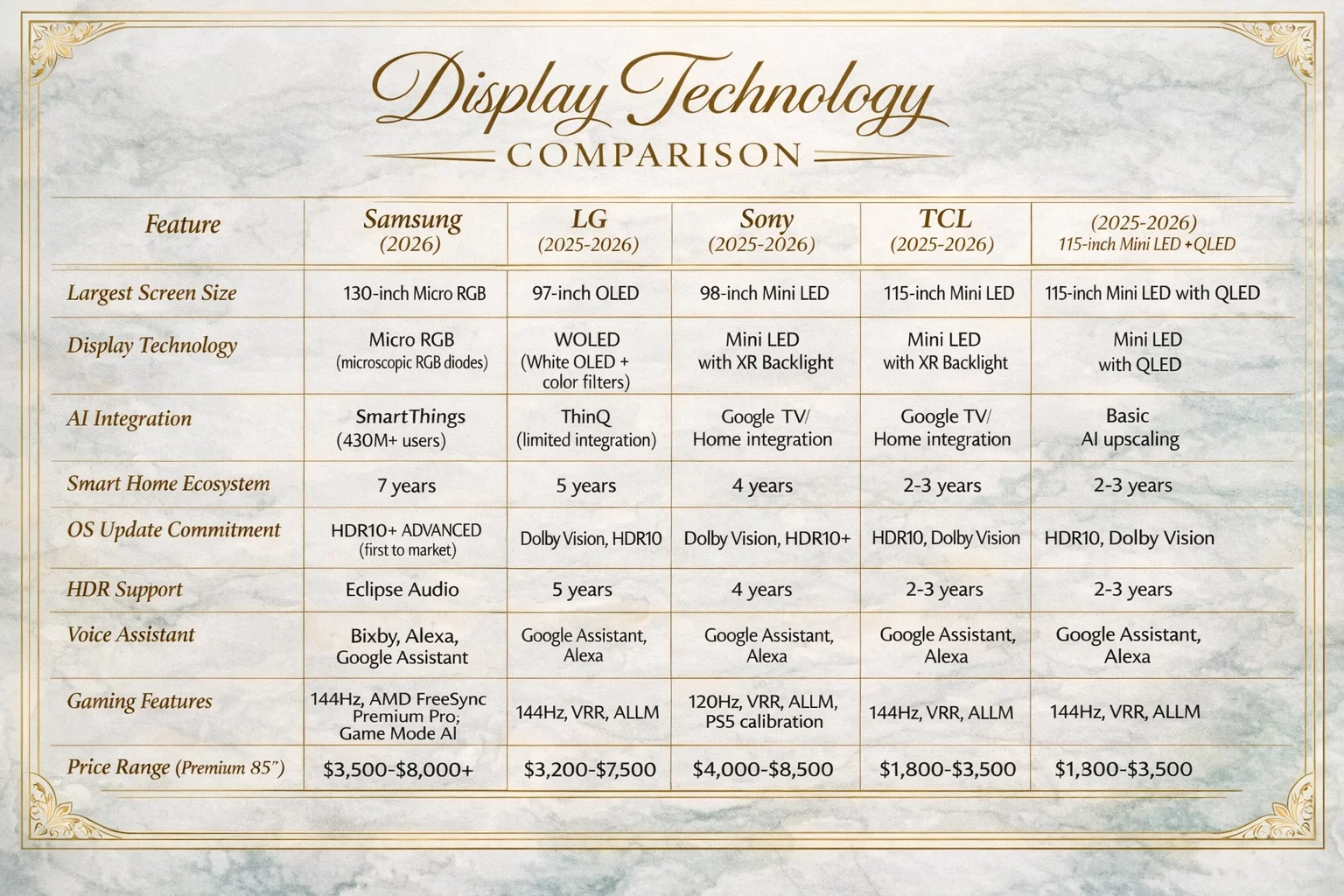
Samsung’s 2026 display lineup, led by the extraordinary 130-inch Micro RGB, shatters this paradigm entirely. This isn’t just a television—it’s a micro-sized RGB light source where every microscopic red, green, and blue diode shines independently, producing color in its purest, most natural form. The result? The widest and most detailed color spectrum ever seen in consumer displays.
But the real innovation isn’t in the pixels—it’s in the intelligence behind them.
Vision AI Companion (VAC): Your Entertainment Curator
Imagine asking your TV, “What should we watch tonight?” and receiving recommendations not based on algorithms that push popular content, but on a genuine understanding of your mood, your viewing history, your family’s preferences, and even what time it is and how you’re feeling.
Vision AI Companion makes this possible. It works alongside you as a full entertainment companion to enhance viewing, dining, and mood anywhere in the home. Watching a cooking show? Ask VAC for the recipe you just saw, and it will find it, send it to your Family Hub refrigerator, and even suggest wine pairings based on ingredients you already have.
Soccer fan?
AI Soccer Mode Pro delivers stadium-level picture and sound tuning, while AI Sound Controller Pro lets you independently adjust the volume of crowd noise, commentary, or background music. It’s personalization at a granular level we’ve never experienced before.
The Ecosystem Advantage: When Devices Dance Together
Here’s where Samsung’s decade-long investment in ecosystem building pays off magnificently: VAC doesn’t live in isolation. It sends recommended recipes to The Movingstyle—Samsung’s newly unveiled portable display designed to move throughout your home—and to your kitchen appliances. Your TV, your refrigerator, your oven, and your smartphone all collaborate to create a seamless cooking experience.
This is what true integration looks like. Not devices that can talk to each other, but devices that want to help you achieve your goals.
The Design Philosophy: Timeless Frame
Samsung’s Timeless Frame design philosophy deserves special mention. In an era when televisions often dominate living spaces with thick bezels and intrusive stands, Samsung has created displays that disappear into your décor. The ultra-thin OLED S95H features a refined bezel that gives it art gallery elegance, while the Freestyle+ portable projector (powered by VAC) allows you to view content on walls, ceilings, even uneven surfaces like corners and curtains.
The message is clear: technology should enhance your space, not dominate it.

Home Companion: From Appliances to Life Partners
The SmartThings Revolution: 430 Million Users Strong
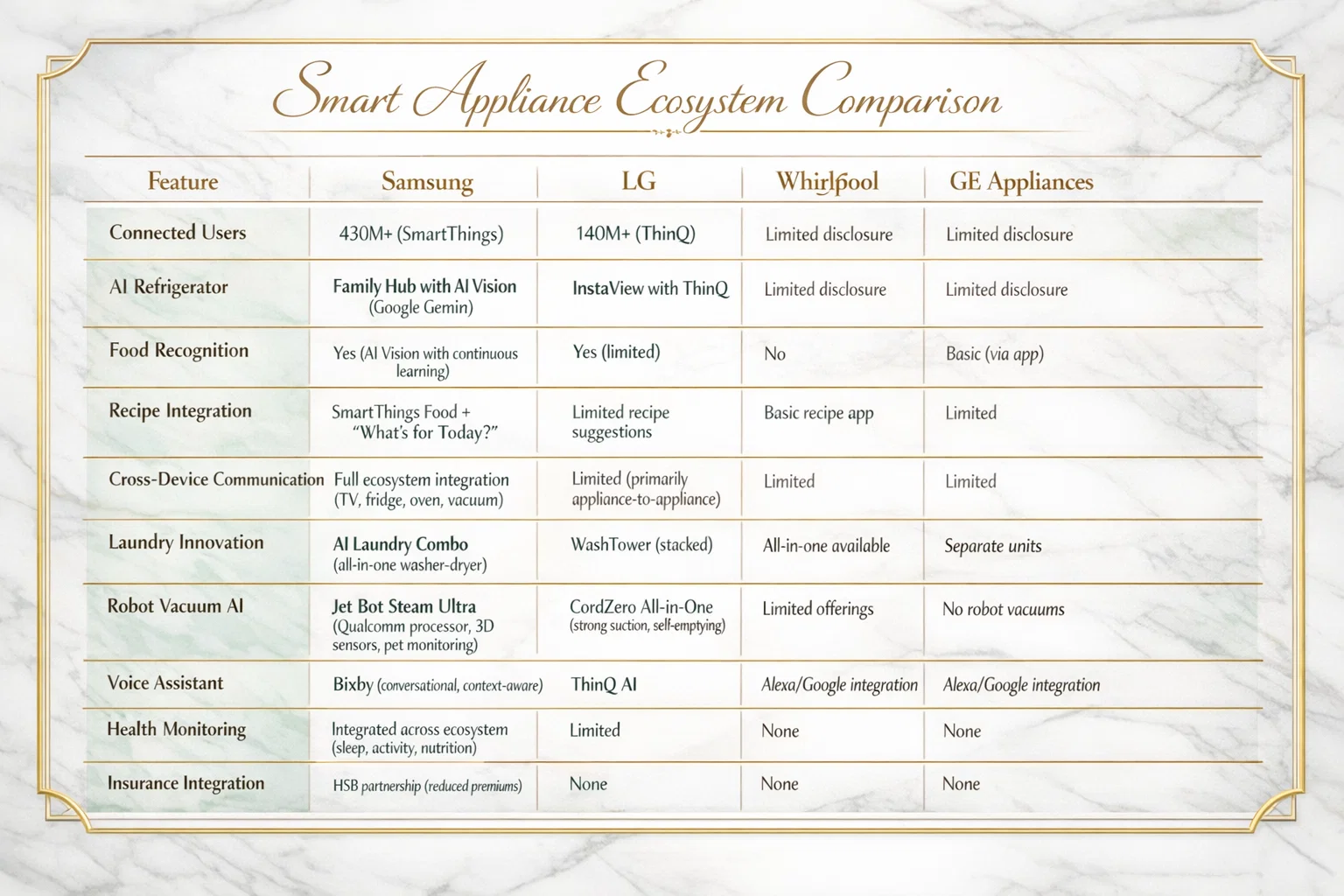
When Cheolgi Kim, Executive Vice President and Head of Samsung’s Digital Appliances Division, announced that SmartThings now serves more than 430 million users as of December 2025, the number might have seemed like just another statistic. But consider what it truly represents: nearly 6% of the entire global population has chosen to connect their homes through Samsung’s platform.
This scale provides Samsung with unparalleled insight into how people actually live—not how engineers think they live, but how they really move through their days, what frustrates them, what brings them joy, what they need before they know they need it.
Family Hub: The Heart of Your Home
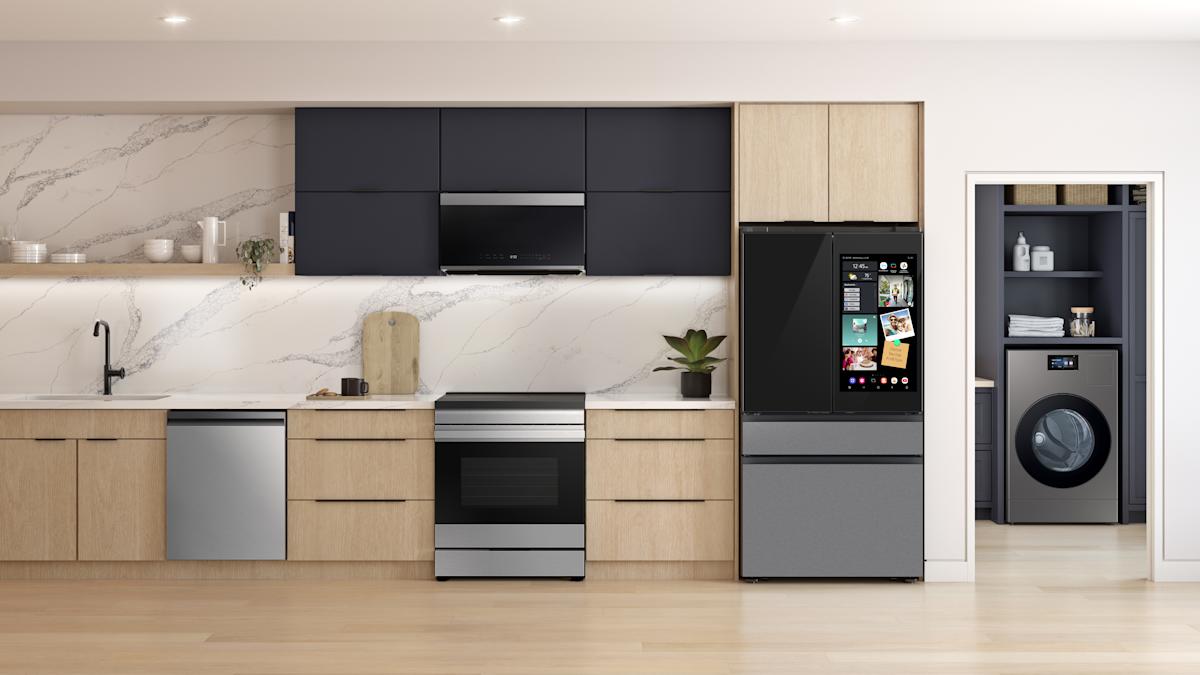
The Family Hub refrigerator has always been ambitious—a refrigerator with a screen seemed excessive to many when it first launched. But Samsung was playing a longer game. They understood that the kitchen is the heart of the home, the place where families gather, where plans are made, where life happens.
With the 2026 update featuring AI Vision built with Google Gemini, the Family Hub becomes truly transformative. It recognizes food items placed into and taken out of the refrigerator with remarkable accuracy, making meal planning and food management genuinely simple rather than theoretically possible.
“What’s for Today?”—the gamified feature that provides recipe recommendations based on refrigerator contents—solves a problem every parent knows intimately: the 5 PM panic of “what’s for dinner?” No more staring into a full refrigerator feeling utterly uninspired. The Family Hub suggests recipes, shows you step-by-step instructions through SmartThings Food, and sends cooking instructions directly to your oven or range.
Video to Recipe takes this further: see a cooking video you love? The Family Hub converts it into easy-to-follow steps, allowing you to cook along without constantly pausing and rewinding.
FoodNote provides a weekly report recapping your food intake patterns, most-used ingredients, recipe recommendations, and restocking alerts. It’s like having a nutritionist, personal chef, and grocery planner all working quietly in the background.
The Laundry Room Revolution
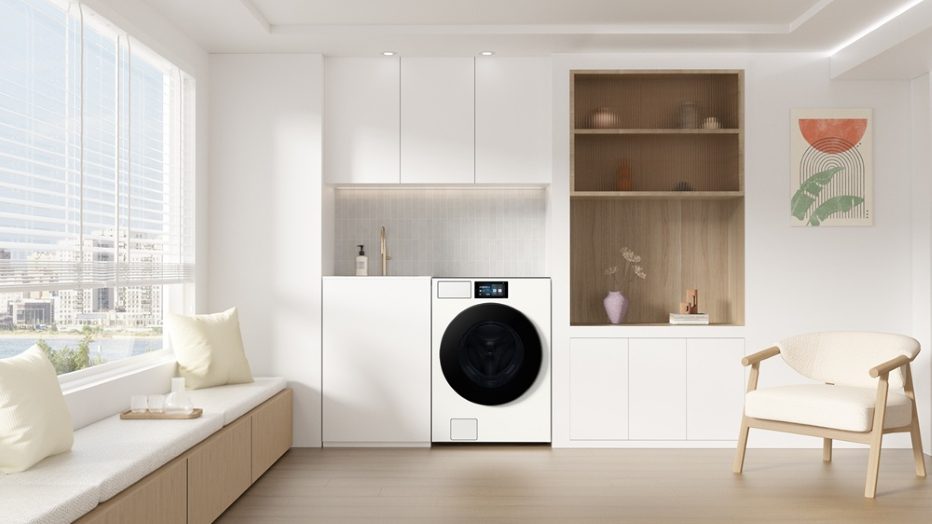
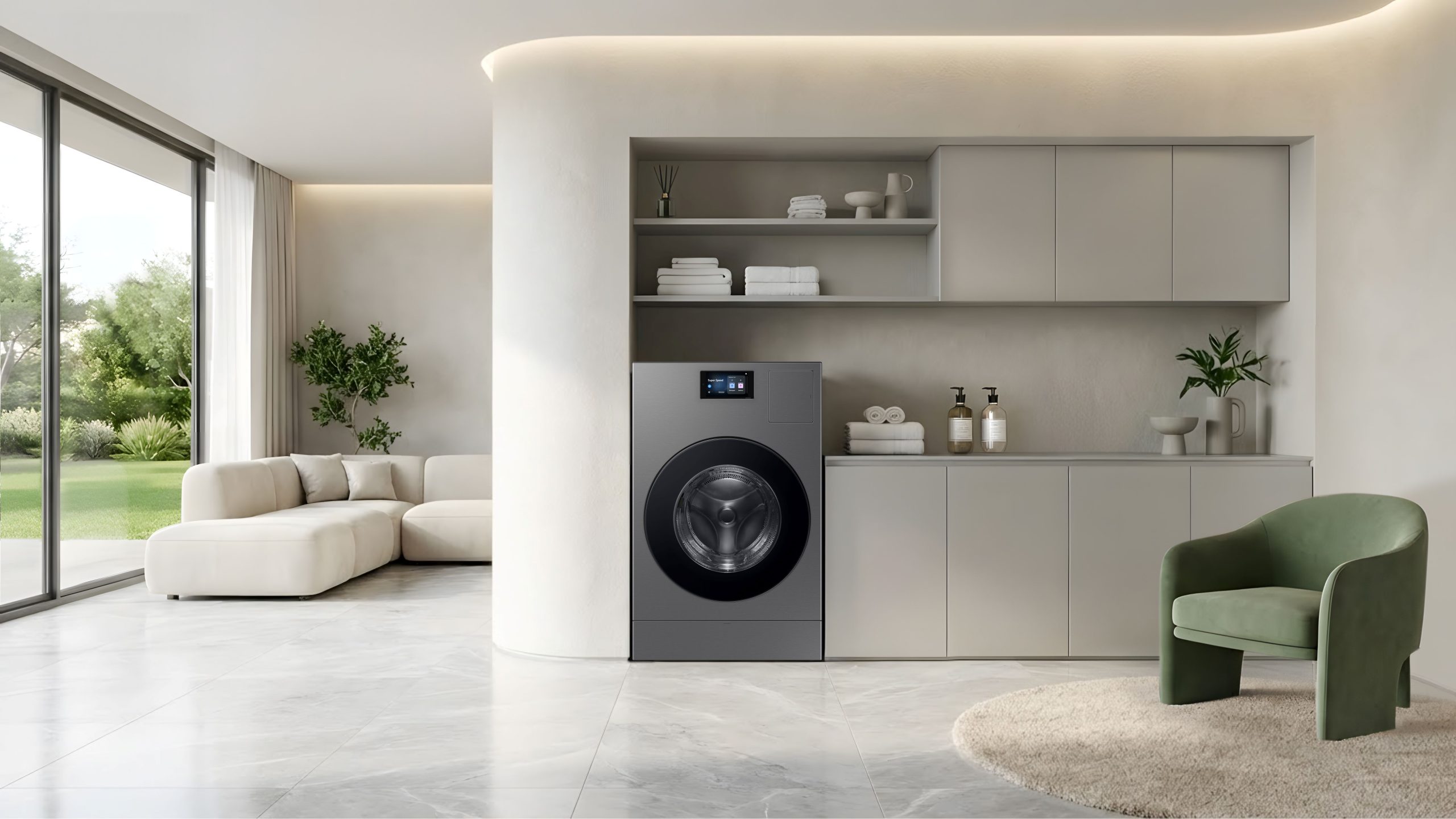
Anyone who’s done laundry knows the frustration: wash a load, forget to transfer it to the dryer, discover damp, musty-smelling clothes hours later. The Bespoke AI Laundry Combo eliminates this entirely by combining a washer and dryer in one unit with enhanced drying performance and faster cycles.
The Bespoke AI AirDresser with Auto Wrinkle Care solves another modern problem: you need to look professional for a video call in 20 minutes, but your shirt is wrinkled. Hang it in the AirDresser, and strong air and steam jets smooth it out while you prepare for your meeting.
These aren’t revolutionary technologies in the traditional sense—they’re revolutionary in how they remove friction from daily life.
Bespoke AI Jet Bot Steam Ultra: Your Intelligent Home Monitor
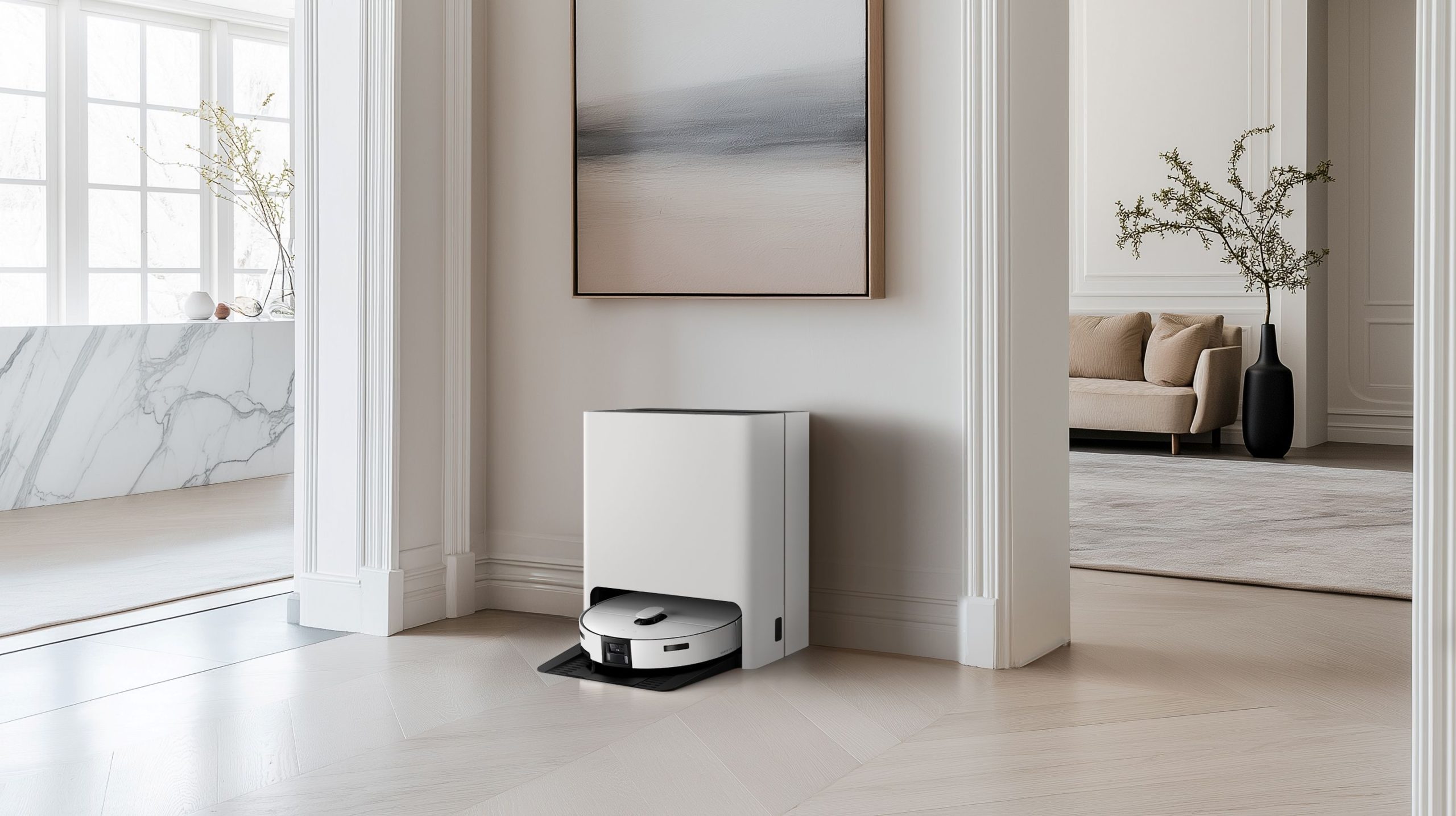
Powered by a Qualcomm Dragonwing™ processor and featuring an Active Stereo 3D Sensor, this robot vacuum recognizes liquids (coffee, juice, even transparent water) and cleans them appropriately. Its camera enables navigation but also serves as a monitoring device when you’re away—checking on pets, alerting you to suspicious activity.
With a smarter Bixby integration, you can speak conversationally to direct the vacuum: “Clean up the spill in the kitchen” or “Check if the dog is okay” work just as well as technical commands.
Real-World Impact: The Hartford Steam Boiler Partnership
Here’s where Samsung’s ecosystem delivers tangible financial benefits beyond convenience: through a partnership with Hartford Steam Boiler (HSB), having smart appliances connected to SmartThings can reduce home insurance premiums. After a successful 2025 pilot program in the United States, the collaboration is expanding to more states and international regions.
This is the AI era at its best—increased protections and reduced costs for users.

Care Companion
From Reactive Treatment to Proactive Wellness
Redefining Healthcare as Preventive, Not Responsive
Praveen Raja, Vice President and Head of Digital Health at Samsung Research America, introduced perhaps the most profound element of Samsung’s AI Living vision: intelligent care that shifts from reactive need to proactive opportunity.
The traditional healthcare model waits for problems to emerge, then treats them. Samsung envisions a future where your devices—phones, appliances, wearables, connected ecosystem—help prevent health concerns before they occur.
Personalized Health Coaching
Imagine receiving effective exercise and sleep coaching specifically designed to decrease your risk for major chronic diseases. Not generic advice—personalized guidance based on your specific patterns, history, and needs.
Samsung’s integrated ecosystem can suggest appropriate recipes based on ingredients in your connected refrigerator and your health goals. If you’re managing diabetes, the Family Hub won’t just suggest recipes—it will suggest recipes that align with your dietary requirements while still being delicious and practical.
Early Detection and Professional Integration
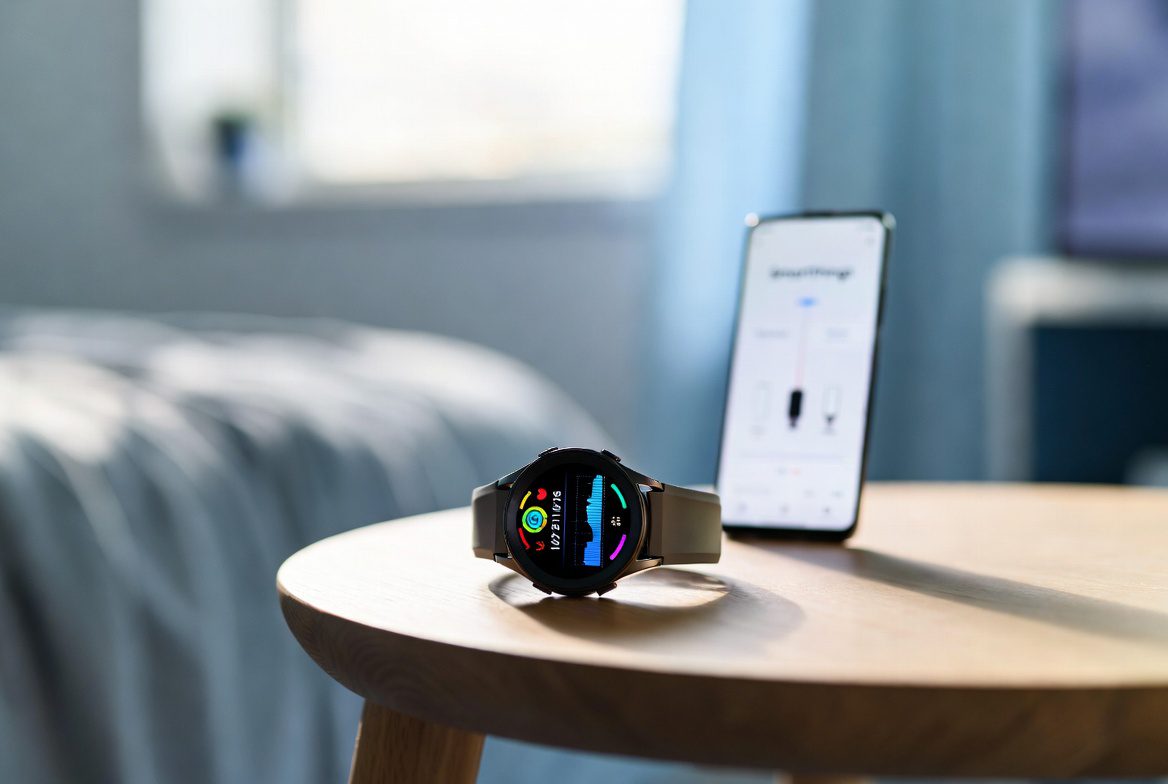
If abnormal signs or patterns are detected across your devices—changes in sleep quality, irregular activity patterns, concerning vital signs—the system alerts you while allowing health metrics to be shared with healthcare providers via the Xealth platform, facilitating virtual professional consultations.
Samsung is also expanding capabilities in dementia detection through research partnerships, with wearable devices registering subtle changes to mobility, speech, and engagement that can indicate long-term cognitive changes. Early detection of cognitive decline can dramatically improve outcomes and quality of life.
Security as Foundation: Knox and Knox Matrix
None of this personalized health monitoring would be acceptable without ironclad security. Samsung Knox and Knox Matrix serve as the foundation, safeguarding user data at every turn. As AI evolves, so do these security systems—constantly identifying AI risks, advancing to protect data in AI training processes, and approving models through red team analysis.
Your most intimate health data remains yours, protected by enterprise-grade security adapted for consumer use.
Samsung Technology Foundation
What Makes This Possible
Tizen OS: Seven Years of Evolution
At the center of Samsung’s display innovations is Tizen OS—now offering seven years of upgrades. This commitment ensures your television continues evolving long after purchase, receiving new features, security updates, and performance improvements.
In an industry notorious for abandoning products after two or three years, Samsung’s seven-year commitment represents genuine respect for customer investment.
HDR10+ ADVANCED and Eclipsa Audio
Samsung’s 2026 TV lineup supports HDR10+ ADVANCED, delivering enhanced brightness, genre-based optimization, intelligent motion smoothing, advanced local tone mapping, and improved gaming experience. As major OTT providers adopt HDR10+, Samsung is the first to launch HDR10+ ADVANCED.
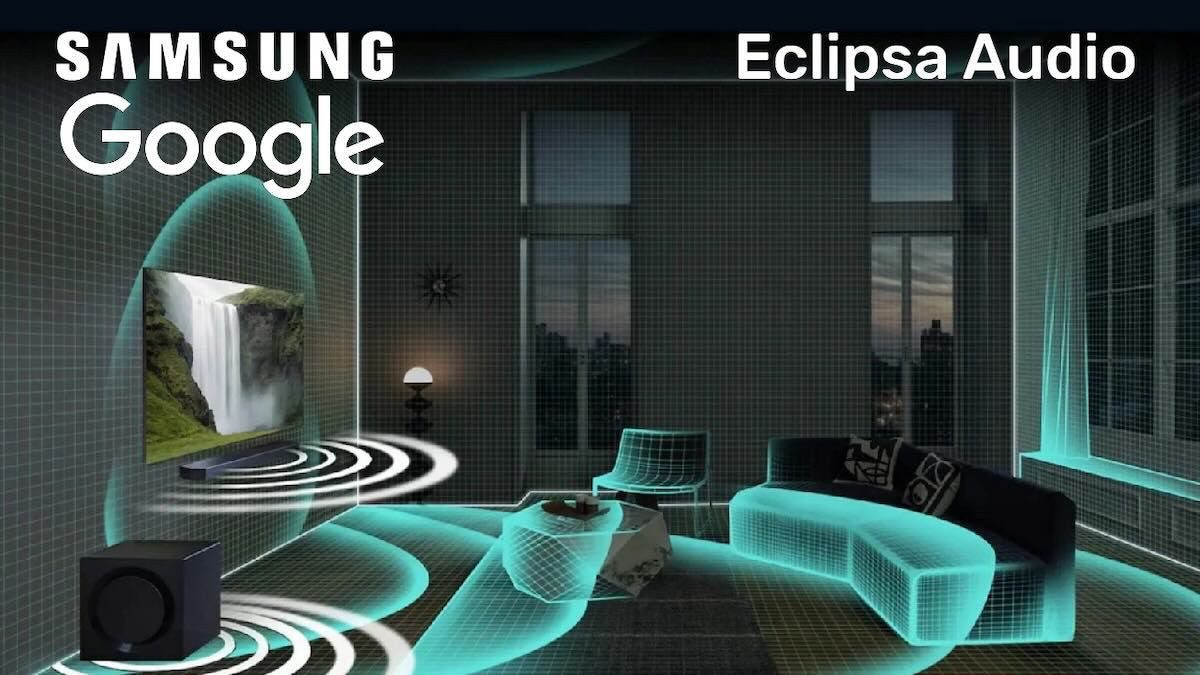
Eclipsa Audio—Samsung’s new spatial sound system—appears across all 2026 televisions, creating immersive three-dimensional audio that matches the visual excellence of the displays.
Odyssey Gaming Monitors: World-First Display Technologies
The 2026 Odyssey lineup includes five new models pushing boundaries of resolution, refresh rate, and visual performance. Led by Samsung’s first 6K 3D Odyssey G9, these monitors debut world-first display technologies for gamers and creators, including next-generation Odyssey G6 and three new Odyssey G8 models.
Music Studio 5 and 7: Expanding the Audio Ecosystem
Samsung has led the global soundbar market for 11 consecutive years. The new WiFi speakers—Music Studio 5 and 7—expand the integrated ecosystem with wider sound system combinations, enhanced audiovisual quality, and aesthetics designed by renowned designer Erwan Bouroullec, inspired by universal symbols in music and art.

Comparative Analysis: How Samsung Stands Against the Competition
Display Technology Comparison
Smart Appliance Ecosystem Comparison
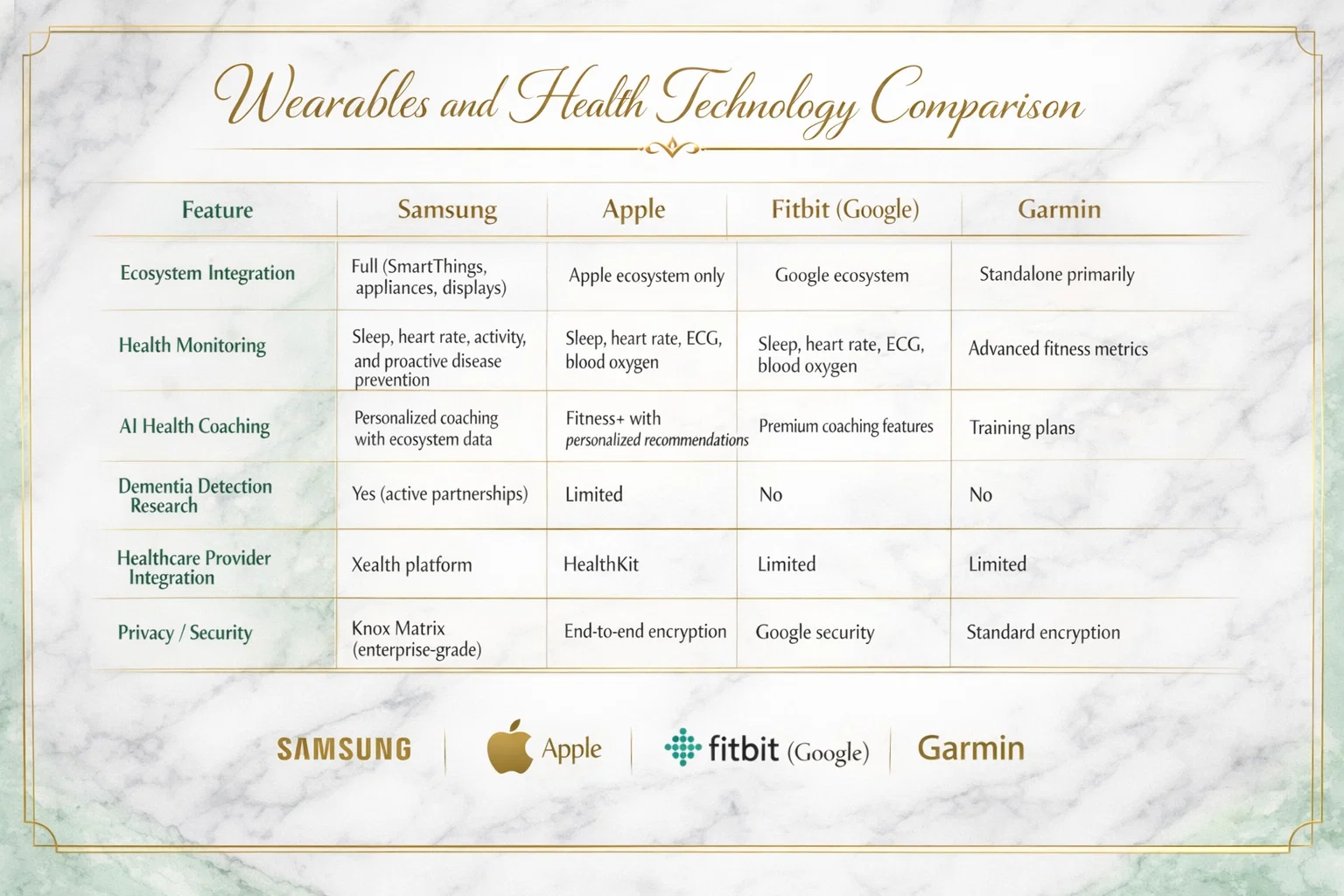
Wearables and Health Technology Comparison
Overcoming Challenges
The Fragmentation Problem
For years, smart homes meant installing dozens of apps, learning different interfaces, and hoping devices from different manufacturers could communicate. Samsung solved this through SmartThings—one platform, 430 million users, universal compatibility.
The Privacy Paradox
How do you create deeply personalized experiences without compromising privacy? Samsung Knox and Knox Matrix provide enterprise-grade security for consumer devices, with transparent data handling, user control, and red team testing of AI models.
The “Dumb” Smart Home Problem
Early smart homes could follow commands but couldn’t understand context. Samsung’s AI integration across categories means devices don’t just respond—they anticipate, adapt, and learn.
The Maintenance Burden
Smart devices historically became obsolete quickly, requiring replacement every few years. Samsung’s seven-year update commitment for Tizen OS ensures your investment remains current and secure.
The Healthcare Gap
Wearables collect data but rarely translate it into actionable health improvements. Samsung’s integrated approach—combining wearables, appliances, and professional healthcare platforms—creates a true preventative care system.

What This Means for You: Practical Benefits
Time Savings
The average person spends 2.5 hours per week on meal planning and grocery shopping. Samsung’s AI Vision and SmartThings Food can reduce this by 60% through intelligent inventory management and one-tap recipe implementation.
Financial Benefits
Insurance premium reductions through HSB partnership (average 5-10% savings reported in pilot program)
Reduced food waste through intelligent expiration tracking (estimated $1,500+ annually per household)
Energy efficiency improvements across connected appliances (10-15% utility cost reduction)
Health Improvements
Earlier detection of health concerns through continuous monitoring
Improved sleep quality through ecosystem-wide optimization
Reduced stress through elimination of daily friction points
Better nutrition through personalized recipe recommendations aligned with health goals
Quality of Life Enhancements
More time for family and personal pursuits
Reduced decision fatigue through intelligent suggestions
Enhanced entertainment experiences that feel truly personalized
Home environments that adapt to your needs rather than requiring you to adapt to them
Frequently Asked Questions (FAQ)
Q1: Is Samsung’s AI Living ecosystem compatible with devices I already own from other brands?
A: Yes, SmartThings supports over 300 brands and thousands of devices through industry-standard protocols like Zigbee, Z-Wave, and Matter. While you’ll get the deepest integration with Samsung devices, your existing smart home investments aren’t wasted.
Q2: How does Samsung protect my privacy when AI is analyzing my food, viewing habits, and health data?
A: Samsung Knox and Knox Matrix provide enterprise-grade security with several key protections: data is encrypted end-to-end, AI processing happens on-device whenever possible (reducing cloud data transmission), you control what data is shared and with whom, and all AI models undergo red team analysis before deployment. Additionally, Family Hub’s camera automatically blurs everything except food items, protecting your privacy even during internal refrigerator scans.
Q3: What happens to my devices after the seven-year Tizen OS update commitment ends?
A: Your devices continue functioning normally—they simply won’t receive new feature updates or security patches after seven years. However, Samsung has indicated they’re evaluating even longer support periods as device longevity increases. Seven years currently exceeds industry standards by 2-4 years.
Q4: Can I opt out of AI features if I prefer manual control?
A: Absolutely. Every AI feature can be disabled individually or system-wide through SmartThings settings. Samsung’s philosophy is “AI when helpful, manual when preferred”—the technology should serve you, not dictate your behavior.
Q5: How accurate is the Family Hub’s food recognition with AI Vision?
A: In Samsung’s internal testing, AI Vision achieves approximately 90% accuracy on common food items, with continuous improvement through model updates. If an item isn’t recognized, it’s listed as “unknown,” and you can manually identify it, helping train the system. Accuracy may vary with unusual packaging, overlapping items, or freezer contents (which AI Vision cannot currently scan).
Q6: What’s the real-world energy consumption difference between Samsung’s AI appliances and traditional appliances?
A: Samsung’s AI appliances typically use 10-15% less energy than standard models through intelligent operation optimization—washing machines adjust water temperature and cycle length based on actual load composition, refrigerators optimize compressor operation based on usage patterns, and robot vacuums use efficient cleaning paths. The Bespoke AI Laundry Combo specifically earned the ENERGY STAR Most Efficient 2025 designation.
Q7: Does the Vision AI Companion (VAC) on TVs require a subscription?
A: No. VAC’s core features—voice control, content recommendations, recipe finding, and ecosystem integration—are included with purchase. However, some third-party services accessible through VAC (streaming platforms, specialized apps) may require their own subscriptions.
Q8: How does Samsung’s health monitoring compare to dedicated medical devices?
A: Samsung’s consumer health monitoring is designed for wellness tracking and early warning signs, not diagnosis. While the sensors are increasingly accurate (Galaxy Watch heart rate monitoring is within ±2% of chest strap monitors in studies), they’re not FDA-cleared medical devices. However, the Xealth platform integration allows healthcare providers to use Samsung data as a supplementary monitoring tool during treatment.
Q9: What happens if my internet goes down—do all these connected devices stop working?
A: No. Samsung devices default to local operation when internet connectivity is lost. Your refrigerator still refrigerates, your TV still plays local content or antenna channels, and your washer still washes clothes. However, remote access, cloud-based AI features, and cross-device automation require internet connectivity to function. Devices store recent commands and can queue actions for when connectivity returns.
Q10: Can I control the level of AI intervention—like making it suggest less frequently or only in specific contexts?
A: Yes, through SmartThings, you can set “AI aggressiveness levels” for each device or feature. For example, you might want proactive health alerts but prefer to discover entertainment manually. Samsung calls this “contextual intelligence customization,” allowing you to decide where AI adds value and where you prefer traditional interaction.
Q11: How does the Hartford Steam Boiler insurance discount actually work?
A: When your Samsung appliances are connected to SmartThings, they can detect and alert you to potential issues (water leaks from washing machines, unusual refrigerator temperatures, etc.) before they cause significant damage. HSB and participating insurers recognize this reduced risk and offer premium discounts, typically 5-10%, depending on the number of connected devices and your coverage. The pilot program showed 27% fewer catastrophic appliance failures among participants.
Q12: What languages do Voice ID and Bixby support across the ecosystem?
A: As of 2026, Voice ID and Bixby recognize English (US, UK, India), Spanish (Mexico, Spain), French, German, Italian, Portuguese (Brazil), and Korean. Samsung is actively expanding language support, with Mandarin Chinese, Japanese, and Arabic expected in 2026 updates. However, recognition accuracy varies by accent and dialect—Samsung continues training models for broader linguistic diversity.
Q13: If I start with just one or two Samsung devices, can I expand the ecosystem gradually?
A: Yes, this is Samsung’s recommended approach. SmartThings works with single devices or hundreds. Many users start with a Family Hub refrigerator or a Samsung TV, then gradually add appliances, wearables, and other devices as they experience the benefits. The ecosystem becomes more valuable with each addition, but there’s no minimum requirement.
Q14: How does Samsung’s approach to AI differ philosophically from competitors like Apple or Google?
A: While Apple focuses on privacy-first AI within their closed ecosystem and Google emphasizes cloud-based AI intelligence with broad compatibility, Samsung positions itself as the “open premium” approach—enterprise-grade security (like Apple), ecosystem flexibility (like Google), but with the widest range of product categories (appliances, displays, mobile, wearables) creating unique cross-category experiences neither competitor can fully match.
Q15: What’s Samsung’s environmental commitment regarding all these electronic devices?
A: Samsung has committed to carbon neutrality across itsentire mobile division by 2030 and company-wide by 2050. Specifically for the products announced at CES 2026: packaging uses 100% recycled materials, devices incorporate recycled plastics and metals, the seven-year update commitment extends device lifespan significantly, and Samsung offers free recycling programs in 60+ countries. They’ve also reduced energy consumption by 30% across their 2026 appliance lineup compared to 2021 models.

Beyond Smart Homes
Samsung’s AI Living Ecosystem
We stand at an inflection point in human-technology relationships. For the first fifty years of consumer electronics, we’ve been learning the language of machines—memorizing commands, adapting our behavior, tolerating frustration when technology couldn’t understand us.
Samsung’s vision for AI Living represents the beginning of a new era: machines learning the language of humanity.
This isn’t about adding features. It’s about removing friction. It’s about technology that notices you’re stressed and adjusts your environment to help you relax. It’s about a refrigerator that understands “I don’t know what to make” is a cry for help after a long day, not a request for random recipes. It’s about devices that protect your health, not by demanding attention, but by quietly monitoring, learning, caring.
The 430 million people already using SmartThings aren’t just customers—they’re pioneers in a new way of living where technology serves rather than demands, where artificial intelligence amplifies human potential rather than replacing human judgment, where your home becomes not a collection of gadgets but a supportive companion through every moment of your life.
This is Samsung’s gift to the world: the promise that technology can be simultaneously powerful and gentle, intelligent and humble, connected and secure.
The AI Living era has begun. And it begins with understanding that the best technology is the kind you barely notice—because it’s too busy making your life better, one small moment at a time.
