
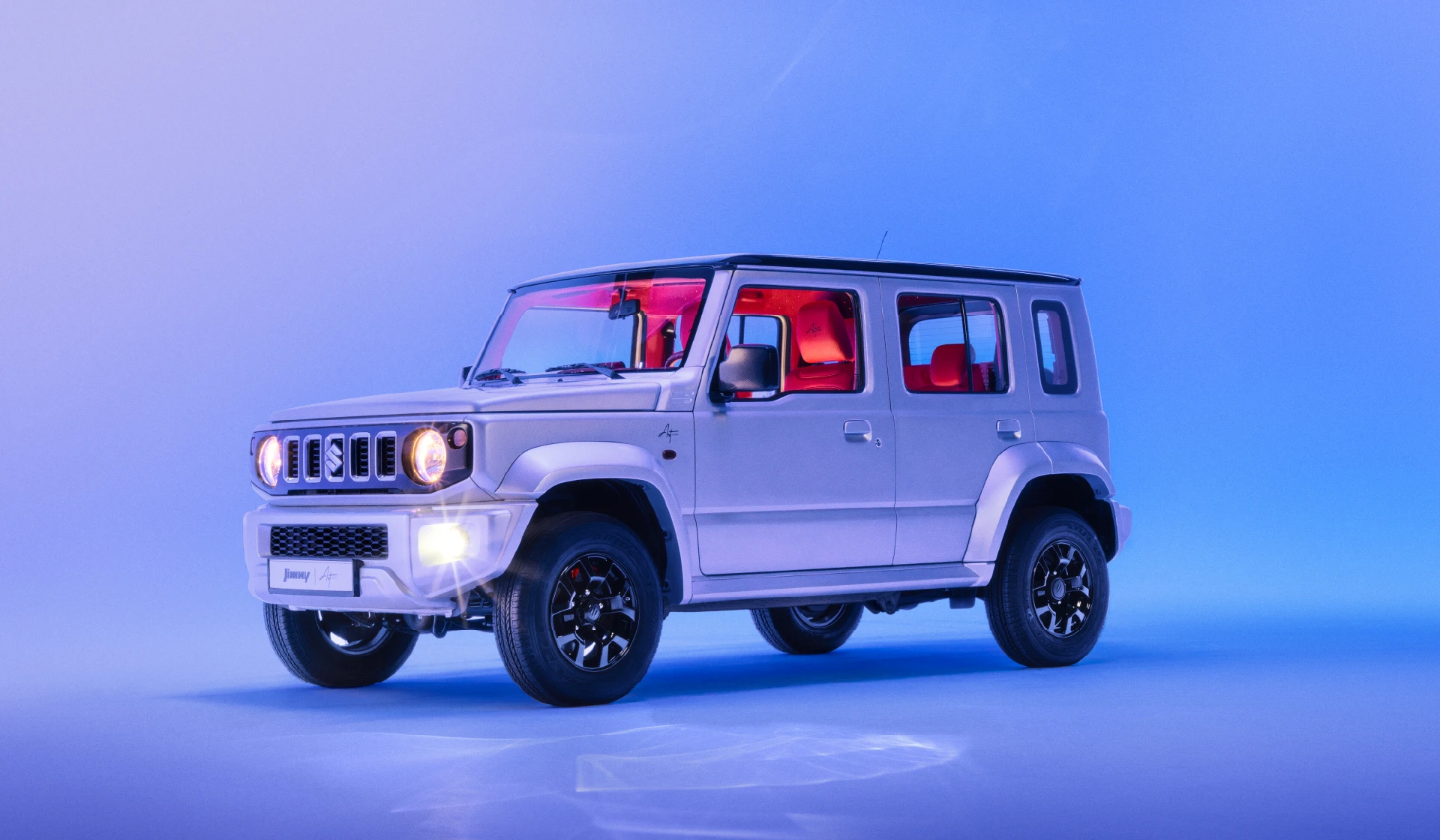
Suzuki Jimny Art Edition
Redefined Automotive Personalization
There’s a moment every car enthusiast knows intimately—that split second when you see a vehicle on the road and think, “That’s exactly how I would have done it.” Not the factory version. Not the dealer-spec compromise. But something uniquely, unmistakably yours.
For decades, that moment existed only in imagination or required expensive aftermarket modifications that voided warranties, compromised safety standards, and left owners navigating a maze of unauthorized workshops and questionable parts. The automotive industry had created a paradox: sell customers on the dream of individual expression, then deliver them cookie-cutter configurations in predictable color palettes.
Until December 15, 2025, when Al Rostamani Trading Company (ARTC) tore up that playbook entirely.
The Suzuki Jimny Art Edition isn’t just another special edition vehicle with cosmetic upgrades and a commemorative badge. It represents something far more profound: the first time a major automotive distributor in the UAE has developed, designed, and executed a fully localized, manufacturer-approved customization program that treats personalization not as an afterthought, but as the entire point.
This is the story of how a company founded in the early 1950s by the late Abdullah Hassan Al Rostamani became the architect of automotive individualism in the Middle East. And why that matters far beyond the showroom floor.
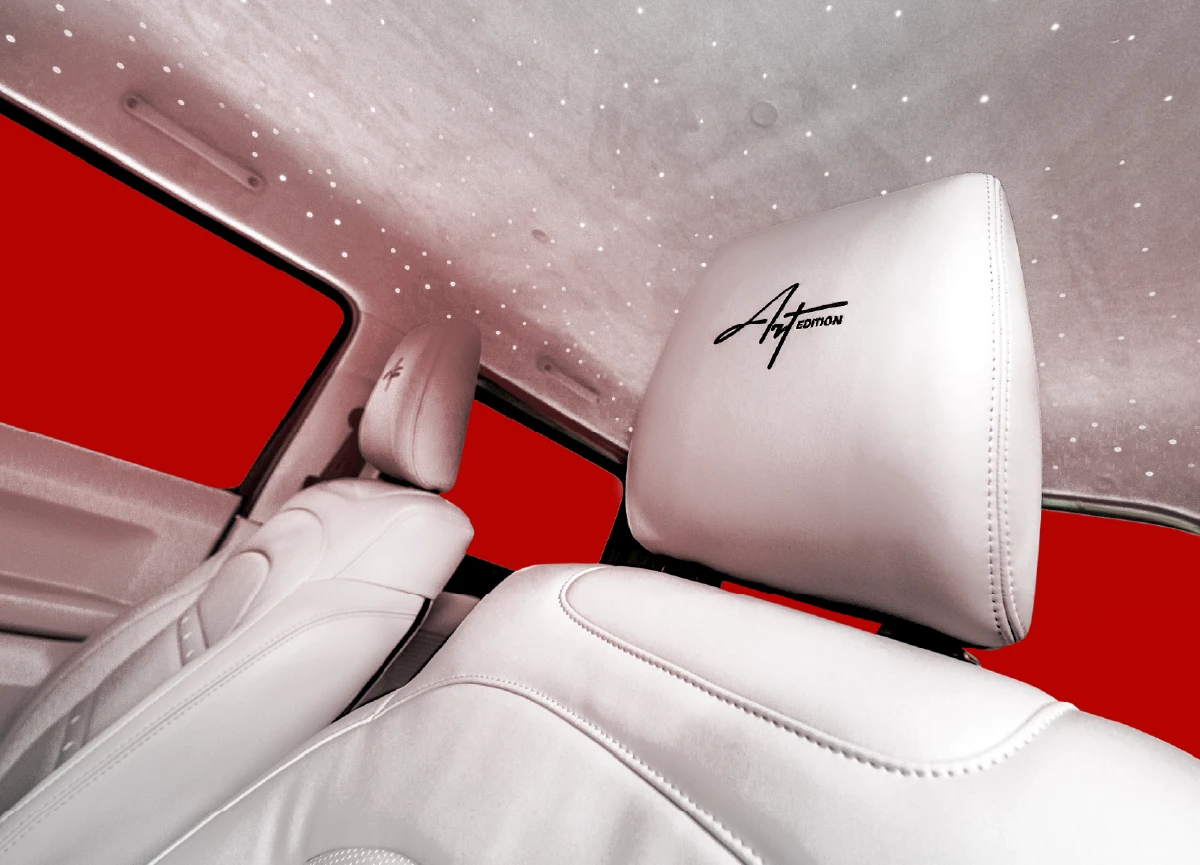
ART Edition Interiors White
The Al Rostamani Legacy: Seven Decades of Seeing What Others Missed
From Vision to Vehicles: The Journey of a Trading Empire
When Abdullah Hassan Al Rostamani established his trading operations in the early 1950s, Dubai was still decades away from becoming the global metropolis we recognize today. The discovery of oil was years in the future. The vision to transform desert into destination existed only in the minds of a few pioneering leaders.
Al Rostamani was one of those visionaries.
What began as a trading company during the pre-oil era evolved into one of the UAE’s most diversified business groups—spanning automotive distribution, luxury retail, technology solutions, real estate, and industrial services. But the thread connecting every venture has remained consistent: anticipating customer needs before customers themselves fully articulate them.
The Al Rostamani Group didn’t just respond to market demand; it shaped it. When the UAE’s automotive market was still finding its identity, the Group became the authorized distributor for Suzuki and Citroën through ARTC in 2002, recognizing that both brands offered something the market increasingly craved: character, capability, and value in equal measure.
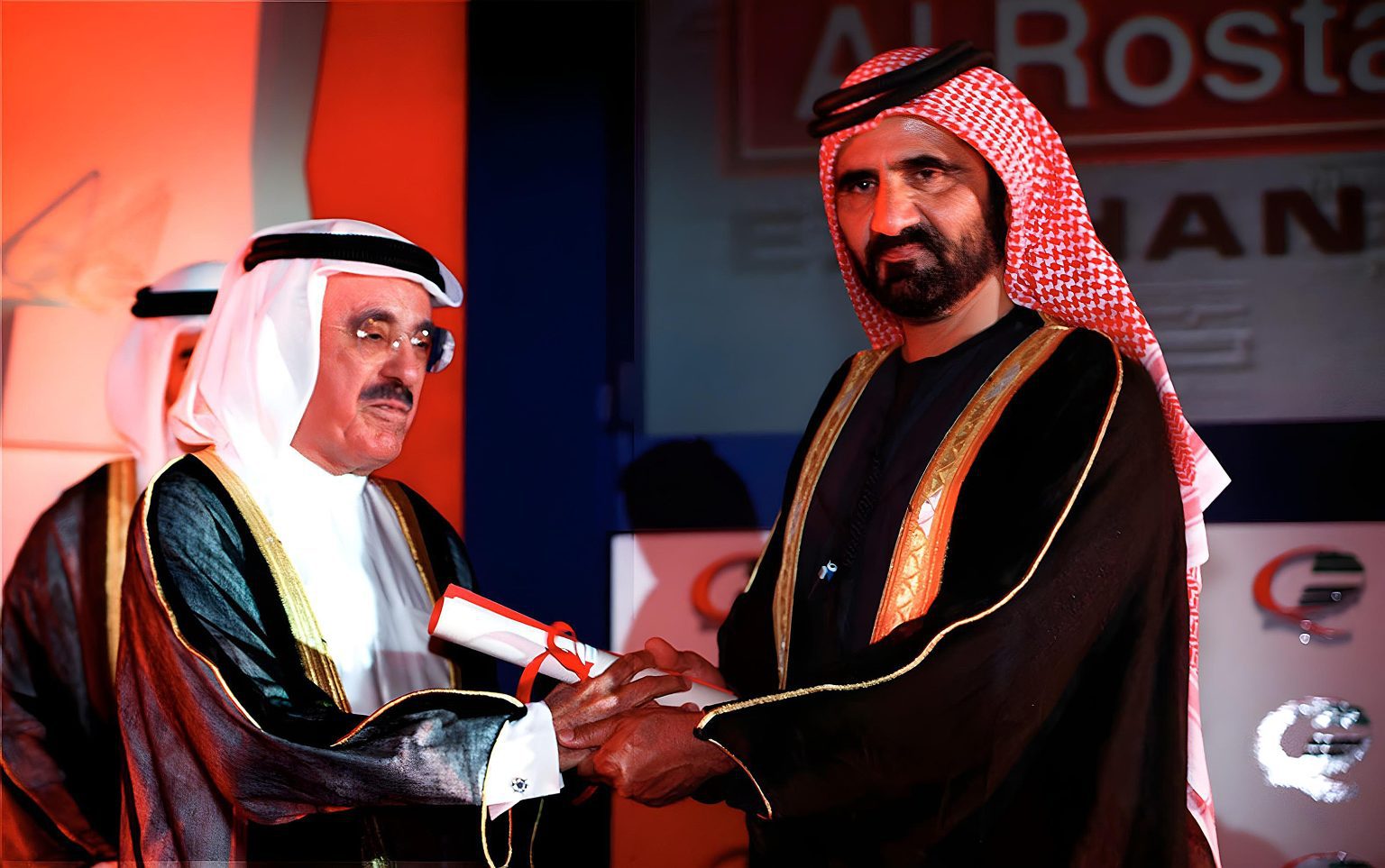
Abdulla Hassan Al Rostamani
Founder of Al Rostamani Groupds
Leadership Philosophy: Customer-Centricity as Corporate DNA
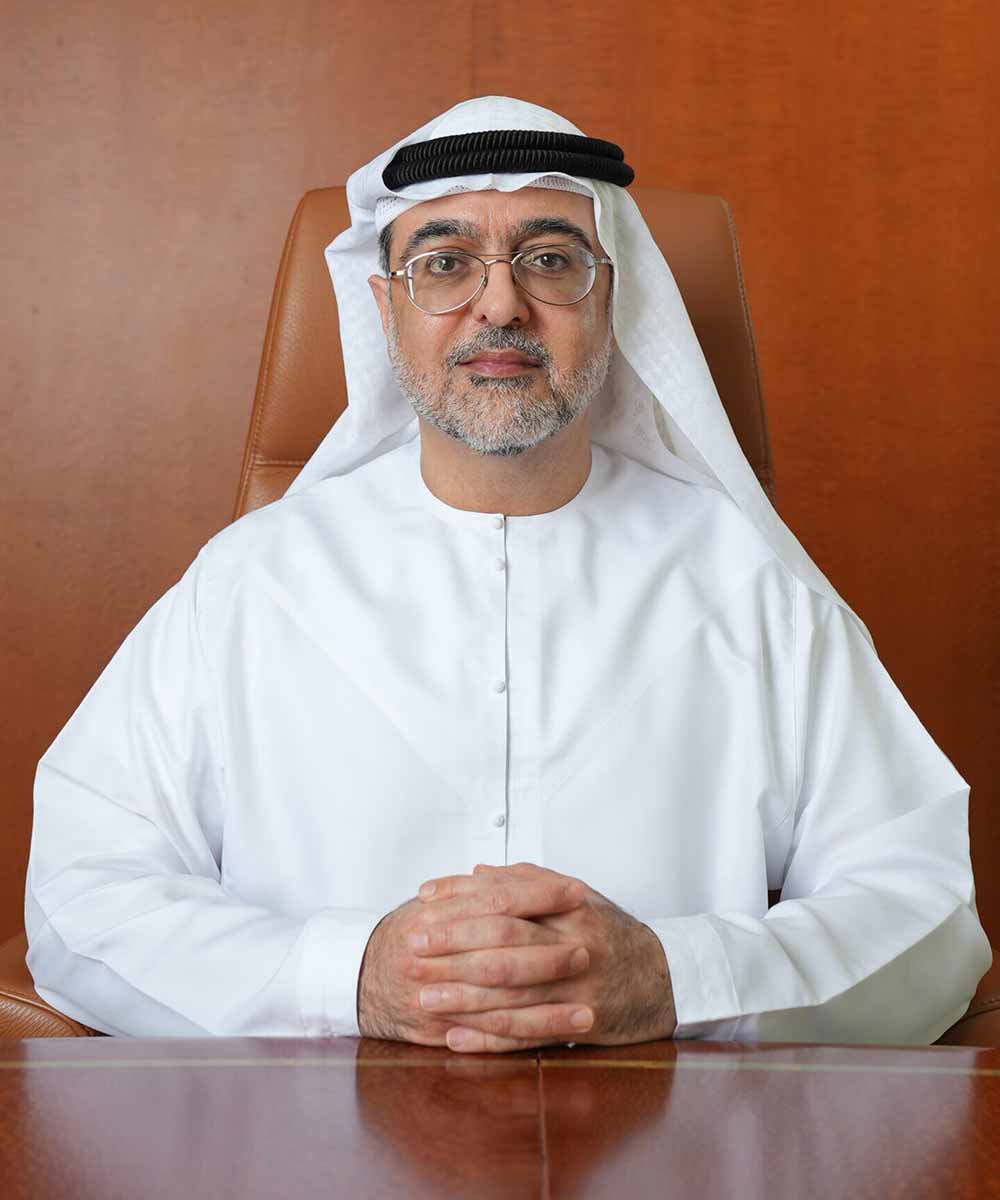
Under the leadership of figures like Sasha Askidgian, General Manager of Al Rostamani Trading Company, ARTC has developed a reputation for understanding not just what customers buy, but why they buy it. This distinction might seem semantic, but it’s transformative.
“We don’t sell transportation,” Askidgian explains in the context of the Jimny Art Edition launch. “We provide the tools for people to express who they are, where they’re going, and what matters to them. Every color tells a story. Every interior choice reflects a lifestyle. Every customization decision is an act of self-definition.”
This philosophy permeates every level of ARTC operations—from the eight showrooms and service centers across the UAE to the certified modification facilities where the Art Edition vehicles are meticulously assembled. It’s a customer-first approach that treats automotive retail not as a transactional industry but as a creative partnership.

The Jimny Phenomenon
From Japanese Engineering to Global Obsession
The Suzuki Jimny’s origin story reads like automotive folklore. First introduced in 1970 as the “LJ10” (Light Jeep 10), this compact 4×4 was Suzuki’s answer to a simple question: could genuine off-road capability be delivered in a package small enough for crowded urban streets and affordable enough for average buyers?
The answer, five decades and four generations later, is a resounding yes.
The current fourth-generation Jimny, launched globally in 2018, became an unexpected phenomenon. Despite its modest dimensions (just 3,645mm long—shorter than most sedans), the Jimny offers genuine ladder-frame construction, three-link rigid axles with coil spring suspension, and Suzuki’s AllGrip Pro 4WD system with low-range transfer case. These aren’t compromises or marketing terms. They’re the same fundamental technologies that underpin vehicles costing five times as much.
But technical capability alone doesn’t explain the Jimny’s cultural resonance. In markets from Europe to Asia, the Jimny developed waiting lists that stretched years. Customers didn’t just want it—they craved it. Why?

The Jimny Phenomenon
The Authenticity Economy: Why Character Beats Complexity
In an automotive landscape increasingly dominated by electrification, autonomous driving assists, and vehicles that feel more like computers on wheels, the Jimny represents something revolutionary by being resolutely traditional. It’s mechanically simple, delightfully analog, and refreshingly honest about what it is: a tool designed to take you places other vehicles can’t, without pretending to be a luxury limousine along the way.
This authenticity resonates particularly strongly in the UAE market, where extreme off-road capability isn’t a theoretical nice-to-have—it’s a practical necessity for weekend adventures, desert camps, and exploring terrain that would leave conventional SUVs stranded.
Yet even as the Jimny delivered capability, it left one question unanswered: How can this vehicle reflect my individual taste?
The factory offered limited color options and trim levels. The aftermarket provided modifications but at the cost of warranties and safety certification. The gap between capability and customization remained frustratingly wide.
Enter the Art Edition.
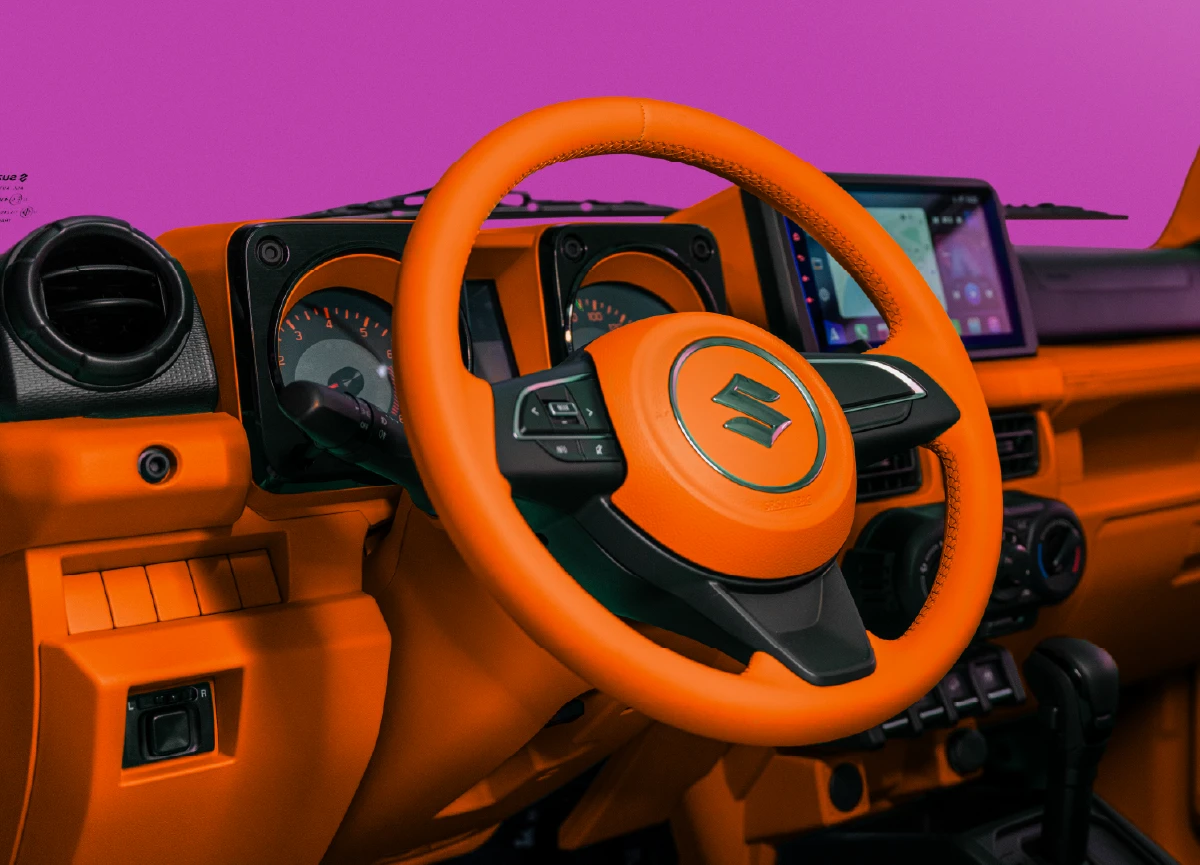
jimny art edition interiors orange
Jimny Art Edition Reimagines Automotive Personalization
The Concept: What If the Showroom Was the Workshop?
The Jimny Art Edition began with a deceptively simple idea: What if customers could get factory-quality, warranty-covered customization directly from the authorized dealer?
This concept required threading a remarkably difficult needle. Aftermarket modifications are easy to obtain but often void warranties and lack manufacturer certification. Factory special editions maintain quality and warranty coverage but rarely offer genuine personalization—they’re typically limited-run versions with pre-selected feature packages.
ARTC and Suzuki found a third path: a comprehensive customization program where every component is manufacturer-approved, every modification is performed in certified facilities, and every customization maintains full warranty coverage.
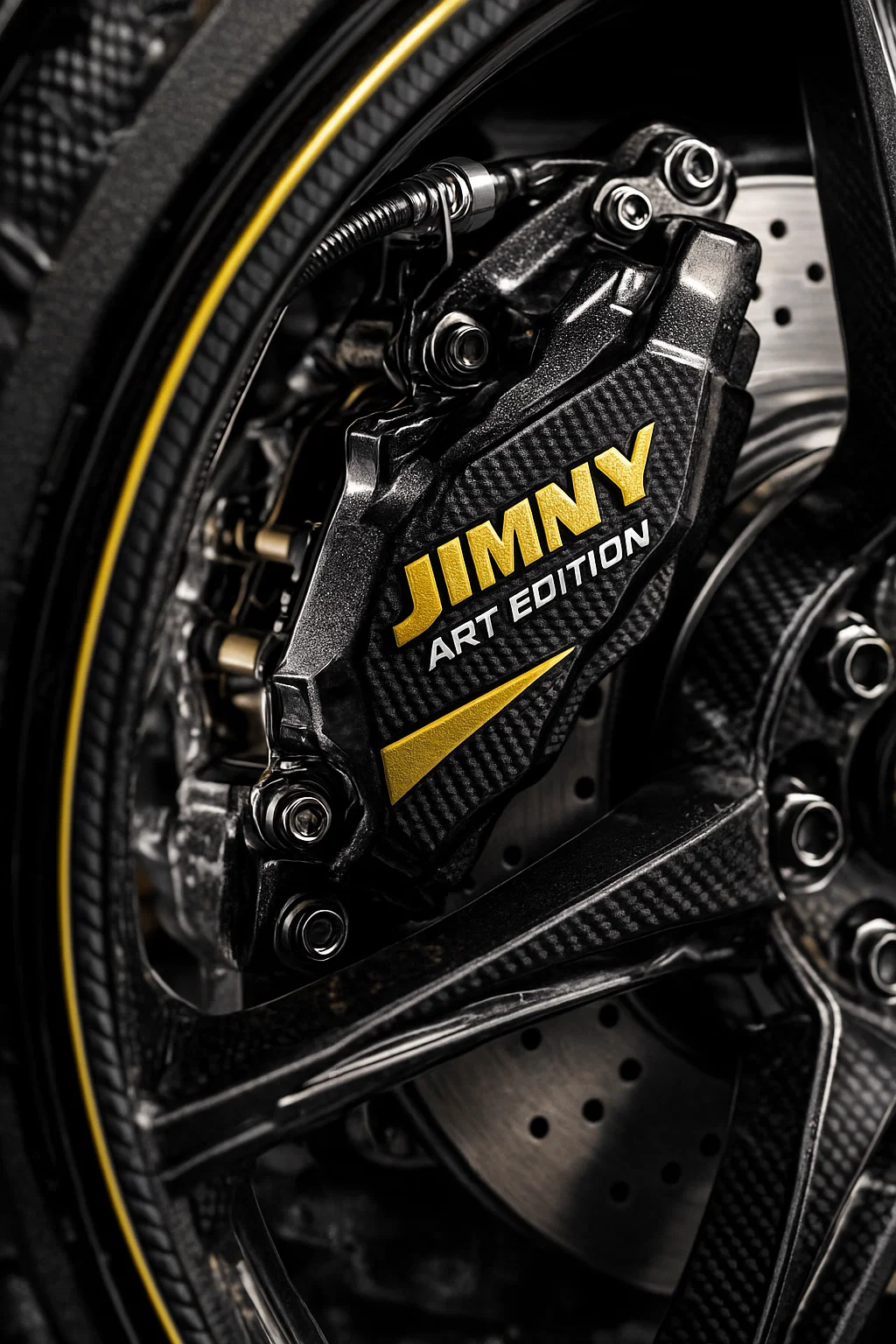
The result is six distinct interior themes featuring Alcantara upholstery, ambient roof lighting systems, custom brake caliper designs, carbon-fiber-inspired exterior elements, and multiple wheel design options—all installed locally in ARTC’s authorized modification facilities.
ARTC Suzuki UAE
The Innovation: Design Democracy Meets Manufacturing Excellence
What makes the Art Edition genuinely innovative isn’t any single feature—it’s the system that makes those features possible while maintaining quality, safety, and warranty standards.
The Research & Development Journey
Creating the Art Edition required ARTC to essentially build a new business capability: becoming automotive designers and manufacturing coordinators simultaneously. This meant:
Material Science: Sourcing Alcantara suppliers who could deliver consistent quality in the UAE’s extreme climate conditions (summer temperatures regularly exceed 45°C/113°F)
Lighting Engineering: Developing ambient roof lighting systems that integrate with the Jimny’s existing electrical architecture without creating failure points or draining the battery
Structural Analysis: Ensuring wheel and exterior modifications maintain the vehicle’s off-road capability and safety standards during desert driving conditions
Supply Chain Coordination: Creating a logistics system that sources manufacturer-approved components internationally while maintaining delivery timelines for a customizable product
Quality Assurance: Establishing inspection protocols that match Suzuki’s factory standards for locally-installed components
This wasn’t simply selecting parts from a catalog. It required ARTC to develop genuine automotive engineering and manufacturing project management capabilities—skills more commonly associated with automakers themselves than distributors.
The Execution: Local Assembly, Global Standards
Every Art Edition Jimny begins as a standard vehicle delivered from Suzuki’s manufacturing facilities. It then enters ARTC’s certified modification facility where technicians trained to manufacturer specifications perform the customization work.
This hybrid model offers several advantages:
Warranty Integrity: Because modifications are manufacturer-approved and performed by certified technicians, the full Suzuki warranty remains intact
Quality Control: ARTC applies the same inspection standards as the factory, ensuring no compromises in safety or durability
Customization Flexibility: Unlike pre-configured special editions, customers can select their preferred combination of interior themes, exterior elements, and wheel designs
Local Economic Impact: By performing assembly in the UAE, ARTC contributes to local manufacturing capabilities and technical expertise development
It’s a model that could fundamentally change how automotive customization works—not just for Suzuki, but for the entire industry.
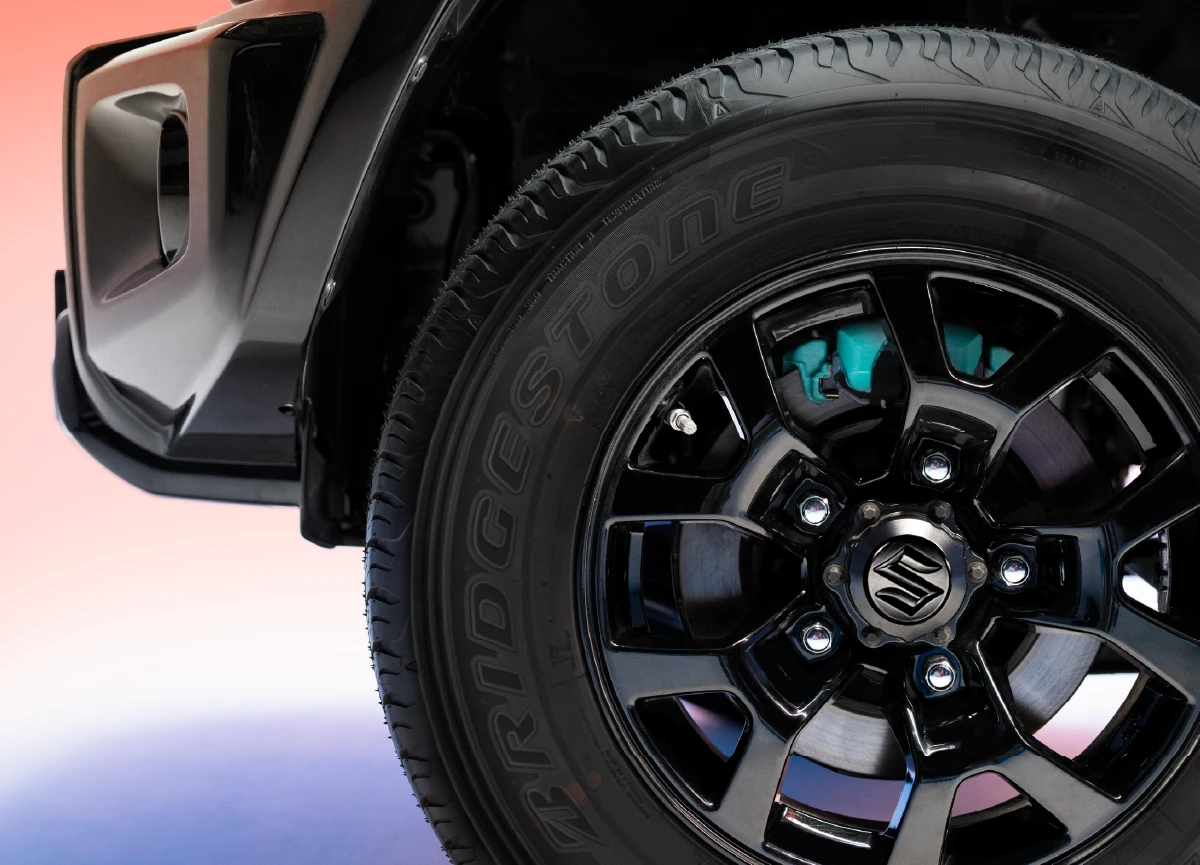
jimny art edition wheel
The Six Personalities
Understanding the Art Edition Interior Themes
Each Art Edition interior theme was designed not as a color scheme but as a mood—a complete aesthetic statement that transforms the driving environment.
Theme One: “Desert Dawn”
Warm caramel and cream tones inspired by the moment when first light hits the dunes. This palette creates an inviting, earthy atmosphere that feels both luxurious and adventure-ready. The Alcantara’s texture adds tactile richness while remaining practical for sandy, dusty conditions.

Suzuki Jimny Art Edition in the UAE
Theme Two: “Coastal Storm”
Deep ocean blues and slate grays that evoke the UAE’s maritime heritage. This theme appeals to those who see their Jimny as a vessel for coastal exploration—weekends in Fujairah, camping along the Musandam coast, or simply appreciating the sophistication of a well-executed monochromatic interior.
Theme Three: “Urban Pulse”
Bold red accents against black Alcantara create an energetic, contemporary feel. This is the choice for those who want their Jimny to make a statement in city traffic as confidently as it performs in the desert. The high contrast delivers visual impact without overwhelming the compact interior.
Theme Four: “Oasis Serenity”
Sage green and natural beige create a calming, nature-inspired environment. For drivers who view their Jimny as a escape vehicle—a way to disconnect from urban intensity and reconnect with landscapes—this palette reinforces that intention with every glance at the interior.
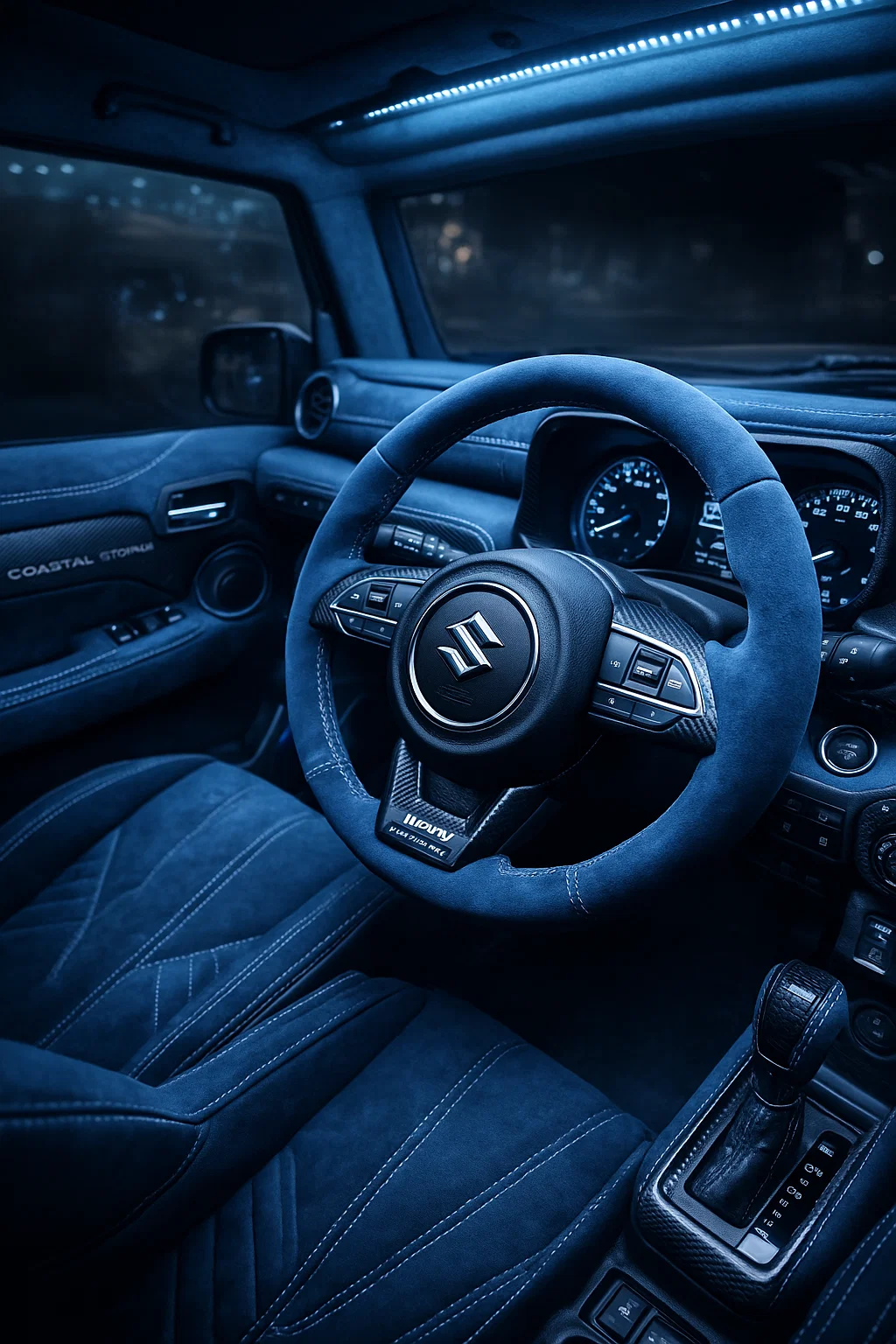
jimny art edition coastal storm blue
Theme Five: “Twilight Mystery”
Deep purple and charcoal create an unexpected, sophisticated atmosphere. This is perhaps the boldest choice—a theme that says “I want my Jimny to challenge expectations of what a compact 4×4 can be.” It’s luxury without pretension, drama without showiness.
Theme Six: “Heritage Pride”
Classic tan and brown tones that reference both Suzuki’s off-road heritage and the UAE’s Bedouin traditions. This timeless combination appeals to those who appreciate that true style doesn’t chase trends—it establishes them.
The genius of offering six themes isn’t just variety for its own sake. It’s recognition that the same vehicle serves radically different purposes for different owners: adventure tool, urban statement piece, weekend escape vehicle, or daily driver with personality.

task 01kcjqynpxfw09z5rp0zbg9yeb 1765860750 img 1
Beyond the Showroom: The Broader Impact of Local Automotive Innovation
Economic Implications: Building Manufacturing Capability
The Art Edition program represents more than automotive retail—it’s a case study in local manufacturing development. By creating certified modification facilities capable of performing complex customization work, ARTC contributes to the UAE’s broader economic diversification goals.
https://ar.sensushosting.com/
The technicians trained to install Art Edition components develop transferable skills applicable to broader automotive manufacturing, assembly, and quality control roles. The supply chain relationships established to source components create pathways for future local manufacturing initiatives.
This aligns directly with the UAE’s vision to evolve beyond petroleum-based economics toward knowledge industries, advanced manufacturing, and creative sectors—what the government frames as the “innovation economy.”
Cultural Significance: Middle Eastern Design Assertiveness
There’s a subtler but equally important dimension to the Art Edition story: it represents Middle Eastern designers and decision-makers asserting their creative vision in an industry long dominated by American, European, and Asian aesthetic traditions.
The Art Edition wasn’t designed in Tokyo, Munich, or Detroit, then localized for the UAE market. It was conceived, designed, and executed in the Emirates, with global standards but local sensibilities. The color palettes reflect this region’s light, landscape, and lifestyle. The feature selection addresses this market’s specific climate challenges and usage patterns.
This creative confidence—the belief that Middle Eastern automotive professionals can design products meeting global quality standards while expressing regional identity—matters beyond cars. It’s part of a broader cultural shift in which the GCC nations position themselves as creative centers, not just consumption markets.
ARTC Suzuki UAE
The Customer Journey
From Transaction to Collaboration
Traditional automotive retail follows a predictable pattern: customer visits showroom, reviews available inventory, negotiates on a specific vehicle that may or may not match their ideal specifications, and compromises on color, features, or trim level because “that’s what’s available.”
The Art Edition inverts this model. The starting point isn’t “What do you have?” but rather “What do you want?” The vehicle becomes a canvas, the customer becomes a designer, and the dealer becomes a collaborator in realizing a personal vision.
This fundamentally changes the emotional relationship customers have with their purchase. It’s no longer a selection from existing options—it’s a creative act. The vehicle becomes more meaningful because it reflects conscious choices rather than accepted compromises.
The Psychology of Choice: Why Personalization Matters
Behavioral economics research consistently demonstrates that when people actively participate in creating something, their satisfaction and attachment increase significantly—a phenomenon called the “IKEA effect” (named after the furniture retailer whose customers assemble their own purchases).
The Art Edition leverages this principle. By making design choices—interior theme, wheel design, exterior elements—customers invest not just money but creative energy in their vehicle. This transforms the car from a purchased product into a personal project.
The result? Higher satisfaction, stronger brand loyalty, and increased likelihood of positive word-of-mouth recommendation—the most valuable marketing currency available.
Overcoming Challenges: The Obstacles to Local Automotive Innovation
Creating the Art Edition required ARTC to solve problems that have stymied larger automotive manufacturers:
Challenge One: Maintaining Warranty Coverage
The Problem: Aftermarket modifications typically void manufacturer warranties, leaving customers without recourse if issues arise.
The Solution: ARTC worked directly with Suzuki to ensure every Art Edition component meets manufacturer approval standards. This required extensive testing, documentation, and coordination between ARTC’s modification facilities and Suzuki’s quality assurance teams.
The Innovation: Creating a precedent for dealer-installed, warranty-covered customization that could serve as a model for other brands and markets.
Challenge Two: Climate Adaptation
The Problem: The UAE’s extreme temperatures, dust storms, and intense UV exposure create material durability challenges that don’t exist in more temperate climates.
The Solution: ARTC couldn’t simply source components designed for European or Asian markets. Materials were specifically tested for heat resistance, UV stability, and dust penetration. Alcantara suppliers were selected based on climate-appropriate treatment processes. Lighting systems were validated for extended operation in high ambient temperatures.
The Innovation: Creating a material specification process that other manufacturers can adopt when developing products for extreme-climate markets.
Challenge Three: Quality Consistency at Scale
The Problem: Customization inherently creates variation, making quality control more complex than standard production.
The Solution: ARTC developed detailed assembly protocols, inspection checklists, and technician training programs that ensure every Art Edition meets identical quality standards regardless of chosen configuration.
The Innovation: Proving that mass customization can maintain mass production quality standards when proper systems are implemented.
Challenge Four: Supply Chain Complexity
The Problem: Offering six interior themes, multiple wheel options, and various exterior elements creates exponential supply chain complexity compared to stocking pre-configured vehicles.
The Solution: ARTC implemented inventory management systems that balance component availability with customer choice, using predictive analytics to forecast demand for specific configurations while maintaining flexibility for unique requests.
The Innovation: Demonstrating that advanced logistics and inventory management can make customization commercially viable at distributor scale.
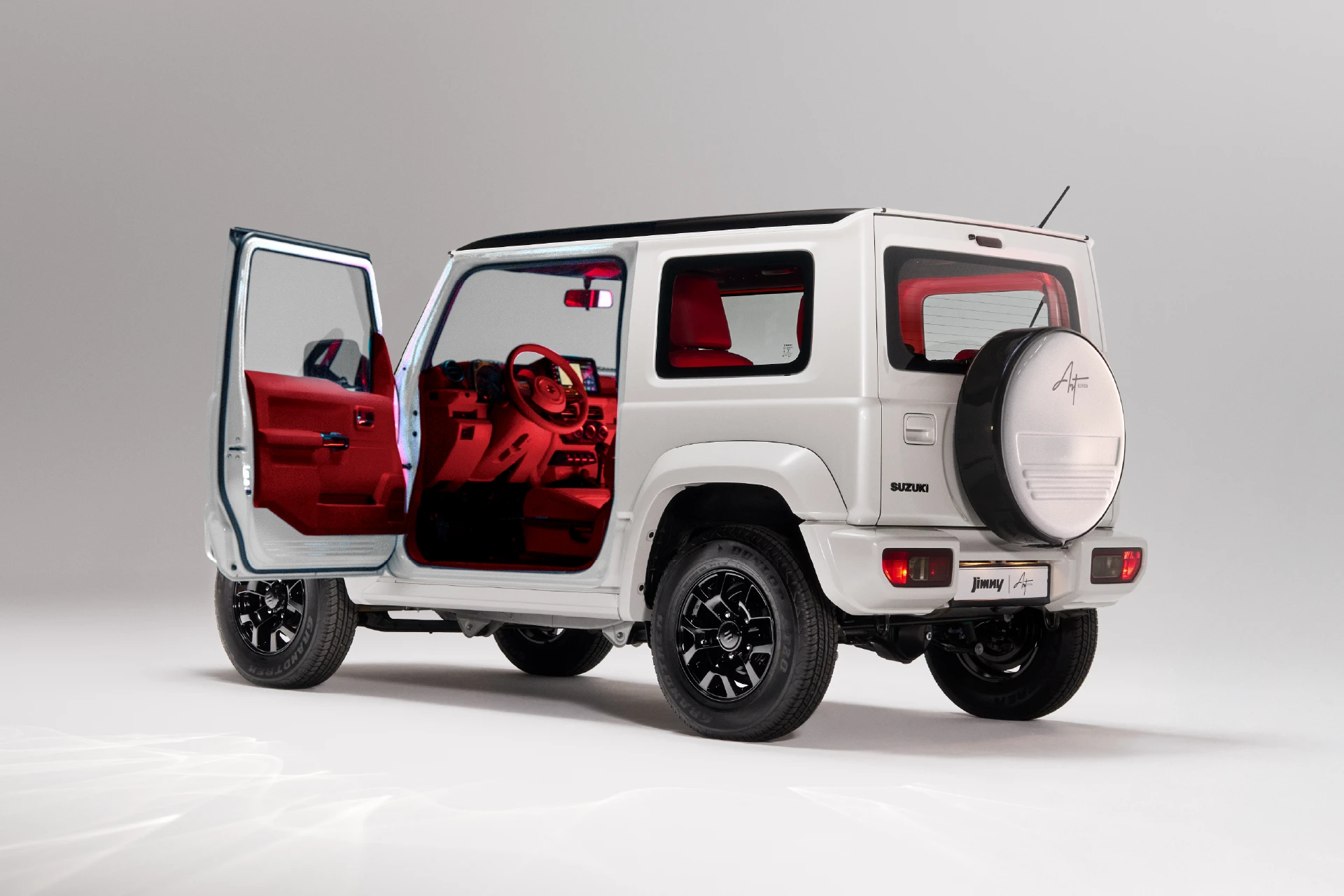
Jimny Art Edition bring customization to the UAE.
The IoT Connection: How Smart Technology Enables Personalization
While the Jimny itself is refreshingly analog, the system that makes Art Edition possible is thoroughly modern, leveraging technologies typically associated with IoT (Internet of Things), AI, and advanced manufacturing.
Digital Design Configuration
ARTC’s showrooms feature digital configurators that allow customers to visualize their chosen Art Edition combination in real-time. This isn’t simply selecting options from a list—it’s seeing how specific interior themes pair with exterior elements and wheel designs, rendered in realistic lighting conditions.
The configurator uses:
3D Modeling: Accurate digital twins of every Art Edition component
Material Rendering: Sophisticated visualization of how Alcantara appears under different lighting
AR Visualization: Potential future capability to project designs onto actual vehicles using augmented reality
Supply Chain Intelligence
Behind the scenes, ARTC uses predictive analytics to optimize component inventory:
Demand Forecasting: AI algorithms analyze configuration patterns to predict which themes and options will be most popular
Inventory Optimization: Just-in-time component ordering that balances availability with storage costs
Quality Tracking: IoT-enabled sensors in storage facilities monitor temperature and humidity to ensure material integrity
Manufacturing Precision
The modification facilities use smart tools and quality control systems:
Torque-Calibrated Tools: Electronic torque wrenches that ensure every fastener meets exact specifications
Inspection Documentation: Digital checklists that photograph each assembly stage, creating a complete record for every vehicle
Traceability Systems: Every component carries traceable identifiers, allowing complete supply chain visibility
This technological infrastructure makes personalization commercially viable—proving that customization doesn’t require sacrificing efficiency when supported by smart systems.
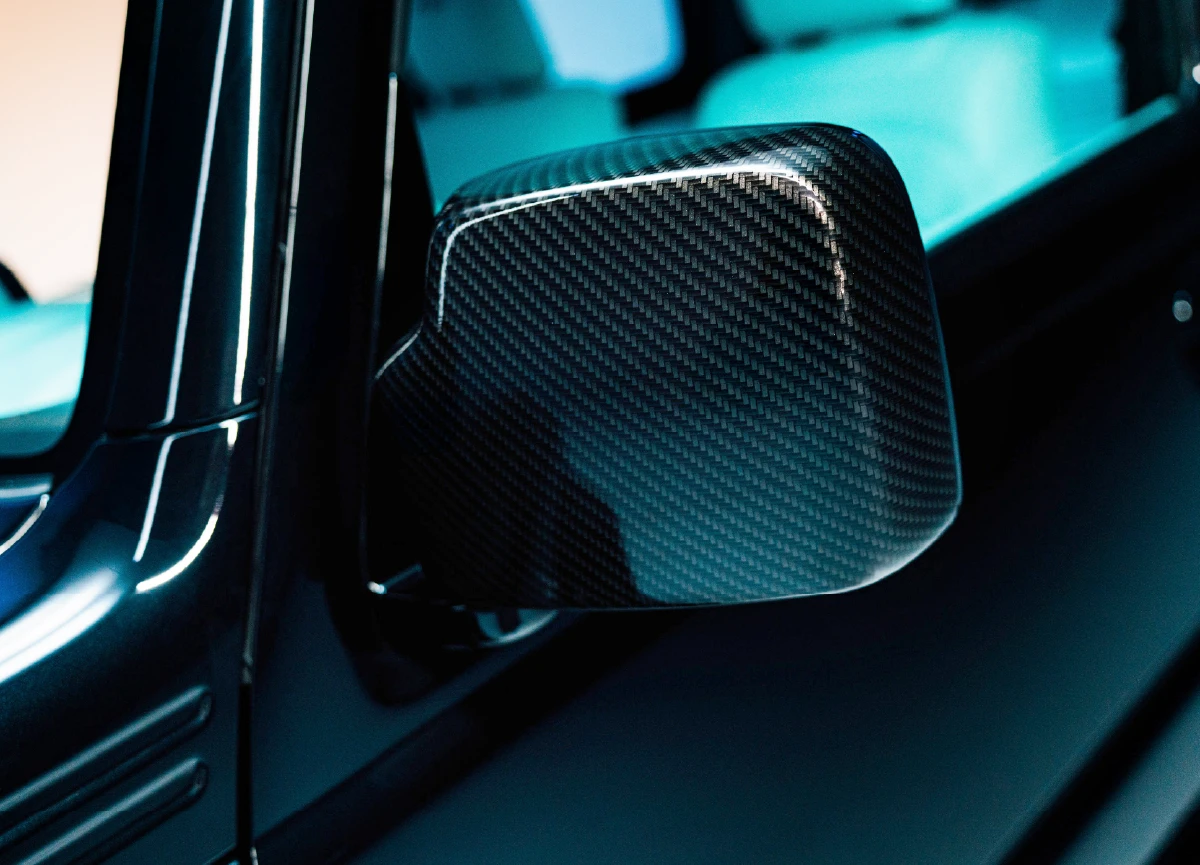
jimny art edition exterior 1
Global Context: How the UAE Became an Automotive Innovation Hub
The Art Edition story doesn’t exist in isolation—it’s part of the UAE’s broader evolution into a center for automotive innovation and advanced mobility solutions.
The Dubai Autonomous Transportation Strategy
The UAE government has set ambitious goals to make 25% of all transportation autonomous by 2030. This requires developing local expertise in automotive technology, smart infrastructure, and vehicle modification—precisely the capabilities ARTC is building through initiatives like the Art Edition.
GITEX and Emirates Mobility
Annual technology exhibitions like GITEX Global and the Emirates Mobility Conference position Dubai as a hub for automotive innovation startups, manufacturers exploring Middle Eastern markets, and technology partnerships.
The Art Edition demonstrates that this isn’t just aspirational positioning—it’s backed by genuine capability to conceptualize, develop, and execute sophisticated automotive programs meeting international standards.
Free Zone Manufacturing Advantages
The UAE’s free zone structure—allowing 100% foreign ownership, zero import duties on components, and streamlined regulatory processes—creates an environment where innovative automotive projects like the Art Edition can develop with less bureaucratic friction than in many other markets.
This regulatory flexibility, combined with geographical position as a bridge between Asian manufacturing and European/African markets, makes the UAE an increasingly attractive location for automotive innovation.
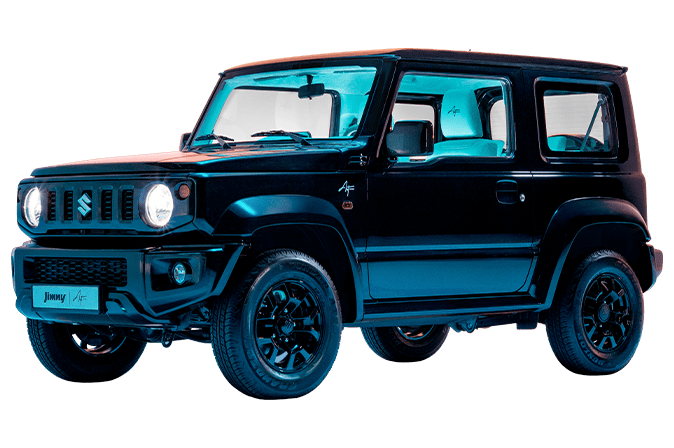
jimny blur art edition
Looking Forward: What the Art Edition Reveals About Automotive Futures
The Death of “Standard Specification”
The Art Edition points toward a future where “standard specification” becomes increasingly meaningless. As manufacturing becomes more flexible, supply chains more intelligent, and customer expectations more individualized, the industry will move toward mass customization as the default rather than the exception.
Twenty years from now, the idea that customers once accepted vehicles in pre-configured packages—”You can have any interior color as long as it’s black, beige, or gray”—will seem as outdated as hand-crank window controls.
The Rise of Regional Design Centers
If the Art Edition succeeds commercially (early indications suggest overwhelming demand), it establishes a precedent for regional design and modification centers that adapt global products to local preferences with manufacturer support.
Imagine Art Edition equivalents developed for Southeast Asian markets with tropical climate materials and region-specific aesthetic preferences. Or African market versions optimized for extreme off-road durability and multi-terrain versatility. Or European iterations emphasizing sustainability and recycled materials.
The model ARTC pioneered could globalize with regional variations—creating automotive customization ecosystems that respect global quality standards while celebrating regional identity.
The Dealership as Innovation Partner
Most fundamentally, the Art Edition redefines what automotive dealers can be. Instead of simply intermediaries between manufacturers and customers, they become innovation partners—entities capable of conceptualizing, developing, and executing sophisticated product programs that add genuine value.
This evolution transforms the dealer’s role from transactional to creative, from sales-focused to solution-oriented. It’s a future where the best dealers aren’t those who move the most inventory but those who create the most meaningful customer experiences.
Byond the Showroom
Because the real story doesn’t start at the showroom door—it starts the moment you realize your car can genuinely feel like you. Here, the experience shifts from a quick purchase to something personal: a vision, a choice, then craftsmanship done right—so you drive away with a build that reflects your taste, protects your warranty, and feels different every time you get behind the wheel.
The Jimny Art Edition began with a simple idea: What if customers could get factory-quality, warranty-covered customization directly from the authorized dealer, well …
lets start by clicking on the link : Suzuki Jimny Art Edition Vartual Tour
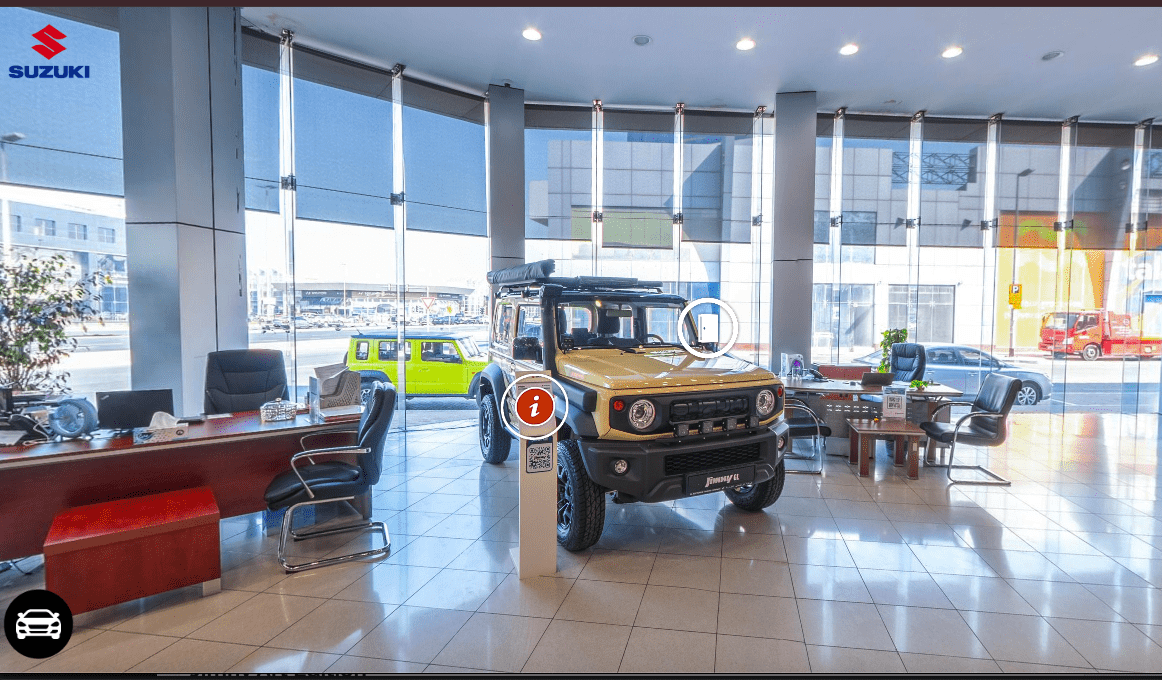
Suzuki Jimny Art Edition Showroom
Frequently Asked Questions:
What makes the Art Edition different from regular Jimny models?
The Art Edition features comprehensive interior customization with six Alcantara theme options, ambient roof lighting, custom brake caliper designs, carbon-fiber-inspired exterior elements, and multiple wheel design choices. All modifications are manufacturer-approved and maintain full Suzuki warranty coverage.
Do the modifications affect the Jimny’s off-road capability?
No. Every Art Edition component was specifically tested to ensure the vehicle maintains its renowned off-road capability. Wheel designs were validated for desert terrain, interior materials were selected for durability in dusty conditions, and no structural changes affect ground clearance, approach angles, or mechanical performance.
How long does the customization process take?
Once you’ve selected your configuration, the modification process typically takes 2-3 weeks depending on component availability and your chosen options. ARTC coordinates delivery timing to minimize inconvenience.
Is the Art Edition more expensive than a standard Jimny?
Yes, the Art Edition commands a premium over standard configurations, reflecting the quality of Alcantara materials, the complexity of certified installation, and the uniqueness of the customization options. However, pricing remains competitive compared to aftermarket modification costs, with the added benefits of warranty coverage and manufacturer approval.
Can I change my Art Edition configuration after purchase?
While the initial configuration is designed to be complete, ARTC can discuss additional modifications or theme changes through their certified facilities. However, because each Art Edition is custom-assembled, changing configuration is more complex than selecting different options initially.
What happens to my warranty if I add non-Art Edition aftermarket parts later?
Standard automotive warranty rules apply: manufacturer-approved Art Edition components maintain full warranty coverage, but unauthorized aftermarket additions may void warranty protections for affected systems. ARTC recommends consulting with their service teams before installing any non-approved modifications.
Are Art Edition Jimnys available for immediate delivery?
Because each vehicle is customized to order, immediate delivery isn’t available. However, ARTC may have showroom display units in popular configurations that can be purchased with shorter wait times. Custom orders allow complete personalization but require the 2-3 week assembly period.
Can I see the Art Edition options in person before ordering?
Absolutely. ARTC showrooms across the UAE feature Art Edition displays showing actual material samples, color options, and completed vehicles. The digital configurator is also available for real-time visualization of your specific combination.
Does the Art Edition affect fuel efficiency or emissions?
No. The Art Edition maintains the standard Jimny’s 1.5L naturally-aspirated engine and mechanical specifications. All modifications are aesthetic and interior-focused, with no impact on powertrain performance, fuel consumption, or emissions ratings.
What inspired ARTC to create the Art Edition?
The program emerged from customer feedback requesting more personalization options while maintaining warranty coverage and quality assurance. ARTC recognized that the UAE market particularly values individualized vehicles and developed the Art Edition as a comprehensive solution to meet that demand.
Can I finance an Art Edition through ARTC?
Yes, standard automotive financing options apply to Art Edition vehicles through ARTC’s banking partnerships. The customization premium is included in the total vehicle price and can be financed using conventional auto loan structures.
How does the Alcantara hold up in UAE’s extreme climate?
All Art Edition materials underwent rigorous testing for UAE conditions, including high temperatures, intense UV exposure, and dust penetration. The Alcantara used in Art Edition interiors features advanced treatments for stain resistance, UV stability, and heat tolerance specifically validated for this climate.
Is the Art Edition available for both manual and automatic Jimny models?
The Art Edition customization program is available for both transmission options, allowing customers to select their preferred drivetrain configuration independent of their aesthetic choices.
What if I have a unique color or design idea not offered in the six themes?
While the Art Edition launches with six carefully designed themes, ARTC welcomes conversations about unique requests. Depending on the complexity and component availability, bespoke configurations may be possible through their custom modification facilities.
How does the Art Edition retain value compared to standard Jimnys?
Well-executed, manufacturer-approved customization typically maintains or enhances resale value, particularly in markets like the UAE where distinctive vehicles command premium pricing. The Art Edition’s certified installation and warranty maintenance protect its value proposition better than aftermarket modifications.

suzuki jimny 5 doors
Suzuki Art Edition … Beyond Cars
There’s a moment in the Art Edition story that reveals everything you need to know about why this vehicle matters.
It’s not the Alcantara stitching, impressive as it is. Not the ambient lighting, though it transforms the interior atmosphere. Not even the engineering validation or warranty protection, critical though those elements are.
The moment is this: A customer in an ARTC showroom realizes they can choose.
Not accept. Not compromise. Not settle for “close enough.”
Choose.
That moment—when someone understands they can have a vehicle that reflects their aesthetic, their lifestyle, their identity, without sacrificing quality or warranty protection—is the Art Edition’s true innovation.
Because here’s what ARTC understood that much of the automotive industry still hasn’t grasped: People don’t want slightly different versions of the same thing. They want their thing.
They want the interior color that reminds them of their favorite coffee shop. The wheel design that makes them smile when they walk to their car. The ambient lighting that creates the atmosphere they can’t quite find anywhere else.
The Art Edition doesn’t give them transportation. It gives them their space—customized, personalized, and uniquely theirs.
In a world of increasing standardization, algorithmic recommendations, and mass-market homogeneity, the ability to create something distinctively yours is increasingly rare and valuable.
The Art Edition proves that automotive customization doesn’t require sacrificing quality, safety, or warranty protection. It demonstrates that regional design capabilities can match global standards. It shows that car dealers can be innovation partners, not just sales intermediaries.
But most importantly, it reminds us that the most meaningful innovations aren’t always technological breakthroughs or engineering marvels.
Sometimes, the most profound innovation is simply giving people the freedom to choose.
And then delivering on that promise with excellence.
That’s the canvas. That’s the art. That’s what drives us forward.
