

Building Tomorrow, Today
5G-A, AI, and The Health & Harmony Paradox
We live in an age of unprecedented connectivity, yet we’ve never felt more fragmented. Our devices promise instant access to everything, yet deliver constant interruption. We’re digitally connected to billions, yet emotionally isolated. This is the Health & Harmony Paradox—the uncomfortable truth that technology, despite its remarkable capabilities, has failed to make our lives fundamentally better until now.
The irony is sharp: we have 5G networks that move data at lightning speed, yet our healthcare systems remain sluggish. We have AI algorithms that predict trends, yet we struggle to predict our own mental health. We have smart cities emerging across the globe, yet we don’t feel smarter about our own wellbeing. Something has been missing from the equation—not more speed, but intelligent intention. Not just connectivity, but conscious connectivity.
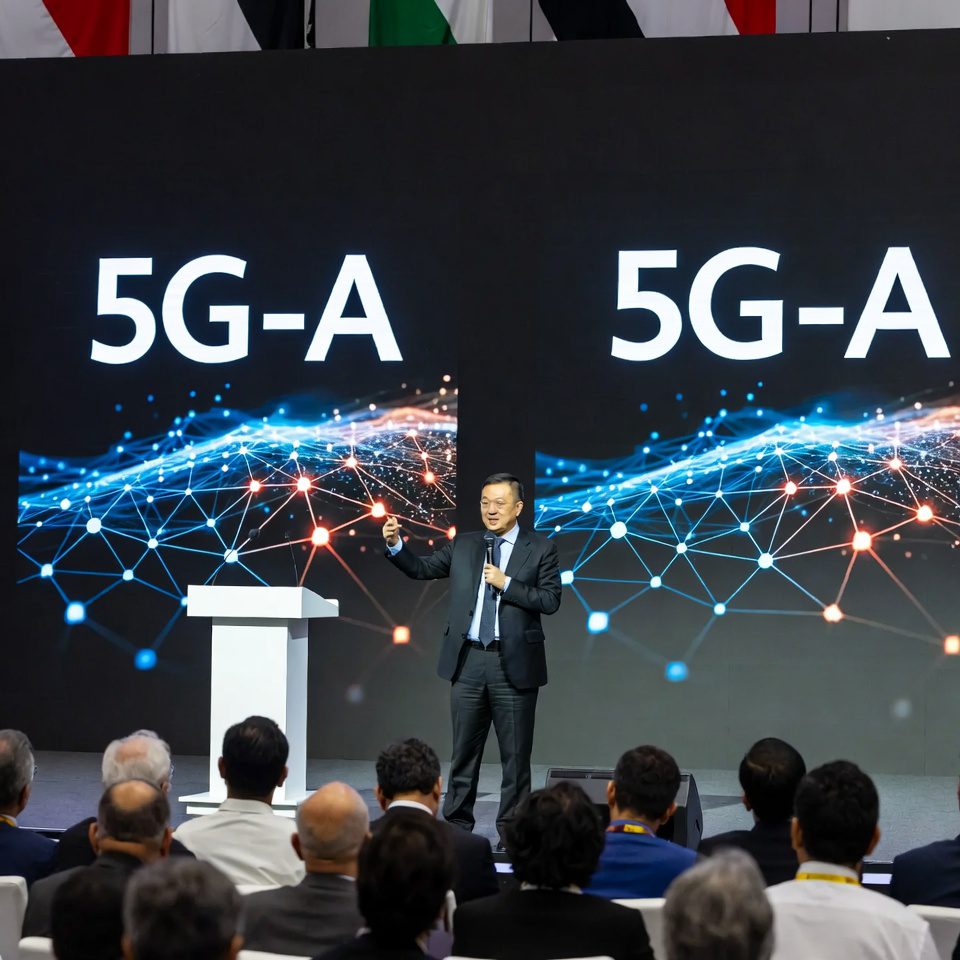
From the heart of the Middle East—a region that has historically bridged ancient wisdom with cutting-edge innovation—a different vision is emerging. Huawei’s integration of 5G-Advanced (5G-A) with artificial intelligence isn’t just another technological leap. It’s a fundamental reimagining of what connectivity should do for human life: enable health, foster harmony, reduce friction, and create space for what truly matters.
This isn’t marketing language. This is what’s already happening across the Middle East, where over one million users are experiencing a new paradigm of intelligent connectivity. And what’s unfolding here has profound implications for how we’ll live globally.
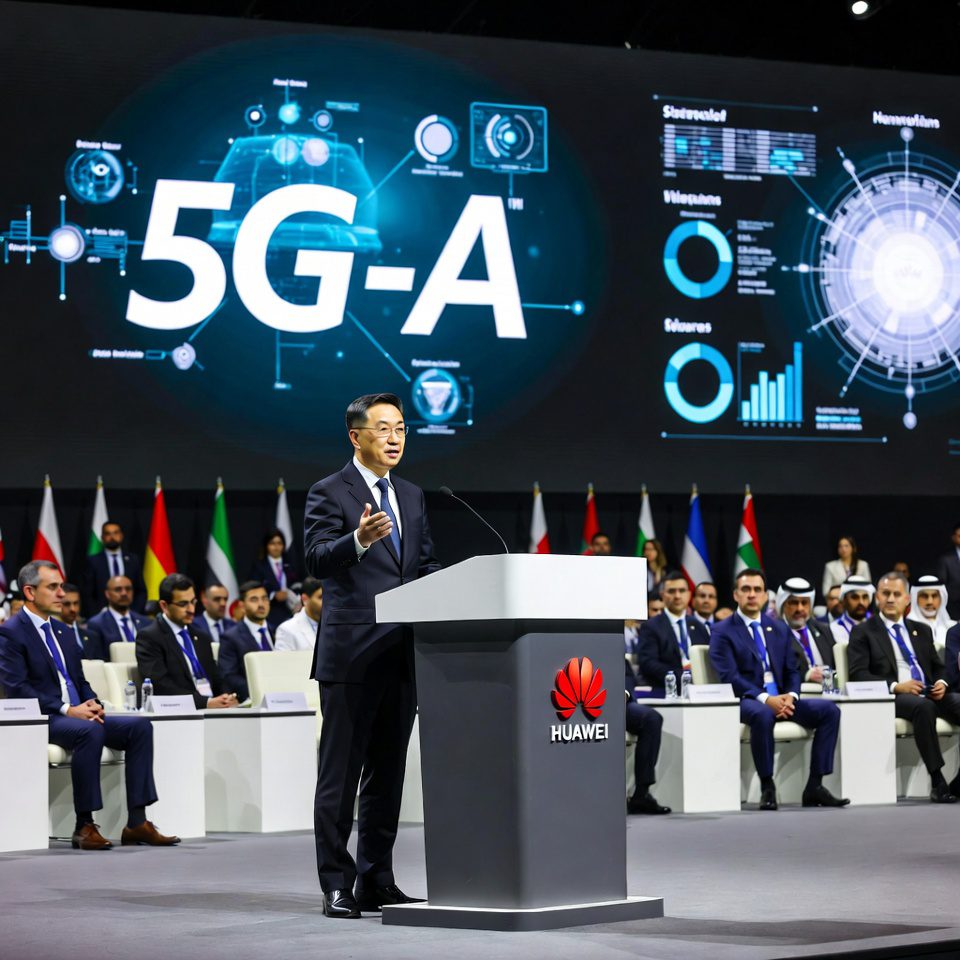
The Middle East: Where Tomorrow Is Being Built Today
Before we understand the future, we need to understand why the Middle East has become the epicenter of this transformation.
The region isn’t simply adopting 5G-A technology—it’s pioneering it. With more than 25 commercial 5G-A networks deployed globally, the Middle East hosts the highest concentration of deployment and the most aggressive innovation timelines. This isn’t coincidental. It reflects a strategic vision that extends far beyond telecommunications.
The governments and operators of the Gulf Cooperation Council (GCC) countries recognized something fundamental: technology adoption must serve a higher purpose. Economic diversification, sustainability, healthcare advancement, and quality of life improvements aren’t separate goals—they’re interconnected outcomes of intelligent infrastructure.
Today, 75% of smartphones in GCC countries support Standalone (SA) networking, and 36% have AI capabilities built in. Network coverage has improved by 20%, while uplink speeds have surged by 50%. But these numbers only tell half the story. The real narrative is in what these capabilities enable.

When a farmer in rural Qatar can receive real-time AI-powered irrigation guidance through their phone, that’s not just efficiency—that’s dignity and sustainability converging. When a healthcare worker in Dubai can access a patient’s complete medical history in milliseconds, with AI flagging potential complications before they emerge, that’s not just speed—that’s lives saved. When an elderly person in Abu Dhabi can interact with an AI agent using natural voice commands, accessing city services without navigating complex menus, that’s not just convenience—that’s technology honoring human limitations and capabilities simultaneously.
This is why the Middle East matters globally. It’s demonstrating that 5G-A and AI aren’t merely about faster downloads or smarter recommendations. They’re about creating infrastructure that enhances human dignity, protects privacy, and prioritizes wellbeing.
The Architecture of Harmony: Understanding 5G-A and AI Integration
To understand what makes this transformation different, we need to look beneath the surface.
5G-Advanced represents a maturation of 5G technology. While earlier 5G focused on speed and connectivity, 5G-A introduces something more sophisticated: contextual awareness. It understands not just what data you’re accessing, but why, when, and under what conditions you need it. The network becomes responsive rather than merely reactive.
But here’s where AI changes everything.
AI doesn’t just accelerate existing processes; it fundamentally transforms them. When AI integrates with 5G-A infrastructure, something unprecedented happens: the network begins to anticipate rather than respond. It learns patterns in how you use services, predicts what you might need next, and optimizes resources not for maximum speed, but for maximum relevance.
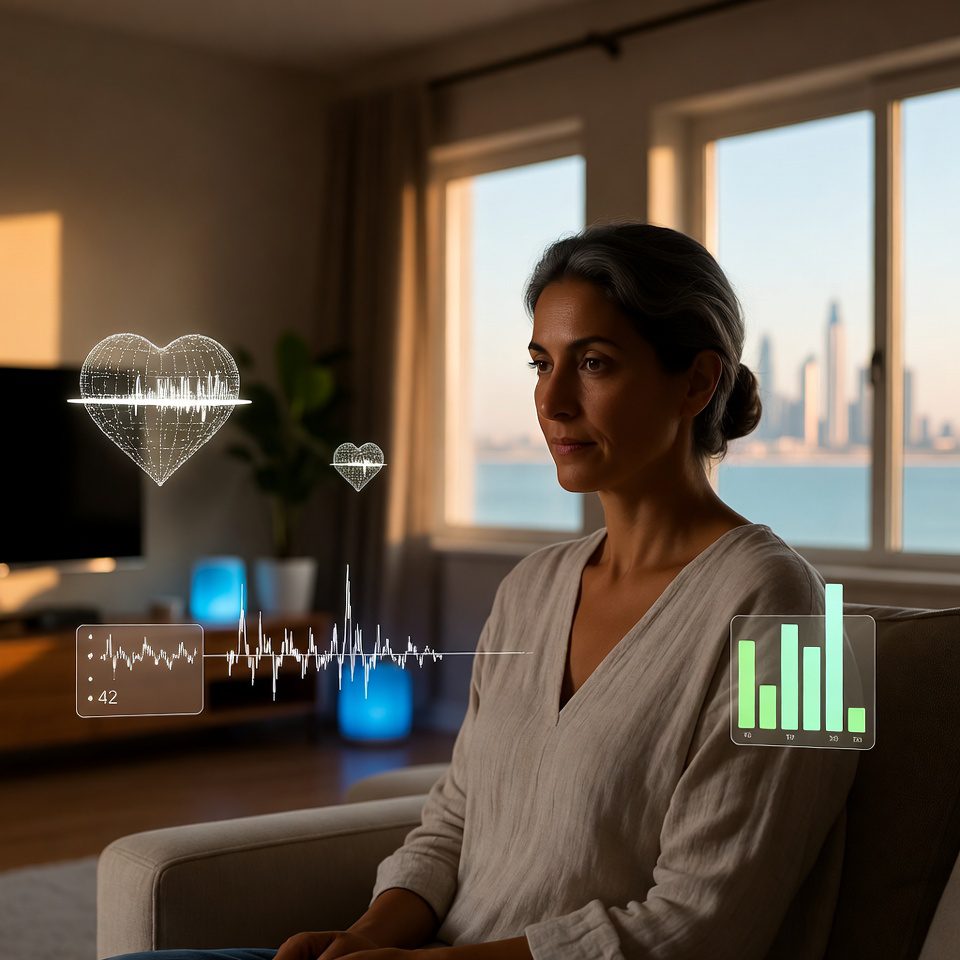
Consider healthcare as a concrete example. In a traditional 5G environment, when a patient visits a clinic, their records are accessed on-demand—fast, certainly, but still reactive. With 5G-A and AI integration, the system begins proactively monitoring health indicators, flagging potential issues before symptoms emerge, and coordinating care across multiple providers in real-time. The 30-40% improvements in network energy efficiency that Middle Eastern operators are achieving aren’t just about lower power bills—they’re about redirecting resources toward AI-driven health monitoring that operates continuously without burning out infrastructure.
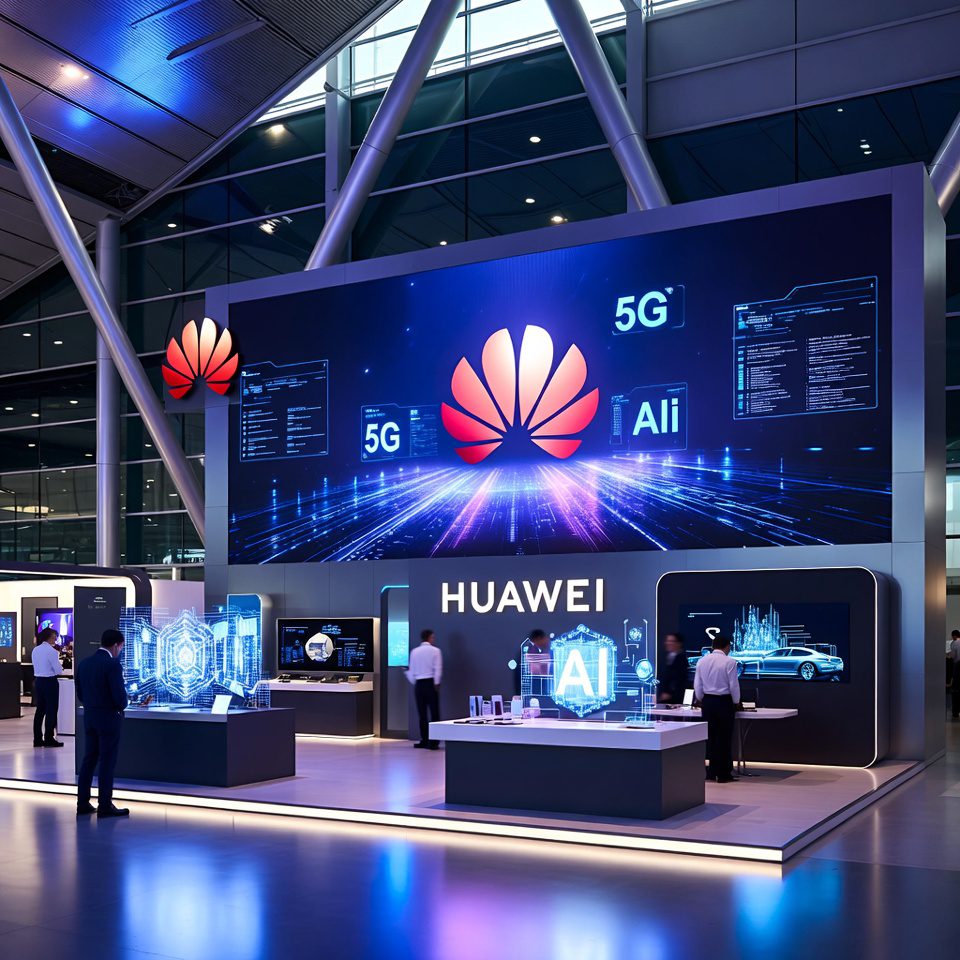
This is the “3A Infrastructure” model that Huawei has introduced: 5G-A (the foundation), Always-Online (reliability), and AI-Driven (intelligence). Together, they create an ecosystem where technology operates in the background of your life, enhancing experience without demanding constant attention—a digital version of Zen principles where the best systems are those you barely notice working.
The practical impact is measurable. Over 60,000 enterprise private networks have already been deployed globally using this architecture. These aren’t just corporate networks; they include smart hospitals, intelligent manufacturing facilities, connected agricultural systems, and autonomous transportation networks. Each one solving real problems: reducing medical errors, improving efficiency, increasing safety, and—crucially—creating time and space for human connection.
From Connectivity to Consciousness: The Shift in Perspective
Here’s what makes this moment genuinely different from previous technology cycles.
Previous waves of innovation asked: “How fast can we make this?” The answer led to networks optimized for speed and devices optimized for engagement metrics. The unintended consequence? Technology that pulled us away from presence, that created addiction patterns, that exhausted us even as it connected us.
5G-A and AI integration ask a different question: “How can this make human life better?”
It’s a subtle shift in framing, but profound in execution. And it changes everything.
When you design infrastructure around human wellbeing rather than data throughput, you make different choices. You optimize for relevance over novelty. You prioritize accuracy over speed. You design for privacy as a feature, not an afterthought. You create systems that work with human psychology rather than against it.
This is why Huawei’s presence in the Middle East represents more than regional success. It represents a philosophical repositioning: technology as a servant of human flourishing rather than a master demanding human adaptation.
The region’s implementation demonstrates this beautifully. Middle Eastern operators have increased Average Revenue Per User (ARPU) by 20% not through aggressive data monetization, but through tiered services and scenario-based solutions that actually serve different user needs. They’ve achieved 80% coverage of daily scenarios with AI agents and voice interaction—meaning for most routine tasks, you don’t navigate menus; you simply talk to your network like you’d talk to a trusted assistant.
More remarkably, operations and maintenance automation has reached 40%—but this isn’t about eliminating human jobs. It’s about redirecting human expertise from repetitive troubleshooting to strategic problem-solving, relationship-building, and complex system optimization. The network works smarter so humans can work more meaningfully.

The Health Dimension: Redefining Wellbeing in the Digital Age
Let’s be direct about why this matters for health and harmony specifically.
The digital age has created a wellness crisis that’s rarely discussed in technology circles. We’re experiencing unprecedented rates of digital fatigue, information overload, attention fragmentation, and tech-related anxiety. Our devices were supposed to liberate us; instead, they’ve created new forms of bondage—constant connectivity creating constant obligation, always-on notifications creating constant stress, algorithmic feeds designed to maximize engagement creating constant anxiety about what we’re missing.
Against this backdrop, 5G-A and AI integration offers something revolutionary: intelligent friction reduction without attention extraction.
What does this mean practically?
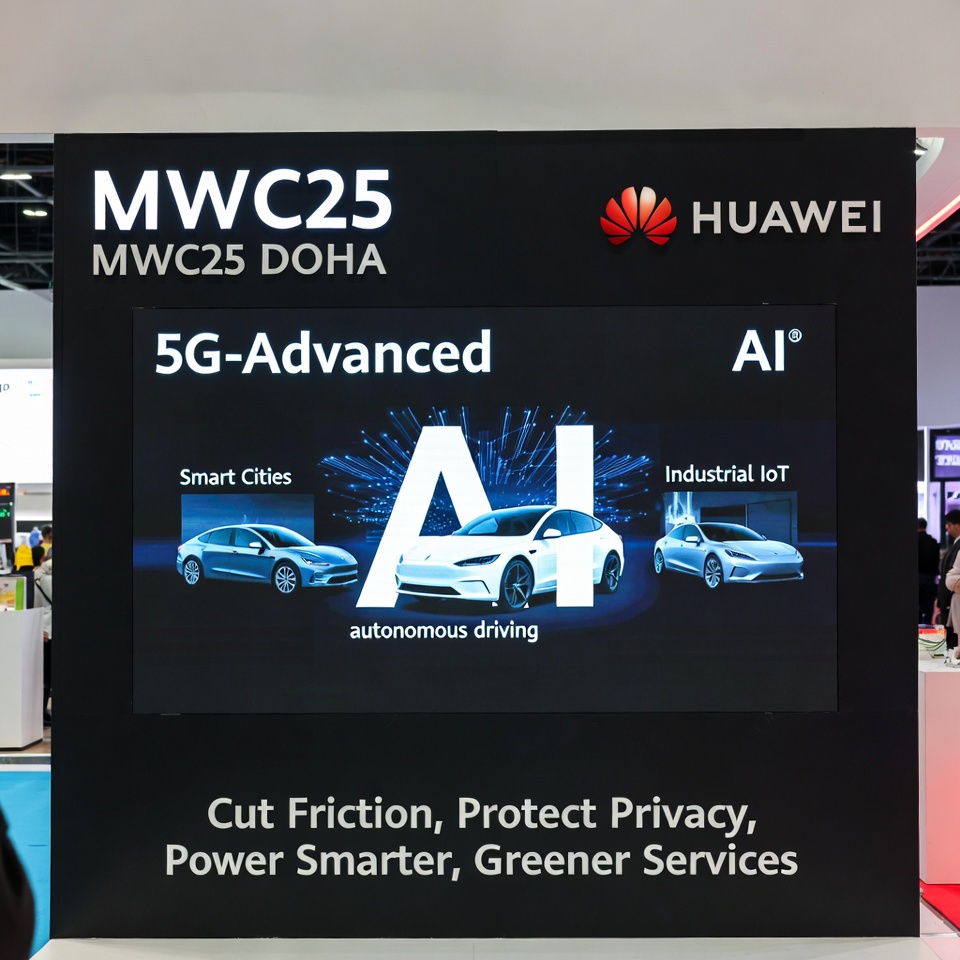
In Healthcare: AI-driven diagnostic support means fewer misdiagnoses and more confident treatment decisions. Reduced medical errors translate directly to better health outcomes. But more subtle is the psychological relief—knowing that redundant checks are happening in the background, that a system is proactively monitoring your health, creates a sense of safety that actually reduces stress-related health conditions.
In Communication: 5G-A’s reduced latency (near-zero delay) means video consultations with doctors, therapists, and specialists are nearly indistinguishable from in-person visits. For people in rural areas or those with mobility challenges, this dramatically improves healthcare access. But it also creates psychological presence—the feeling of genuine connection rather than mediated interaction.
In Fitness and Wellness: Always-online AI agents can provide personalized fitness guidance, nutrition recommendations, and mental health check-ins without requiring you to navigate apps. You receive what’s relevant at the moment you need it, not a notification feed designed to keep you scrolling.

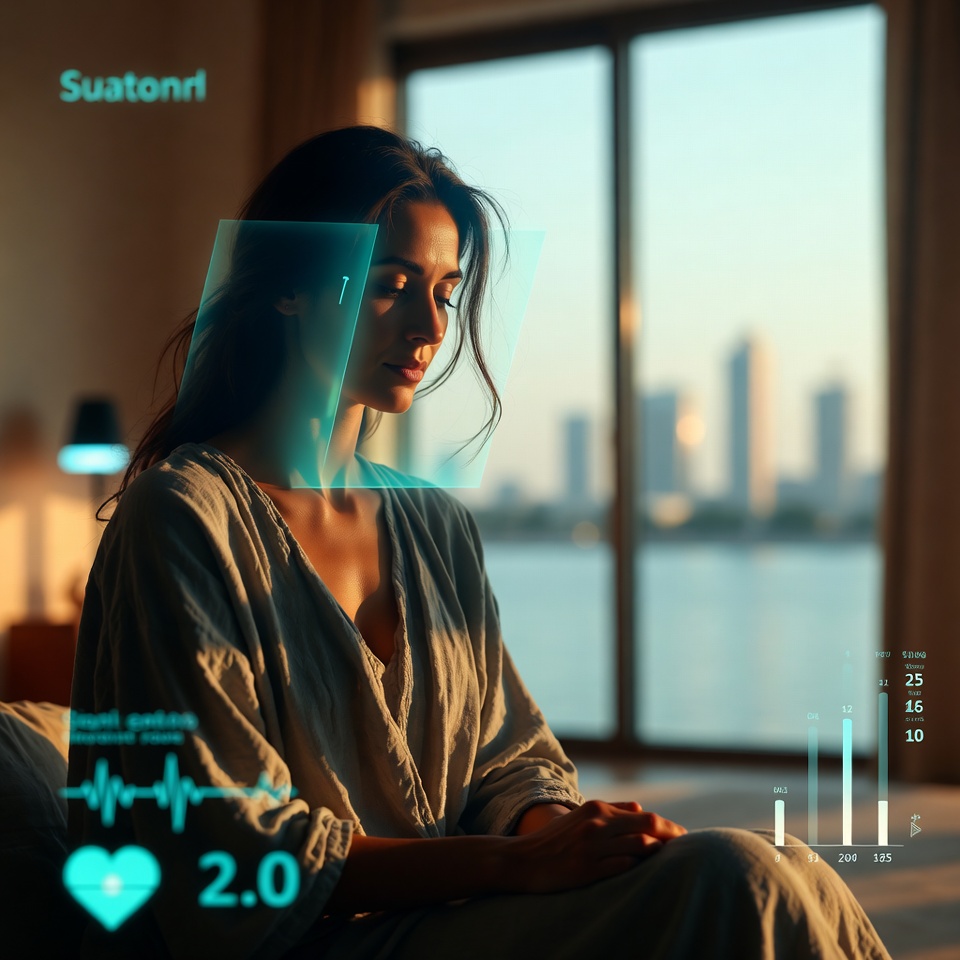
In Sleep and Recovery: Networks optimized with AI-driven power management mean devices use less power and create less electromagnetic stress. More importantly, always-on monitoring means the system can identify irregular sleep patterns and alert you before they become serious health issues.
In Mental Health: Perhaps most importantly, 5G-A and AI enable real-time support for mental health crises. An AI agent can recognize signs of distress in voice patterns or communication frequency and proactively connect someone with support resources. It creates a safety net that catches people falling through the traditional healthcare system’s cracks.
The harmony emerges from a fundamental principle: technology stops demanding your attention and starts serving your needs.
Global Implications: What the Middle East Teaches the World
When we examine what’s happening in the Middle East with 5G-A and AI integration, we’re essentially witnessing a prototype for global digital transformation. Several lessons are already clear and consequential:
First, Infrastructure Decisions Are Moral Decisions. How we build networks reflects what we value. The Middle East’s emphasis on energy efficiency, privacy protection, and human-centered design reveals values different from networks optimized purely for profit extraction.
Second, Innovation Isn’t Linear. The Middle East didn’t need to wait for global standards to mature—it created standards by implementing what worked. Over one million 5G-A users in the Middle East isn’t a trailing indicator; it’s a leading indicator showing what’s possible when regions take ownership of innovation rather than waiting for permission.
Third, Technology Serves Culture Better Than Culture Serves Technology. Successful implementation in the Middle East reflects integration with existing cultural values—community orientation, respect for privacy, family-centered decision-making. Networks designed with these principles produce better outcomes than networks designed in cultural vacuums.
Fourth, Diversity of Implementation Creates Better Solutions. With 25 different 5G-A networks deployed globally, each with regional adaptations, the ecosystem learns faster. The Middle East’s role as innovator rather than adapter means global solutions benefit from regional wisdom.
These insights carry massive implications. As 5G-A and AI deployment accelerates globally, the question isn’t “Will this technology reach us?” but “Will it be implemented thoughtfully or recklessly? Will it prioritize human wellbeing or corporate metrics? Will it protect privacy or enable surveillance? Will it create harmony or conflict?”
The Middle East’s example suggests that when infrastructure decisions are made with genuine commitment to human flourishing, the answers tend toward health and harmony.
Addressing the Real Concerns: Privacy, Security, and Autonomy
We’d be incomplete if we ignored legitimate concerns about AI and connectivity integration.
The Privacy Question: Yes, more connectivity and AI monitoring creates privacy risks. But the conversation often misses a crucial point: privacy protection is possible with the right architecture. Huawei’s approach emphasizes edge computing (processing data locally rather than sending everything to centralized servers) and encrypted communication. This means AI can provide personalized service—understanding your health needs, your preferences, your patterns—without actually collecting invasive personal data. Your smart health system can recognize that you’re developing hypertension without ever uploading your actual blood pressure readings.
The Security Question: More connected systems do create attack surfaces. But the answer isn’t less connectivity—it’s better security architecture built in from the foundation. 5G-A’s integration with AI enables real-time threat detection and response that’s actually more secure than less connected alternatives. The Middle East’s implementation includes multi-layer security protocols that have proven robust against sophisticated attacks.
The Autonomy Question: The deepest concern is often unspoken: if systems become too intelligent and too convenient, do we lose agency? Do we become passive consumers rather than active participants? This is legitimate. The answer lies in design philosophy. Systems designed to inform rather than manipulate, to assist rather than automate decision-making, to offer choices rather than enforce outcomes, preserve human autonomy while enhancing capability. The Middle East’s implementation emphasizes human-in-the-loop decision-making, especially in healthcare, finance, and critical infrastructure.
These aren’t problems to be solved someday. They’re being actively managed right now in Middle Eastern deployments, providing real-world evidence that intelligent connectivity can coexist with privacy, security, and autonomy.
The Harmony Principle: Living Better, Not Just Faster
Ultimately, the Health & Harmony Paradox resolves when we shift from asking “How much can technology do?” to asking “What should technology do?”
The Middle East’s 5G-A and AI integration answers this with unexpected elegance: technology should create space. Space for healing. Space for connection. Space for presence. Space for the parts of life that make us human.
This happens in subtle ways:
When you don’t have to navigate complex interfaces, you have mental space for creativity. When your health is being monitored intelligently, you have peace of mind. When communications are clear and immediate, you have emotional presence. When networks operate with 40% greater energy efficiency, you have a sustainable future. When AI handles routine tasks, you have time for relationships.
Harmony isn’t the absence of technology—it’s technology that understands its proper place in human life.
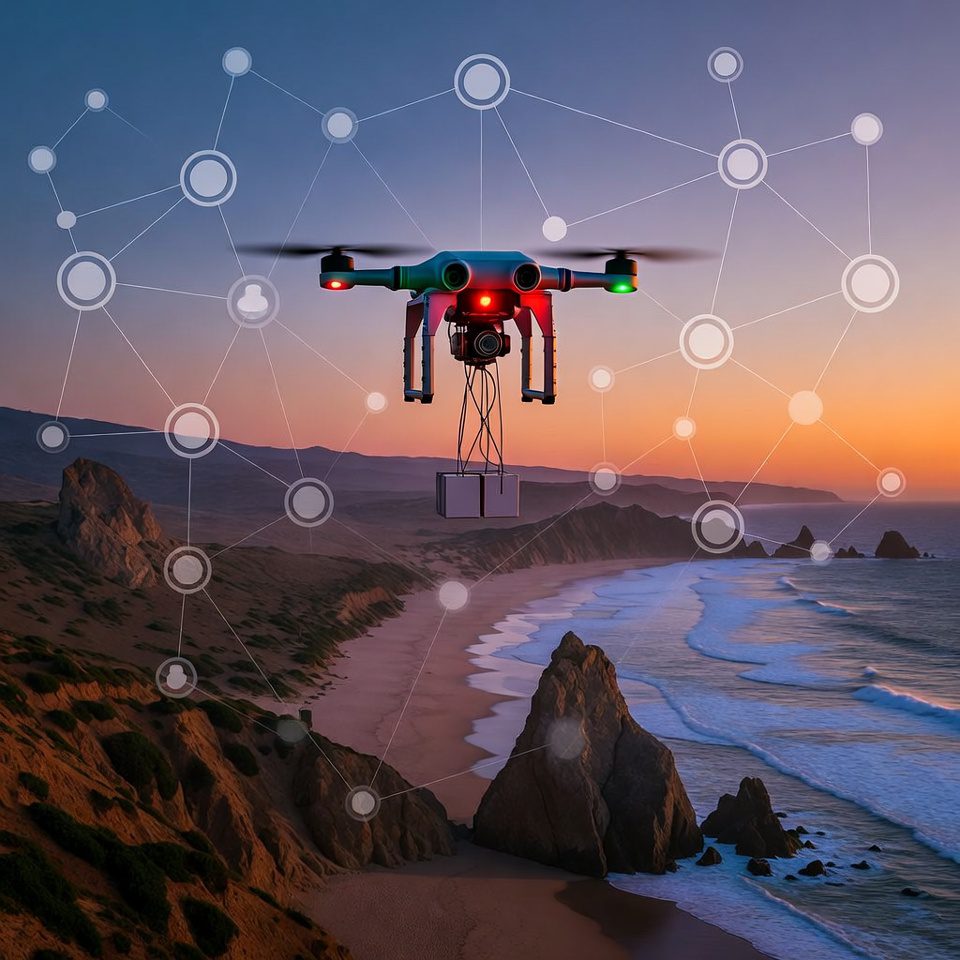
The drone delivery systems emerging from improved 5G-A infrastructure? They’re not just logistics optimization. They’re elderly people receiving medications without leaving home. They’re essential supplies reaching disaster areas faster. They’re small businesses competing with massive logistics companies. They’re efficiency with human consequence.
The flying taxis enabled by enhanced network coverage and AI coordination? Not just faster commutes. People spending less time in traffic, more time with family. Reduced emissions. Reclaimed urban space. A city that breathes.
The AI health agents operating across always-online networks? Not just faster access to information. A mother in a remote region getting pregnancy guidance. A diabetic in a rural area receiving personalized nutrition counseling. A teenager in crisis finding support in real-time.
This is what intelligent connectivity actually delivers when designed with wisdom rather than just ambition.
Building Your Tomorrow, Today
The remarkable thing about the Middle East’s 5G-A and AI leadership is that it’s not a future scenario. It’s happening now, in real communities, solving real problems.
For individuals, this means:
- Healthcare that’s proactive rather than reactive
- Communications that enhance rather than exhaust
- Networks that respect rather than exploit
- Technology that serves your life rather than demands your attention
For communities, this means:
- Economic diversification built on genuine innovation
- Sustainable infrastructure that doesn’t sacrifice human wellbeing
- Opportunities for talent development and meaningful work
- Resilient systems that strengthen during challenges
For the global future, this means:
- A model for technology deployment that prioritizes human flourishing
- Proof that intelligent connectivity can protect privacy and autonomy
- Demonstration that regional innovation can drive global progress
- Evidence that harmony and technology aren’t mutually exclusive
The Health & Harmony Paradox isn’t a permanent condition. It’s a phase that emerges when technology runs ahead of wisdom. The Middle East’s implementation of 5G-A and AI integration suggests we’re transitioning into a phase where wisdom catches up—where technology becomes genuinely intelligent not in processing power, but in understanding its purpose.
This is what “Building Tomorrow, Today” actually means: not just deploying new infrastructure, but implementing it with intention, philosophy, and commitment to human flourishing.
The question isn’t whether 5G-A and AI will transform our world. They will. The question is whether we’ll implement them wisely. The Middle East is answering that question affirmatively, and in doing so, is teaching the world that better connectivity doesn’t mean more intrusion—it means better health, deeper harmony, and genuinely improved quality of life.
That’s not just technology. That’s wisdom emerging through infrastructure. That’s tomorrow, being built today.
Frequently Asked Questions: Everything You Need to Know
Q: How is 5G-A different from regular 5G? A: While 5G focused on speed and connectivity, 5G-A (5G-Advanced) introduces contextual awareness and network intelligence. It understands not just what data you’re accessing, but why and when you need it, making the network responsive and anticipatory rather than merely reactive. In practical terms, 5G-A networks adapt to your needs rather than forcing you to adapt to the network.
Q: Can AI integration actually improve privacy, or does it just enable more surveillance? A: This depends entirely on architecture. Huawei’s 5G-A and AI model emphasizes edge computing and local data processing, meaning your personalized AI experience happens on your device or nearby infrastructure, not in centralized servers. Your system can understand you’re developing a health condition without sending your actual medical data anywhere. Privacy and personalization aren’t opposites when designed thoughtfully.
Q: Why is the Middle East leading in 5G-A deployment? A: The region combined several advantageous factors: strategic vision for technology-driven diversification, alignment of government and operators on innovation priorities, existing infrastructure investment, and commitment to human-centered implementation rather than pure speed optimization. Over 25 commercial networks and one million users reflect both capability and intention.
Q: What does “Always-Online, AI-Driven” infrastructure actually mean for daily life? A: It means your network is continuously optimizing itself. Your healthcare system proactively monitors indicators. Your communication systems predict connectivity needs. Your smart home devices coordinate efficiently. Your workplace systems identify inefficiencies automatically. You experience seamless, frictionless service without having to manually manage complex systems.
Q: Is intelligent connectivity more energy-intensive or less? A: Counterintuitively, it’s less. The 30-40% improvements in network energy efficiency achieved in the Middle East come from AI optimizing resource allocation. Instead of networks always operating at full capacity, AI directs resources precisely where needed, when needed. This reduces power consumption while improving performance—a rare win-win.
Q: What about jobs? Won’t automation eliminate employment? A: In the Middle East’s model, automation is redirecting human effort rather than eliminating it. Operations and maintenance automation at 40% means technicians move from troubleshooting repetitive problems to strategic optimization and customer relationships. Talent is being developed for higher-value work, not displaced.
Q: How does this improve mental health specifically? A: Multiple pathways: reduced information overload through intelligent filtering, predictive mental health monitoring, seamless access to counseling resources, reduced digital fatigue from optimized devices, and importantly, restoration of presence through friction-free technology. When technology stops demanding constant attention, you can actually be present in your life.
Q: Is this available globally now, or only in the Middle East? A: 5G-A deployment is expanding globally with 25+ networks operational. However, the Middle East is leading implementation with highest user density and most aggressive innovation timelines. What’s deployed there today typically becomes available in other regions within 12-24 months.
Q: Can I trust my health data to an AI system? A: Health data security depends on the framework. Modern 5G-A implementations include medical-grade encryption, regular security audits, and compliance with international healthcare privacy standards (equivalent to HIPAA). More importantly, these systems typically don’t replace human doctors—they augment human decision-making with additional data and analysis.
Q: What about the cost? Isn’t intelligent connectivity more expensive? A: Initial infrastructure costs are significant, but per-user costs decrease as deployment scales. More importantly, total cost of ownership often decreases through efficiency gains, reduced errors, and automation of expensive manual processes. The Middle East’s model of tiered services means different price points for different needs—not everyone pays for premium intelligent services.
Q: How long before this impacts my region? A: Deployment timelines vary by region, but generally 5G-A infrastructure is being implemented in major markets now, with expansion accelerating through 2025-2027. Middle Eastern leadership means proven models are available to other regions, potentially accelerating adoption. Check with your local telecom providers for deployment timelines.
Q: Isn’t this too good to be true? What’s the catch? A: The primary challenges are real: ensuring equitable access across economic strata, maintaining robust privacy protections as systems become more sophisticated, preventing surveillance overreach through regulation, and managing the digital divide between early adopters and others. These aren’t technical problems—they’re governance problems requiring active management.
The Tomorrow You’re Already Living
Here’s what’s most remarkable about this moment: you don’t have to imagine the future anymore. It’s not a theoretical discussion about what intelligent connectivity might do. It’s a real phenomenon with over one million users across the Middle East experiencing it right now.
The Health & Harmony Paradox is being resolved in real time. Not through more technology, but through smarter technology—technology that understands its purpose is to serve human flourishing rather than extract value.
This is what “Building Tomorrow, Today” truly means. It’s not about having the fastest network. It’s about having a network that makes your life genuinely better, that protects your wellbeing, that respects your autonomy, that creates harmony even amid complexity.
The Middle East isn’t just ahead of the curve. It’s redefining what the curve should be. And what it’s teaching the world is that technology’s greatest achievement isn’t speed or scale—it’s wisdom in service of human life.
Your tomorrow is being built today, whether you’re in the Gulf or anywhere globally watching these innovations unfold. The question isn’t whether intelligent connectivity is coming. It is. The question is whether we’ll shape it toward genuine wellbeing or allow it to drift toward mere optimization of everything.
Based on what’s happening in the Middle East, there’s genuine reason for hope that we’re choosing better.
