
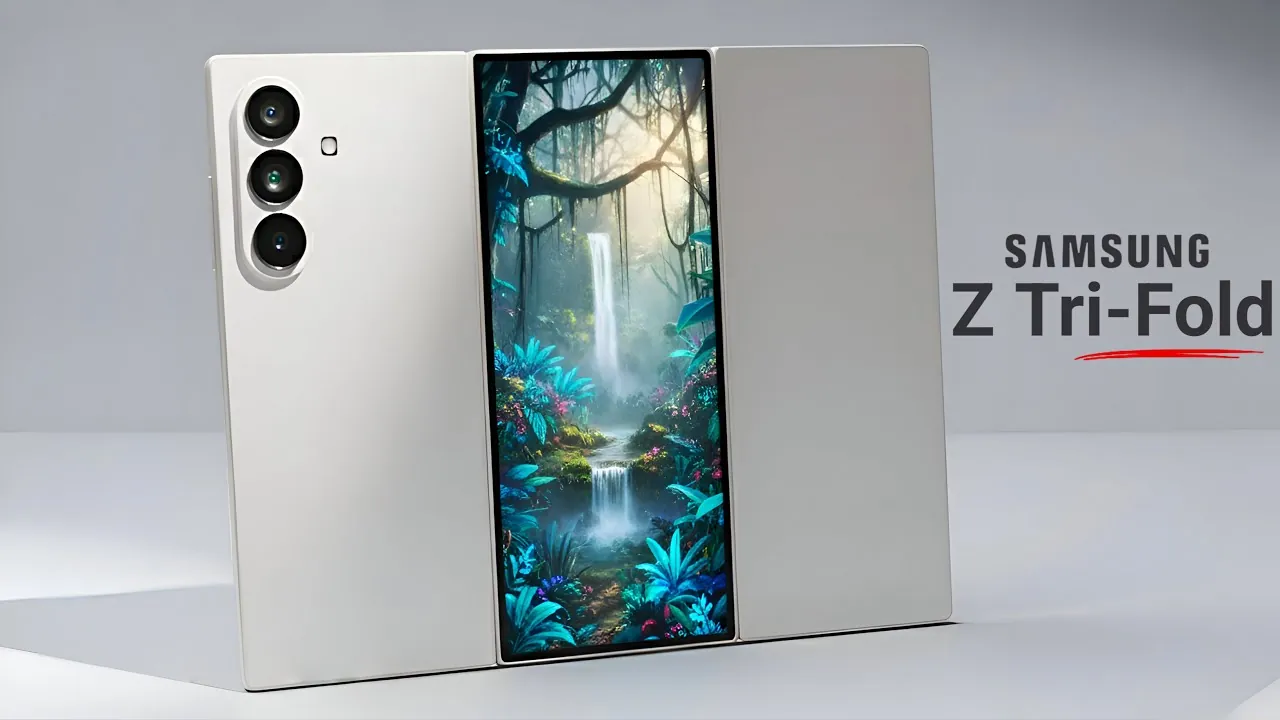
Galaxy Z TriFold
A Decade of Foldable Mastery in Revolutionary Design
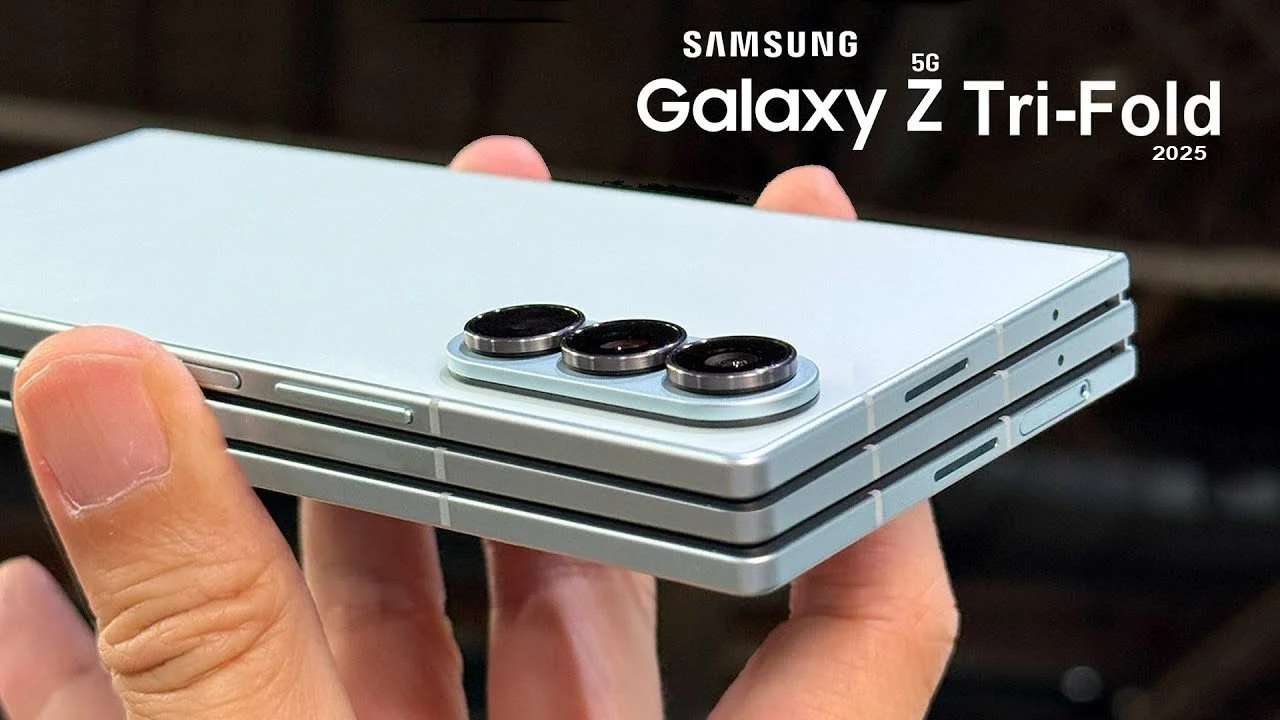
We stand at an inflection point in mobile history. Not because of incremental improvements or predictable iterations, but because Samsung has accomplished something the industry thought impossible: they’ve taken the foldable phone concept—which itself seemed audacious a mere five years ago—and extended it into a third dimension. The Galaxy Z TriFold isn’t simply a phone that folds twice. It’s a philosophical statement about what “portable computing” means in an era where work, creativity, and connection demand more screen real estate, yet our pockets demand portability.
Consider this paradox: we want cinema-quality displays for Netflix binges, yet we refuse to carry tablets. We demand desktop-level multitasking, yet we value the tactile minimalism of a device that fits in our palm. For nearly two decades, this contradiction has plagued the mobile industry. Engineers have sketched solutions in late-night labs, product teams have debated trade-offs in sterile conference rooms, and consumers have sighed—accepting compromise as inevitable.
Samsung didn’t accept compromise. Instead, they asked a different question: What if we didn’t have to choose?
This is the story of how one company, armed with a decade of foldable expertise, engineering discipline, and relentless obsession with solving real human problems, answered that question with a device that reshapes what we thought was possible.
The Genesis
Samsung’s Decade-Long Journey Into Foldable Innovation
To truly understand the Galaxy Z TriFold, we must rewind the clock to 2019—a moment when “foldable phone” was still punchline territory, when skeptics outnumbered believers, and when Samsung made a bet that seemed reckless to many.
The Foundation: A Company Built on Tomorrow
Samsung’s relationship with technological breakthroughs runs deep through its DNA. From pioneering OLED displays that transformed televisions into art installations, to manufacturing the semiconductor memory that powers the world’s data centers, Samsung has never been content with the status quo. But phones? Phones have always been Samsung’s greatest proving ground.
The Galaxy series launched in 2010 as Samsung’s answer to the iPhone—a confident, capable alternative that proved Samsung could compete not just on specs, but on vision. Over the past fifteen years, the Galaxy line has evolved through countless iterations: the Note series introduced the stylus; the S series refined the flagship experience; and the A series democratized premium features for emerging markets. Samsung didn’t just follow trends; they created them.
But the smartphone market by 2018 had reached a plateau. Every manufacturer was chasing the same metrics—thinner bezels, brighter displays, faster processors. Incremental gains. Predictable outcomes. Samsung’s leadership recognized this trap and chose a different path.
The First Leap: Galaxy Fold (2019)
In March 2019, Samsung unveiled the Galaxy Fold—a device that made the world stop and stare. A 7.3-inch display that could fold in half. Critics immediately pounced: “It’s fragile.” “The crease is unbearable.” “Who needs this?” The initial launch stumbled when review units displayed durability issues, and Samsung faced global ridicule.
But something remarkable happened. Rather than retreat, Samsung listened. They strengthened the hinge, improved the materials, and refined the software. By the time the Galaxy Fold Z arrived, then the Fold2, Fold3, Fold4, Fold5, and Fold6, Samsung had proven that foldables weren’t a gimmick—they were the future.
The Arc of Mastery: From Fold to Flip to Possibility
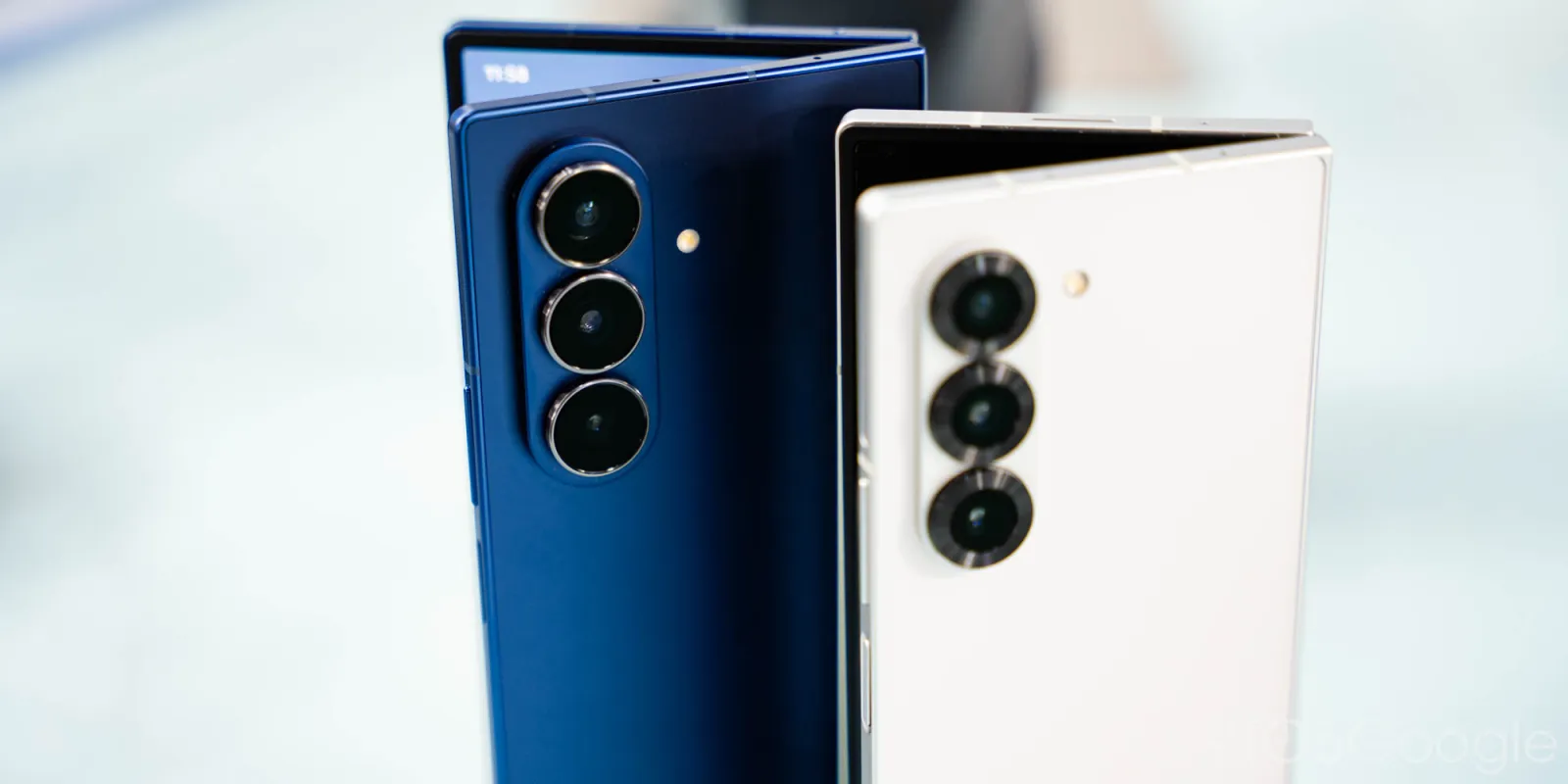
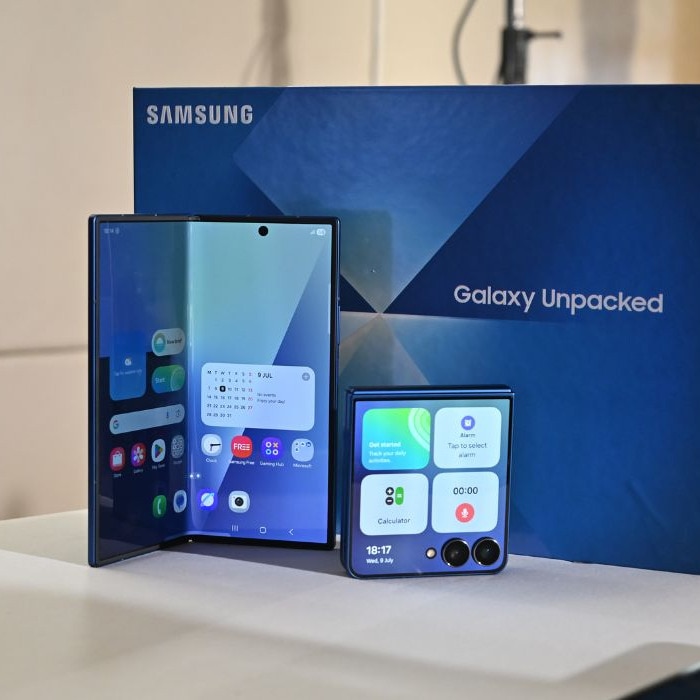
Parallel to the inward-folding Fold series, Samsung introduced the Galaxy Flip—a clamshell design that unfolded vertically. Two distinct form factors. Two different philosophical approaches. Consumers had choice. The market, initially skeptical, began to shift. By 2023, foldable phones represented a genuine category, not a curiosity.
Each generation brought refinements: better hinges, more durable screens, improved crease mitigation, optimized software, AI-assisted features. Samsung wasn’t just making foldables; they were perfecting foldable culture. They were training manufacturers, partnering with display makers, pushing the entire supply chain toward excellence.
And through it all, one question lingered in Samsung’s innovation labs: What comes next?
The answer emerged not through sudden inspiration, but through patient observation. Samsung’s researchers studied how people actually used their Fold devices. They watched architects unfold their phones to review blueprints. They observed designers using the large screen as a portable workspace. They noted creative professionals craving even more screen real estate, yet remaining tethered to portability.
The data was clear: there was appetite for more.
The Breakthrough: Galaxy Z TriFold and the Physics of Possibility
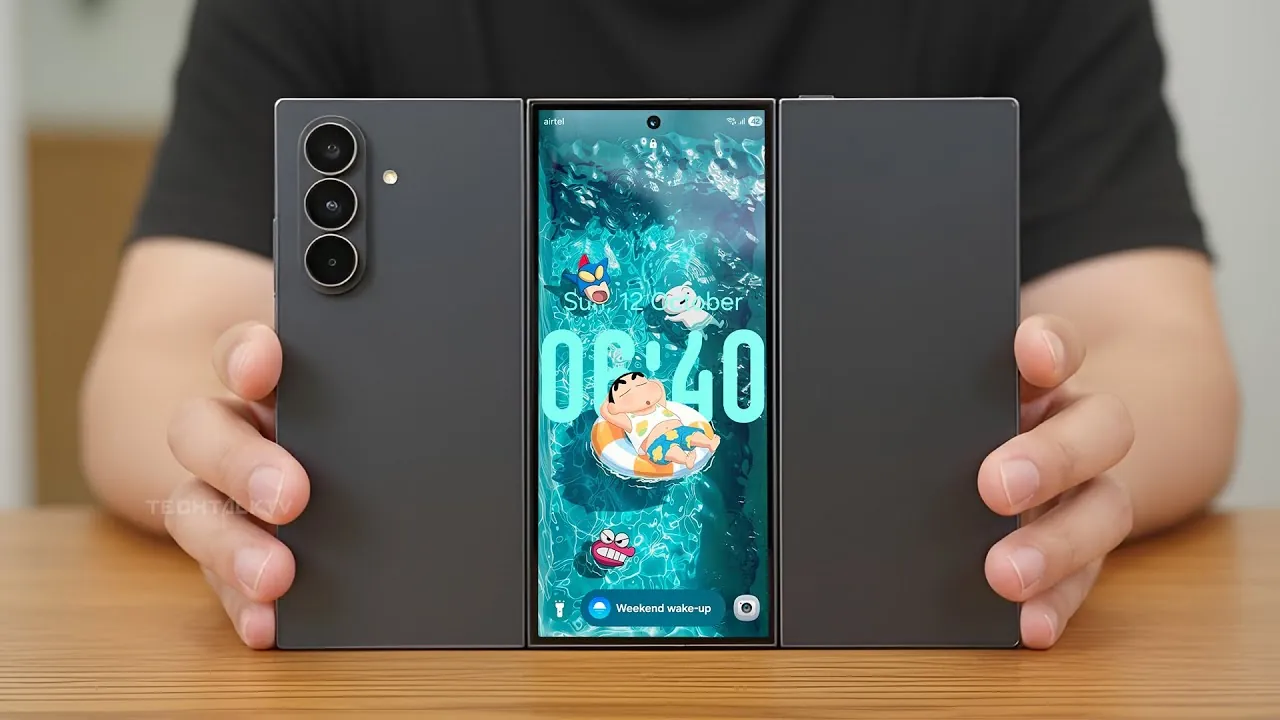
Then came 2024-2025. Samsung’s engineering teams, having accumulated a decade of foldable mastery, faced an entirely new challenge: how do you fold a screen twice while maintaining durability, portability, and an experience worthy of the Galaxy name?
This wasn’t simply “add another fold.” Every element had to be reconsidered from first principles.
The Engineering Marvel: Overcoming Five Critical Challenges
Challenge 1: The Hinge Paradox
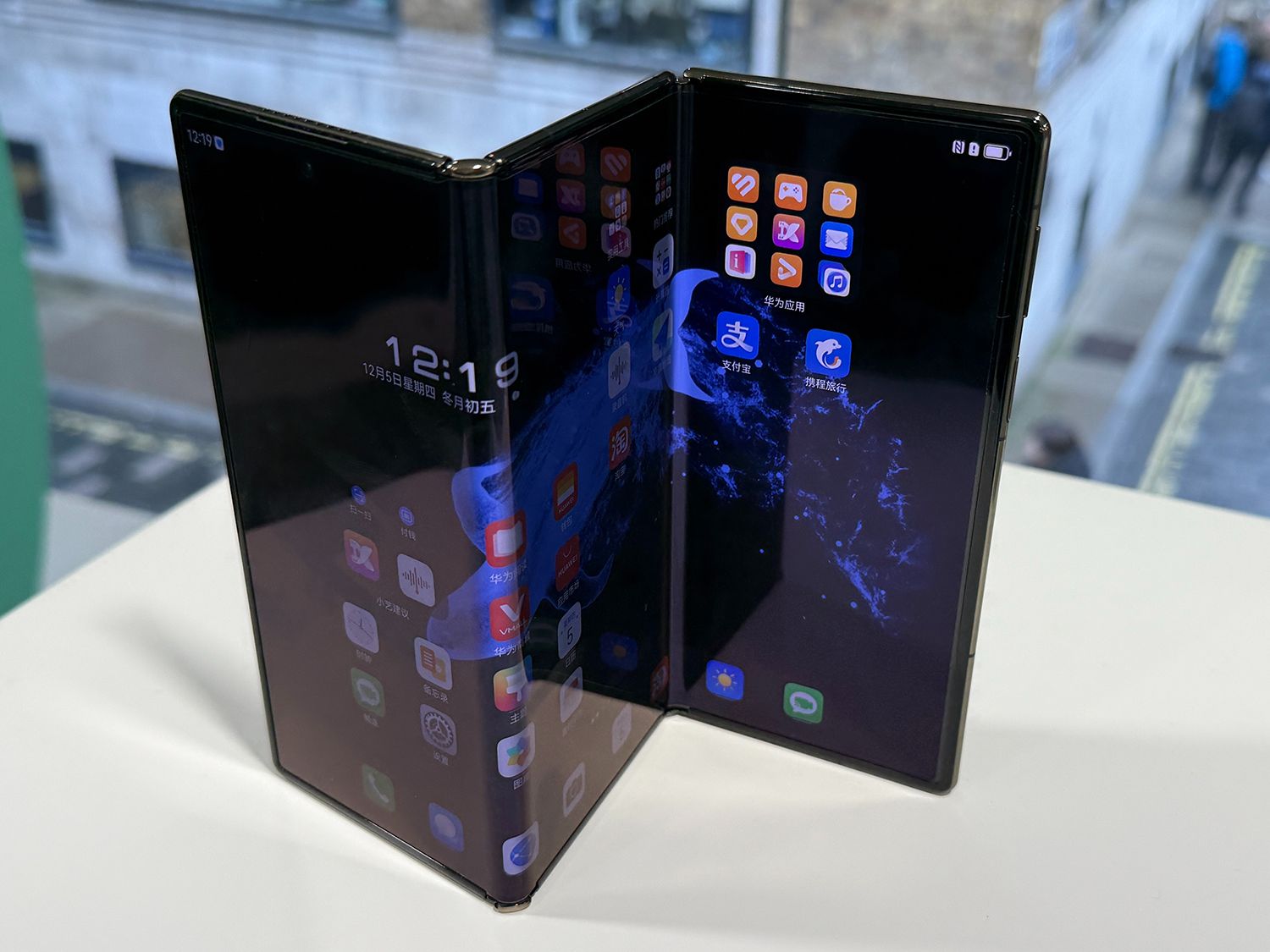
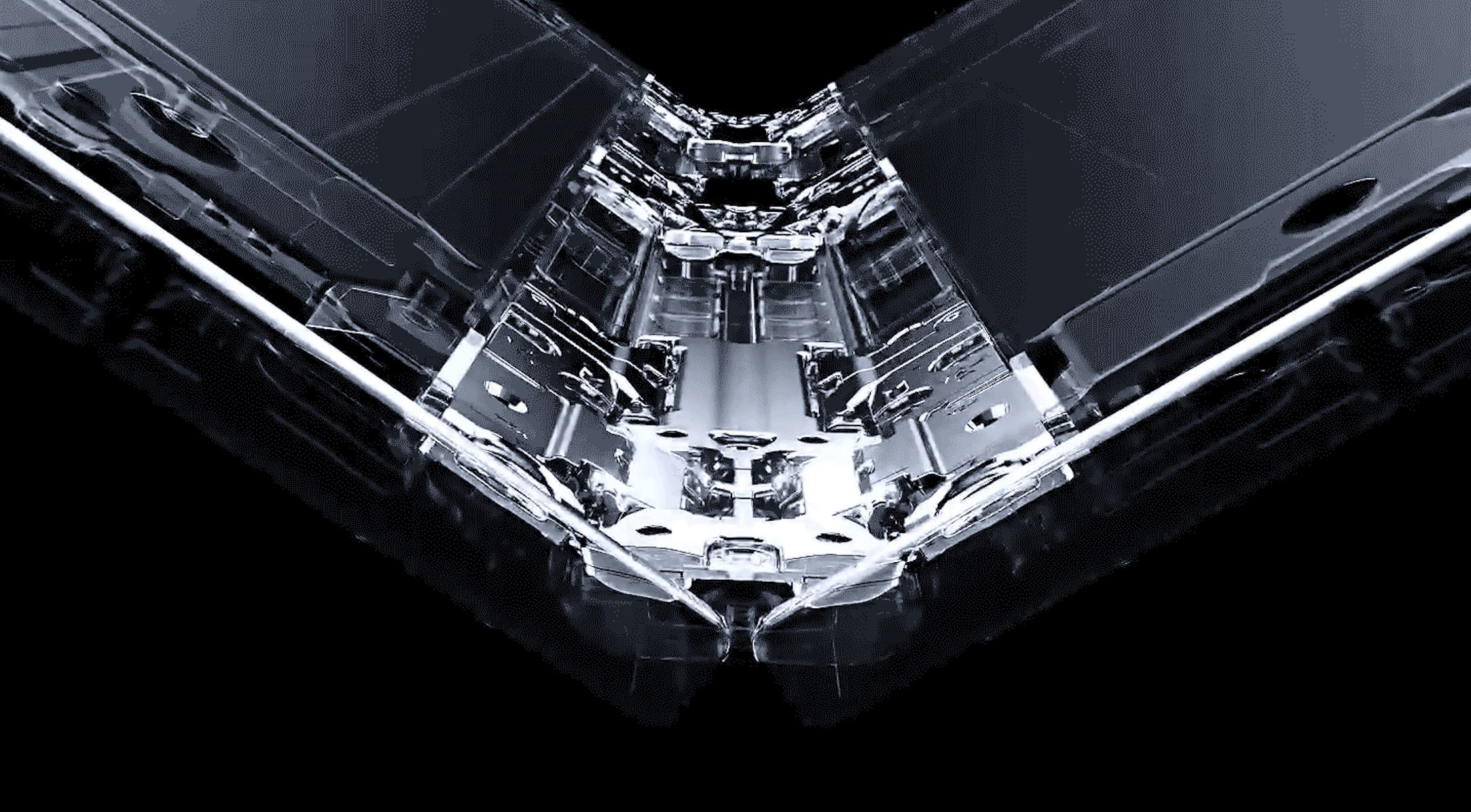
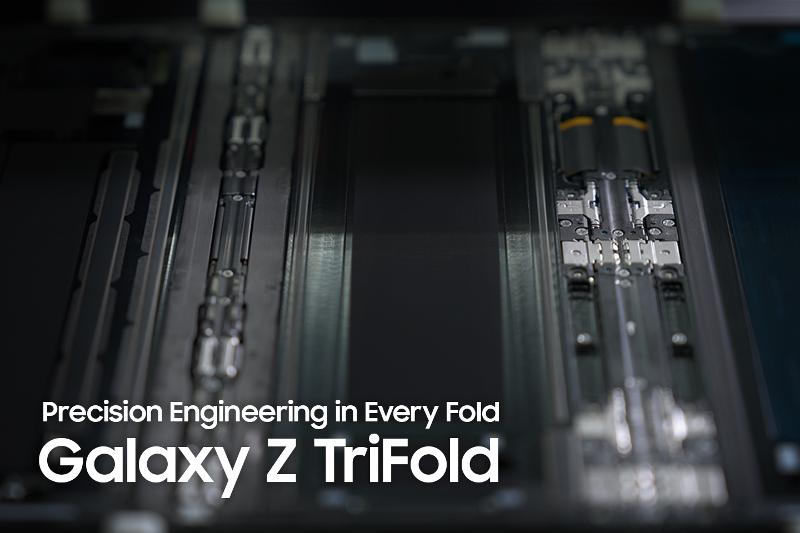
A single hinge is complex enough. Two hinges? Exponentially more difficult. The hinges must be differently sized to accommodate varying weight distribution across three panels. They must move in perfect harmony—open with satisfying fluidity, close with precision, yet withstand thousands of cycles without degradation.
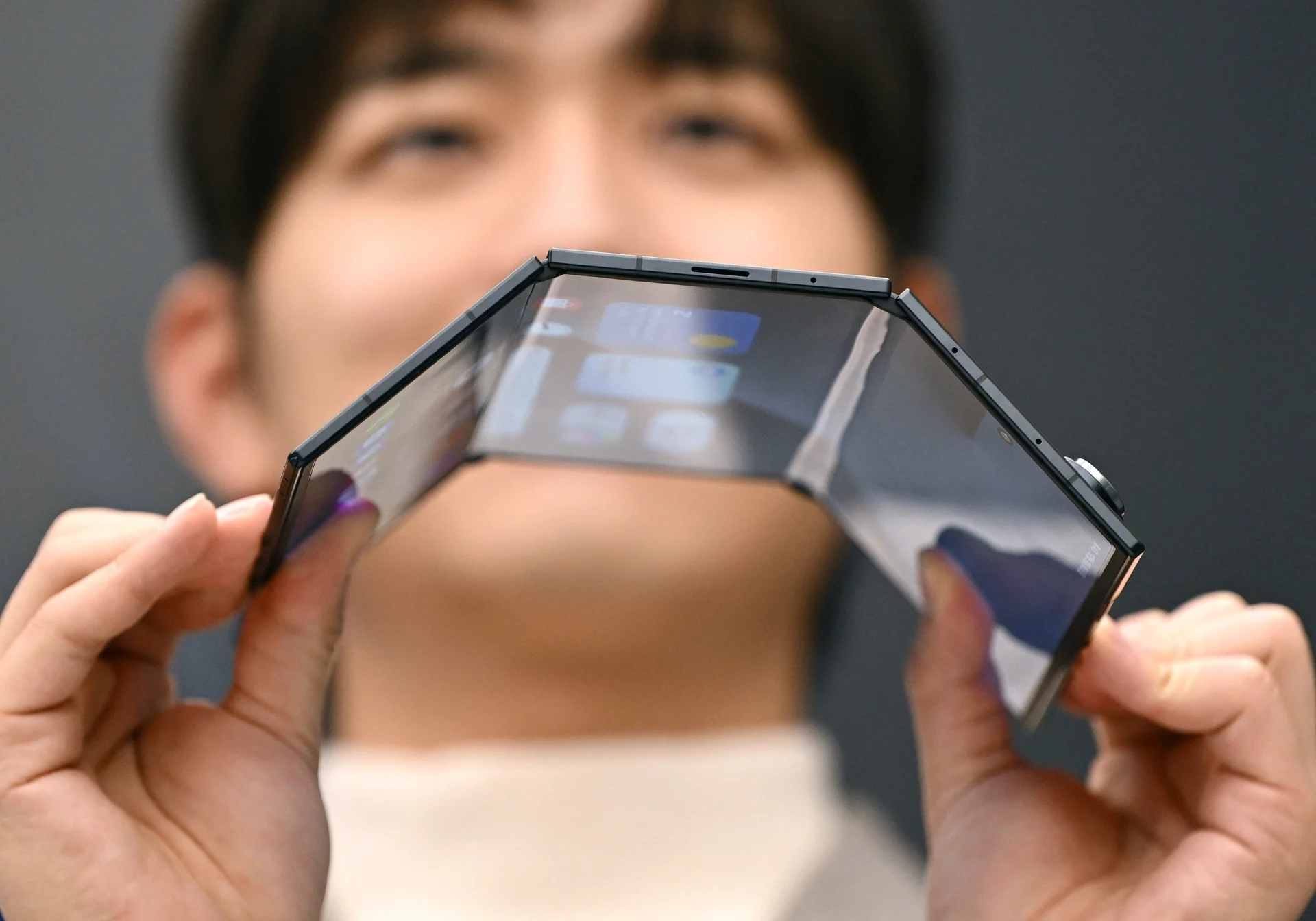
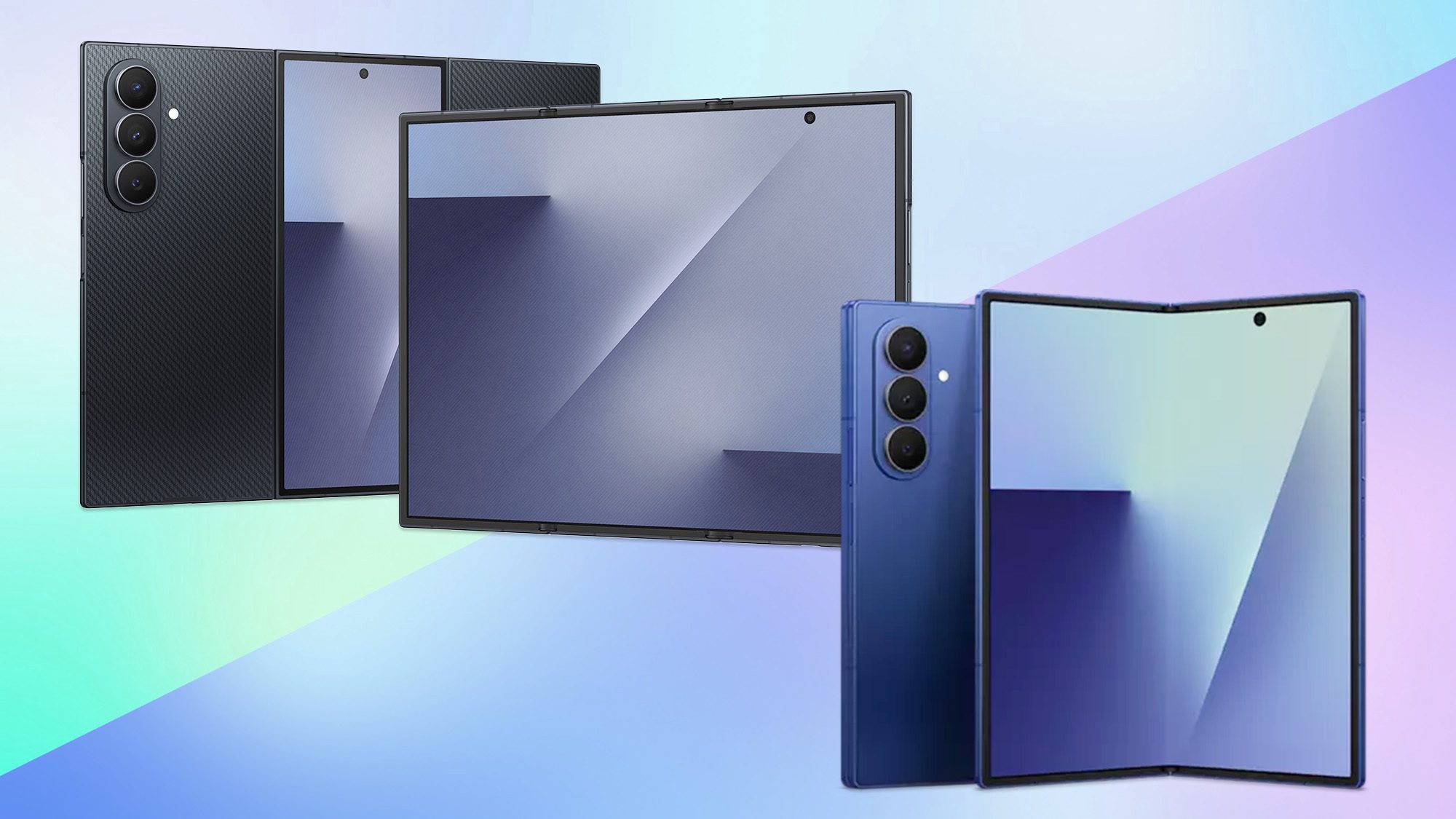
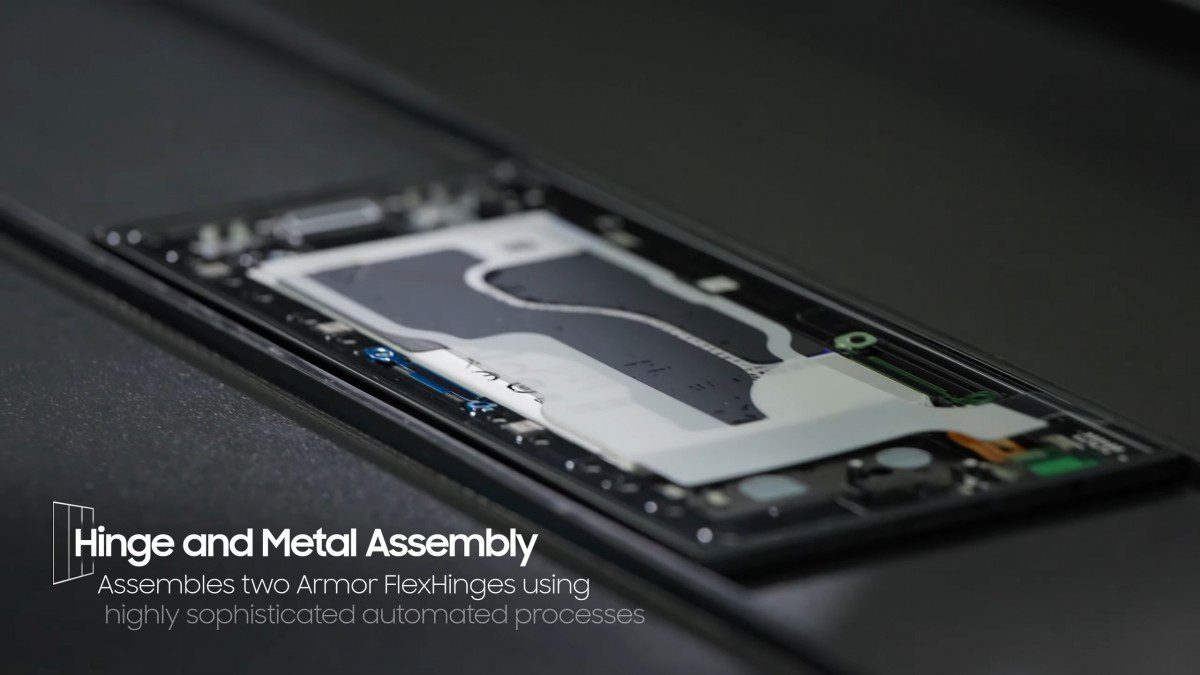
Samsung’s solution? The Armor FlexHinge with dual-rail structure. Instead of a single pivot point, the hinge operates through a sophisticated system that distributes stress across multiple contact points. The engineering is so refined that even with three panels, the device achieves a minimal gap between screens—a gap so small it essentially vanishes when folded.
Challenge 2: The Display Triptych
A foldable display is one thing. A display that folds twice enters different territory entirely. The main 10-inch screen must use reinforced overcoat technology bonded to shock-absorbing layers. Samsung added new display technology specifically engineered for dual-folding demands—components designed to withstand repeated flexing without image degradation or delamination.
The Dynamic AMOLED 2X technology delivers 1600 nits of brightness on the main screen and 2600 nits on the cover display. This isn’t vanity—in bright sunlight, visibility becomes the difference between usability and frustration. Samsung invested in display brightness not as a spec sheet number, but as a tangible quality-of-life feature.
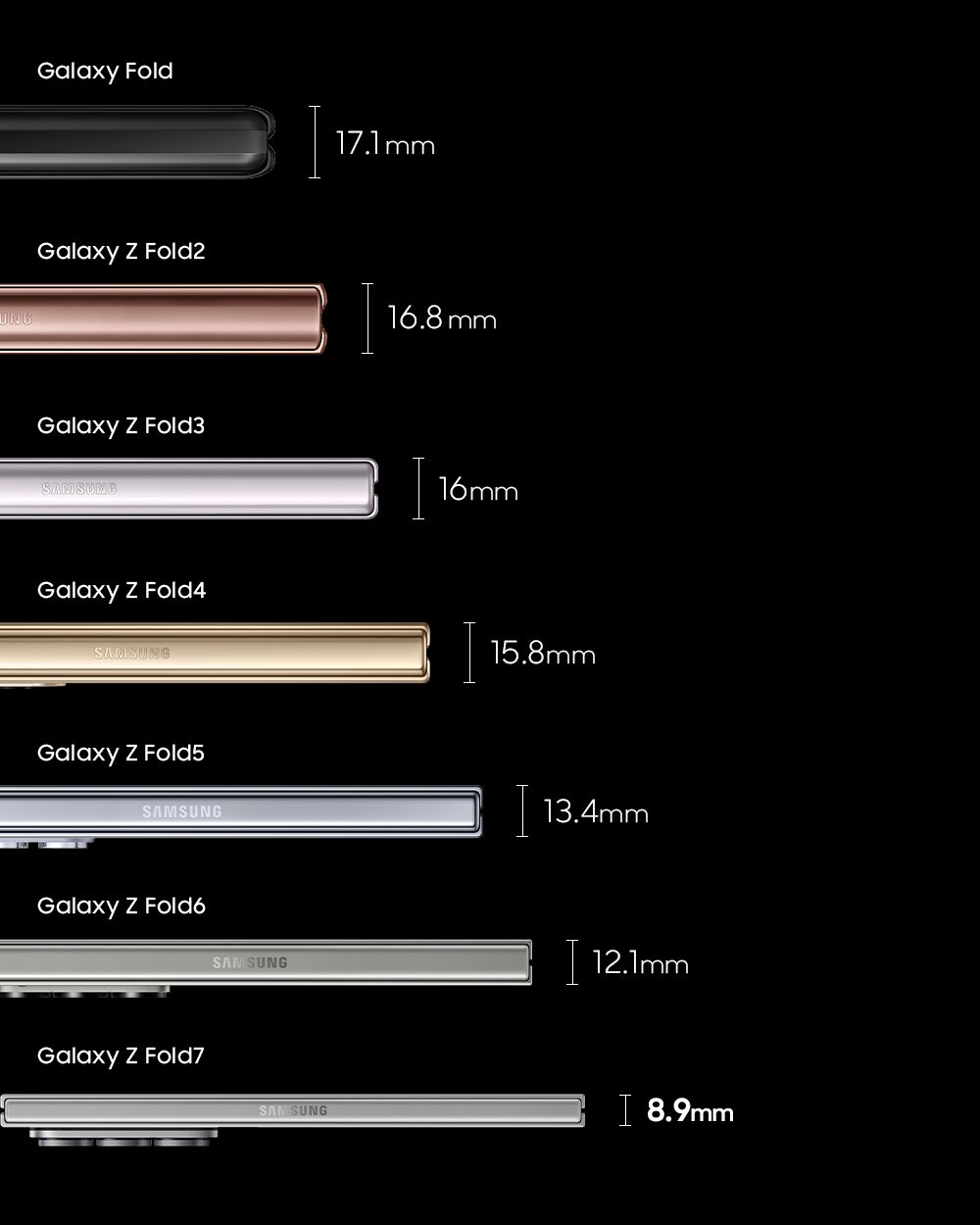
Challenge 3: The Thinness Paradox
Here’s the cruel mathematics of phone design: add functionality, and thickness increases. Add a larger battery, more components multiply. Add another fold, and suddenly you’re working with exponentially more complexity in the same footprint.
Yet Samsung achieved 3.9mm at the thinnest point. How? Through obsessive attention to micro-efficiency. A three-cell battery system distributed across all three panels ensures balanced power delivery without requiring a bulging center. Advanced Armor Aluminum reduces bulk while increasing rigidity. A ceramic-glass fiber-reinforced polymer back panel replaces heavier materials while improving crack resistance.
Every millimeter matters when you’re fighting physics.
Challenge 4: Durability as Philosophy
Samsung didn’t just engineer a phone that functions—they engineered a phone that endures. The Armor FlexHinge resists wear. The titanium hinge housing protects folding mechanisms. The reinforced display handles repeated flexing. But durability also meant something deeper: quality assurance at scales most manufacturers consider wasteful.
Every single Galaxy Z TriFold undergoes strict quality verification. CT scanning of flexible circuits verifies precise manufacture. Laser scanning ensures internal components sit at exact intended heights. This isn’t automation theater; it’s discipline born from understanding that one defective unit erodes trust in an entire category.
Challenge 5: The Software Paradox
Hardware innovation means nothing without software that understands it. How do applications behave on a 10-inch unfolded screen? How do notifications appear? How does multitasking adapt? What happens when you partially fold the device?
Samsung worked with Google and app developers to ensure the entire ecosystem evolved alongside the hardware. This wasn’t an afterthought—it was fundamental to the device’s conception.
The Discipline Behind Excellence
What’s often invisible in product announcements is the discipline required to maintain innovation standards while navigating global supply chain complexities, geopolitical tensions, pandemic aftershocks, and market pressures. Samsung’s decision to debut the Galaxy Z TriFold in only five markets initially—UAE, Korea, China, Taiwan, Singapore—reflects this discipline. Rather than pursue maximum volume, Samsung prioritized getting it right.
This is harder than it sounds. The pressure to launch broadly, to capture market share, to chase quarterly earnings—these forces are relentless. Yet Samsung’s leadership resisted. They invested additional resources in markets they selected, built hands-on discovery experiences in physical retail, and ensured every customer interaction reflected the care embedded in the product.
This is how a company maintains category leadership: not through hype, but through earned trust.
The Ten-Inch Revolution: How Screen Size Becomes Possibility
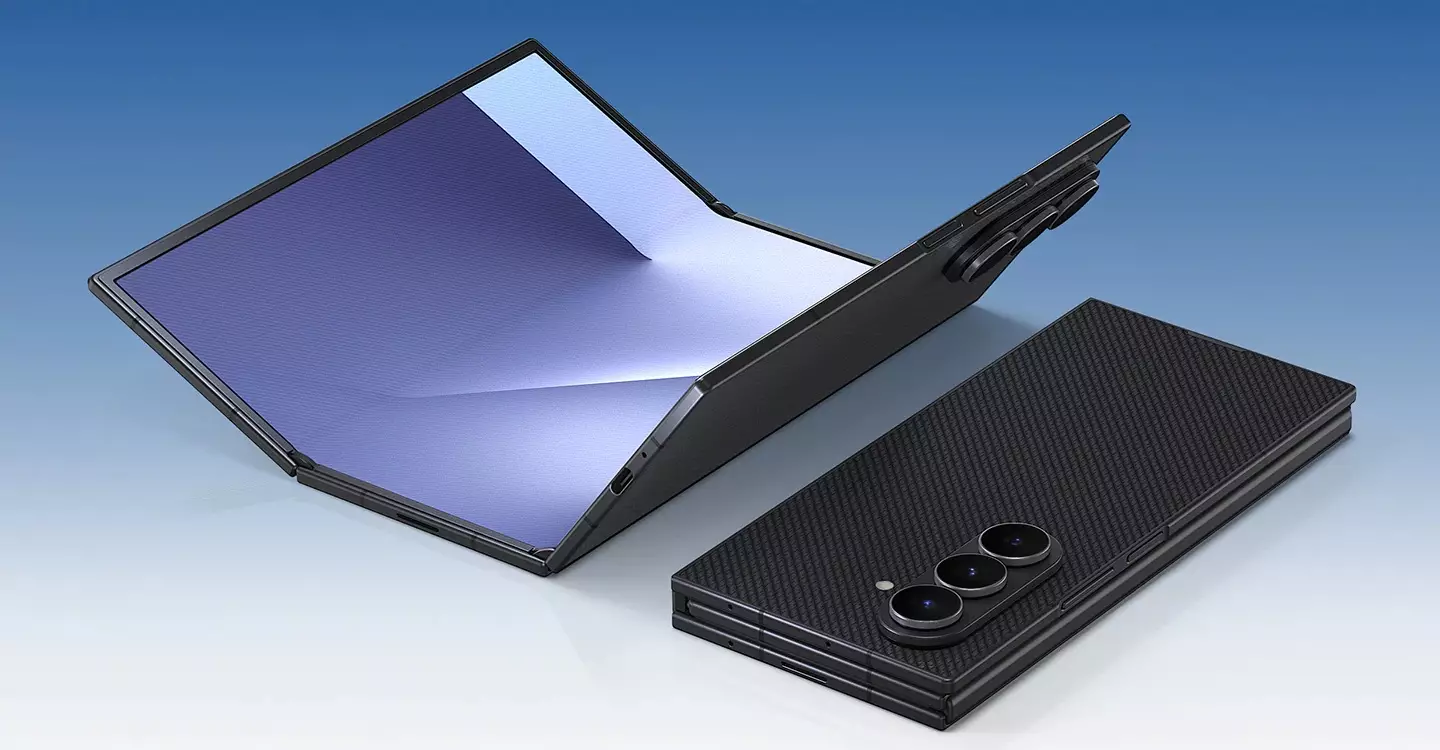
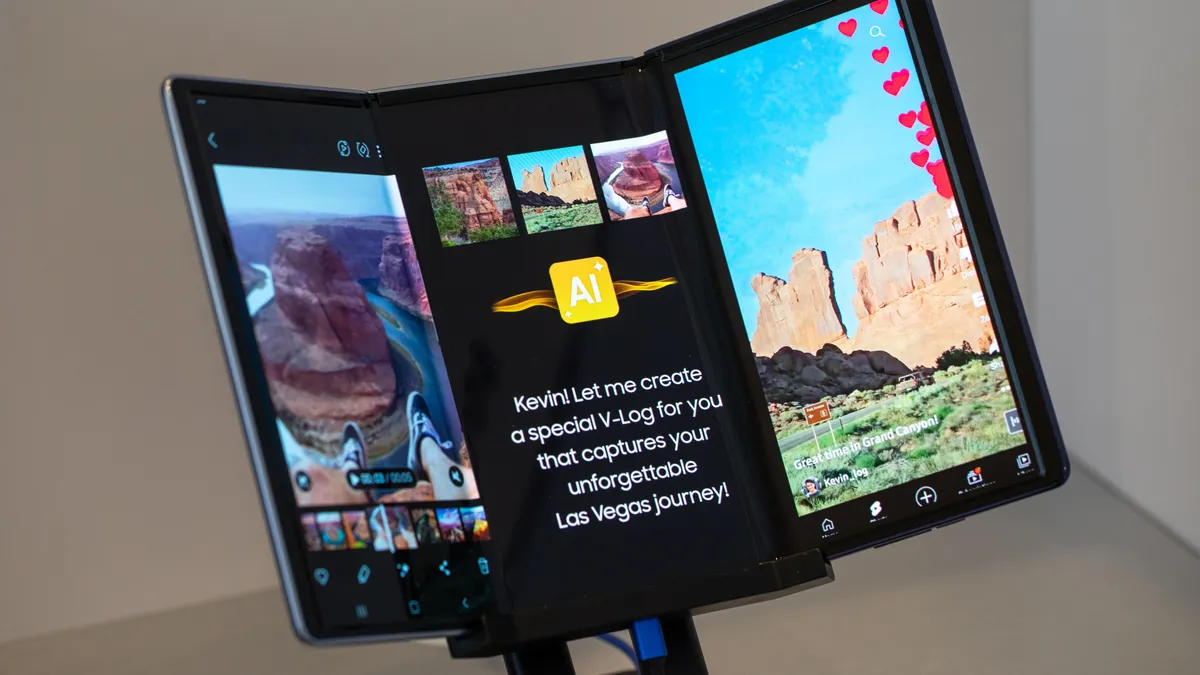
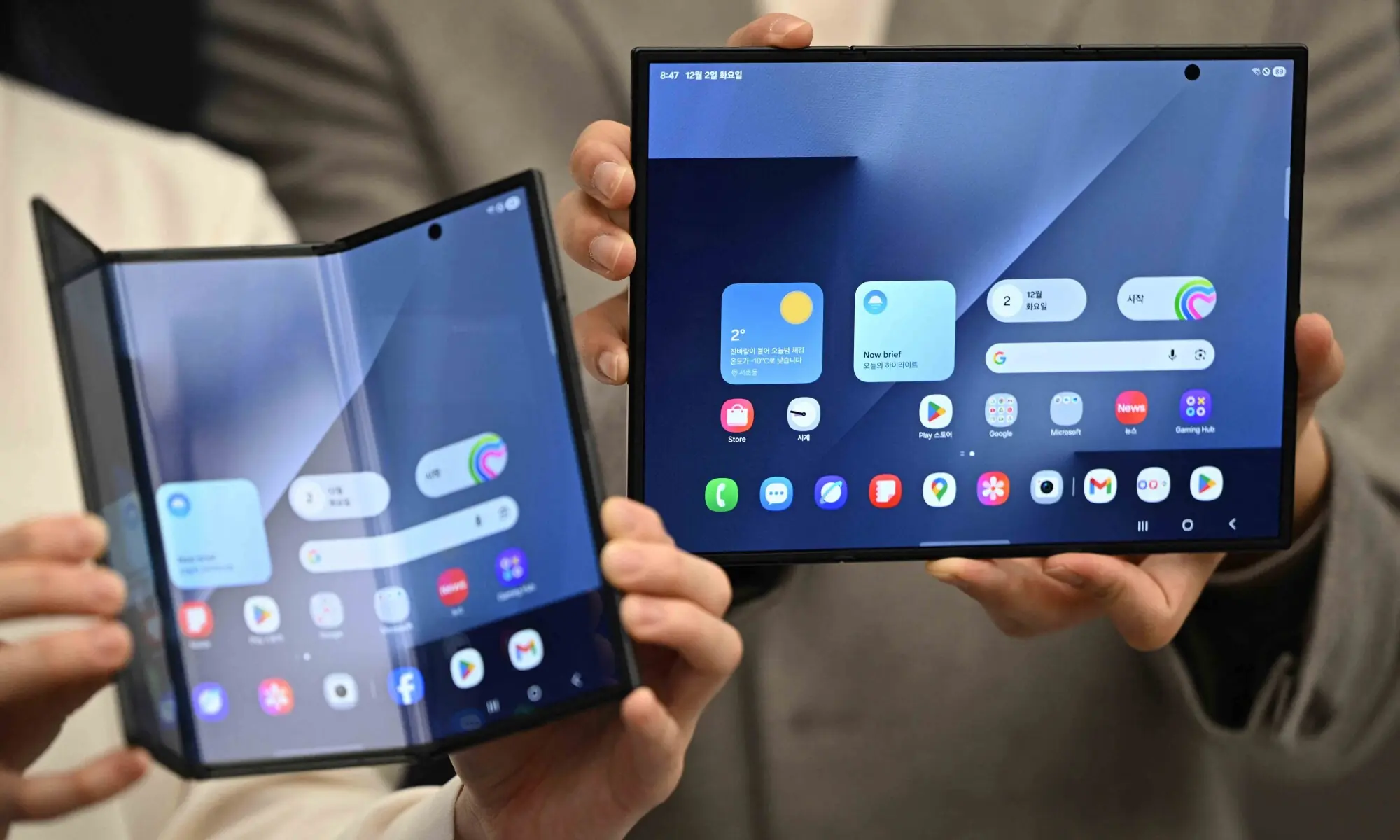
When the Galaxy Z TriFold unfolds completely, it reveals a 10-inch display. To understand the implications, consider this: a 10-inch screen is approximately equivalent to three 6.5-inch smartphones laid side by side. But it’s not just additive; it’s transformative.
A New Category of Work
Imagine an architect reviewing building blueprints without squinting at a 6-inch phone screen. Imagine manipulating CAD files across a display large enough to show detail without constant zooming. Now unfold it. Suddenly, she has a canvas that approximates her laptop—yet weighs 309 grams and fits in her messenger bag.
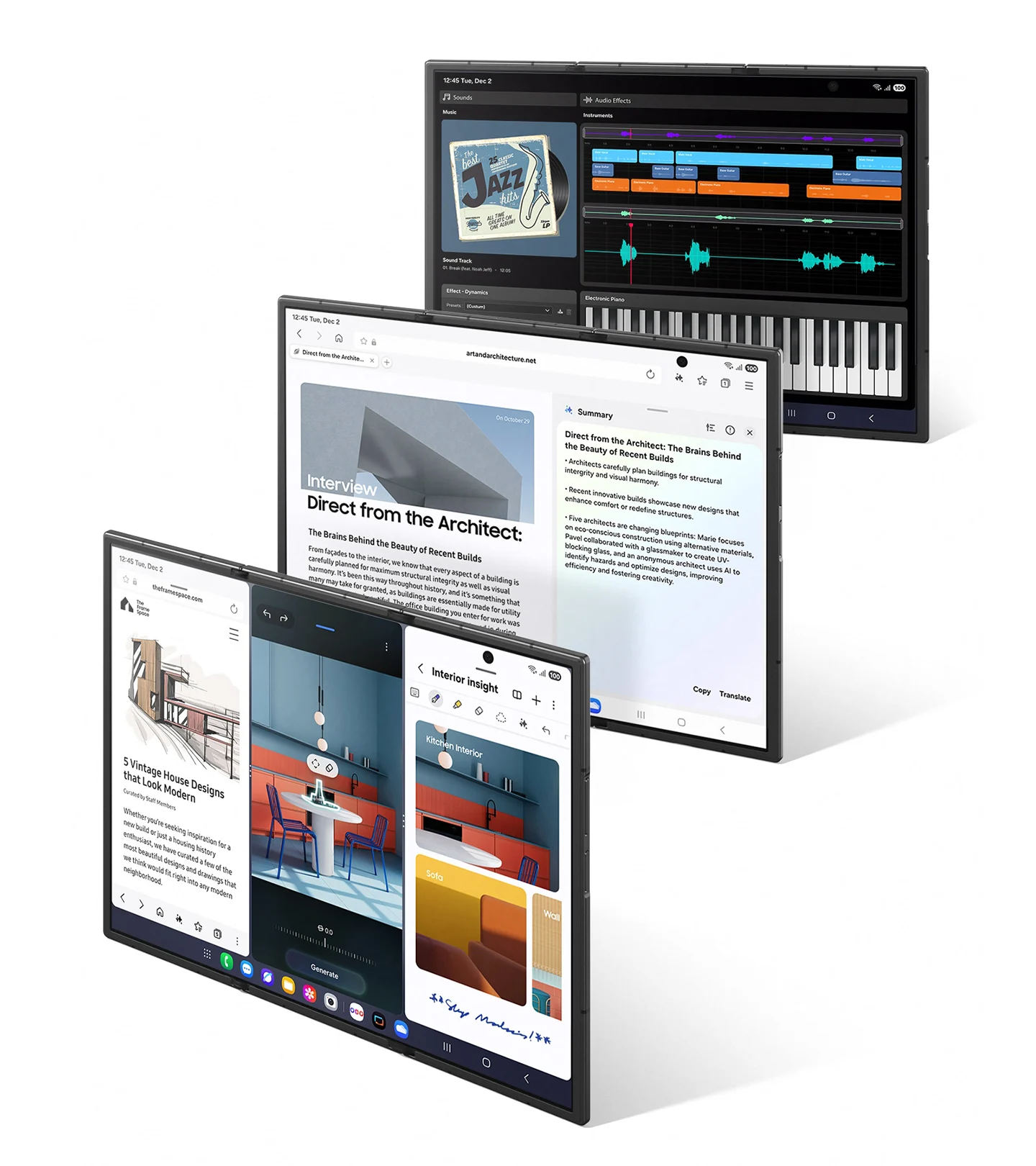
The 10-inch screen doesn’t simply make existing applications bigger. It fundamentally changes how they function. Samsung’s optimization of apps like My Files, Samsung Health, and DeX demonstrates this. These aren’t just scaled-up interfaces; they’re redesigned experiences that leverage the available canvas.
DeX: Desktop Computing in Your Pocket
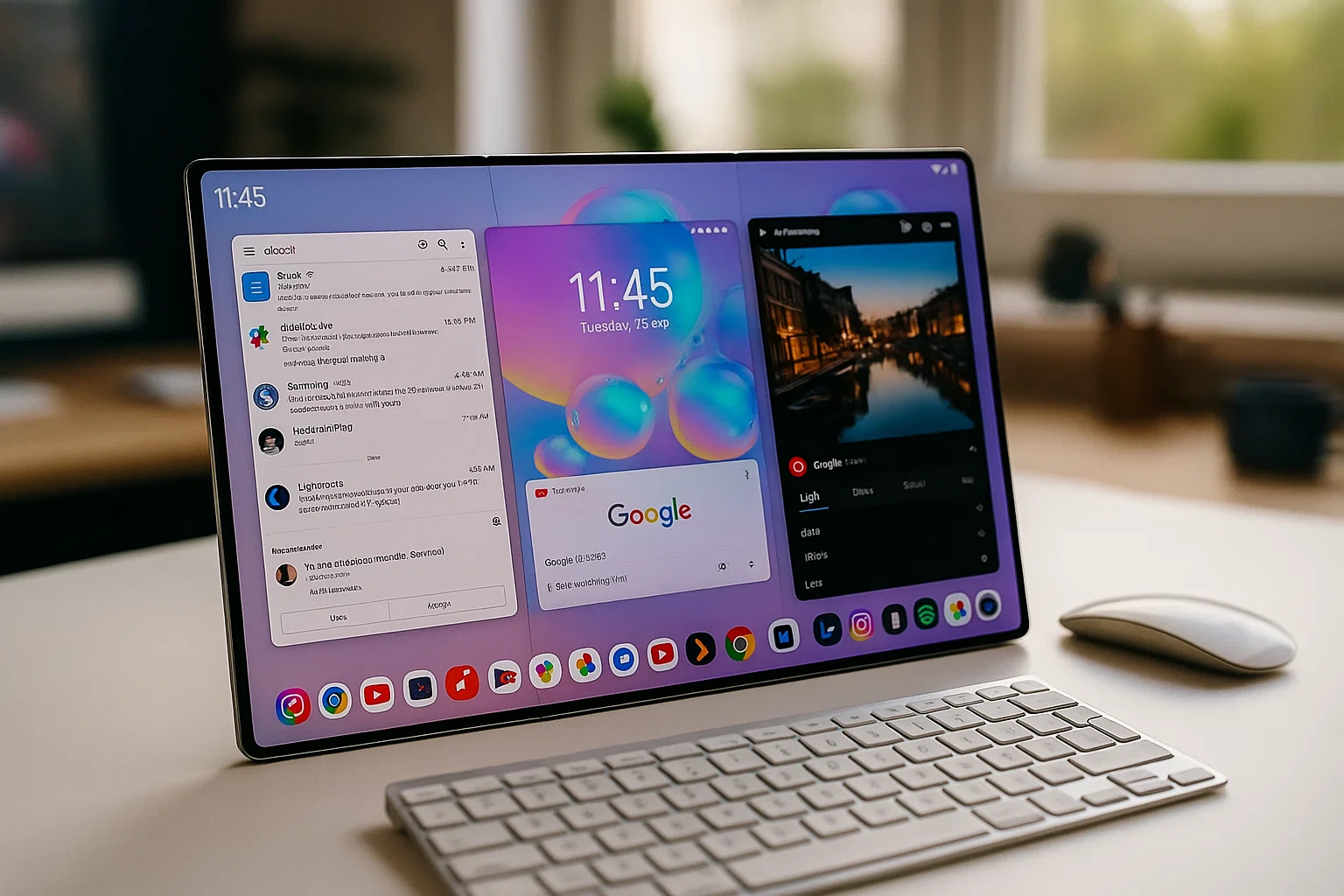
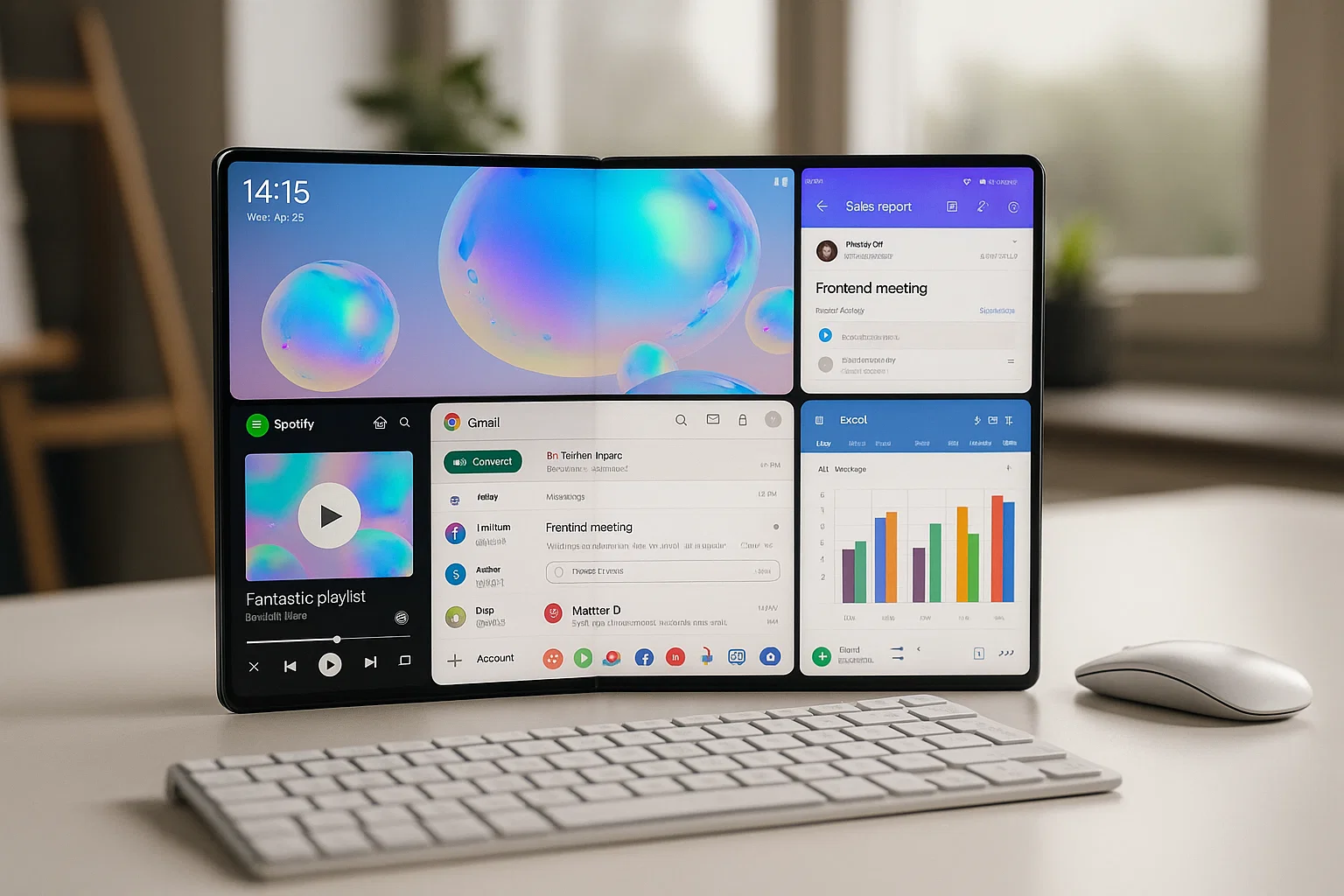
The headline many missed: Galaxy Z TriFold is the first Samsung phone to have standalone Samsung DeX available directly from Quick Settings. For those unfamiliar, DeX transforms a smartphone into a desktop environment. Imagine connecting your TriFold to an external monitor, mouse, and keyboard—suddenly you have a full workstation with five simultaneously running apps across four separate workspaces.
This isn’t theoretical productivity. This is: attending a video call while writing emails while reviewing documents while messaging colleagues. On a phone. Without compromise.
For remote workers, freelancers, digital nomads, and creative professionals, DeX represents a quiet revolution. The notion that a phone could replace a laptop for certain workflows seemed impossible three years ago. Galaxy Z TriFold makes it inevitable.
The Cinematic Canvas
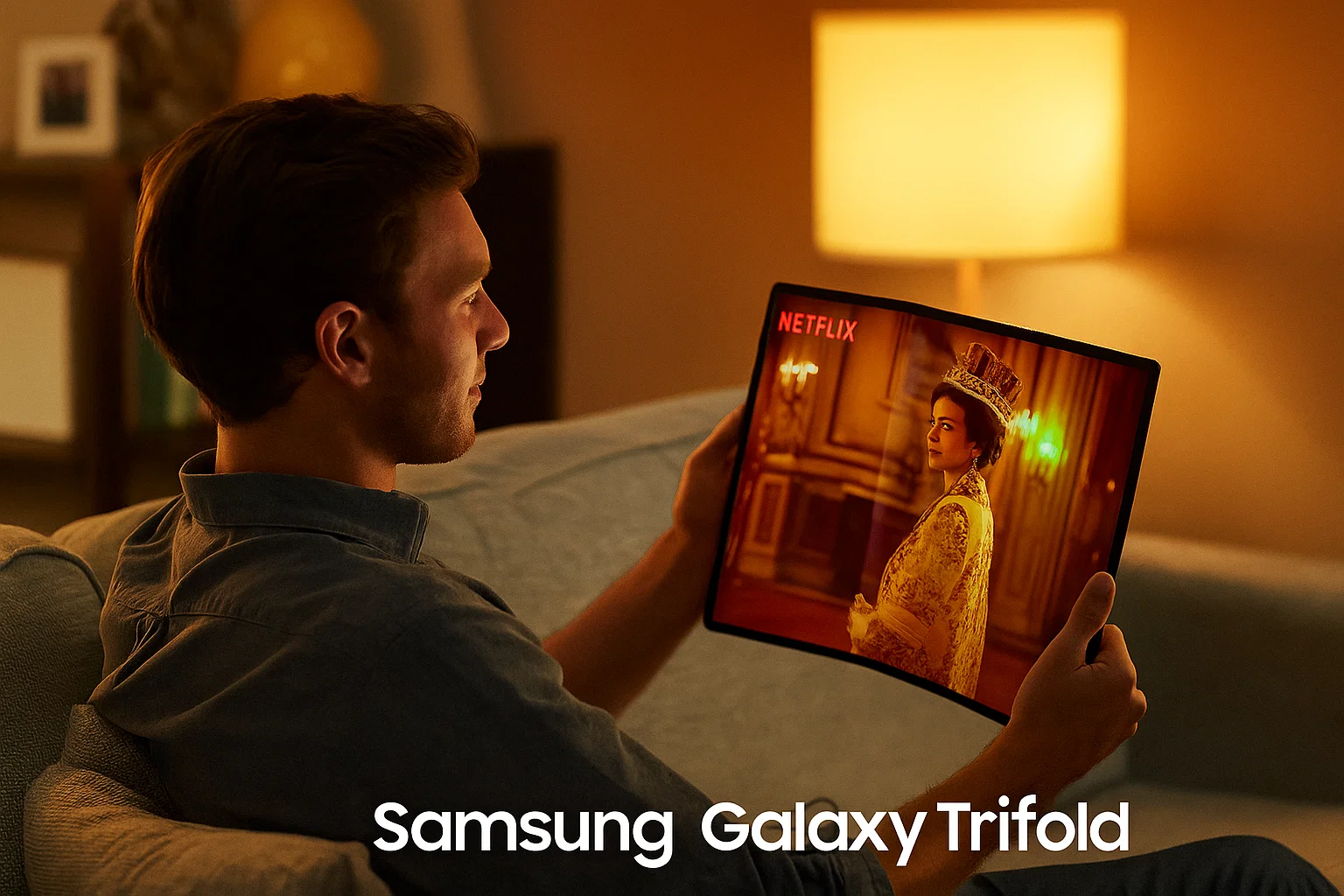
But productivity isn’t the entire story. The 10-inch screen is also an entertainment gateway. Watch YouTube videos with comments displayed side-by-side. Stream Netflix with the immersive, minimized-crease display delivering nearly seamless visuals. The Dynamic AMOLED 2X technology ensures colors remain vibrant and true whether you’re in bright daylight or a darkened room.
Minimized creasing deserves special mention because it reveals Samsung’s obsession with detail. The crease in previous foldables was—and remains—the most obvious visual reminder that this is, fundamentally, a folding device. Samsung hasn’t eliminated the crease entirely (physics prevents this), but they’ve minimized it to the point where content flows naturally across it.
Galaxy AI: Intelligence Scaled to the Expanded Canvas
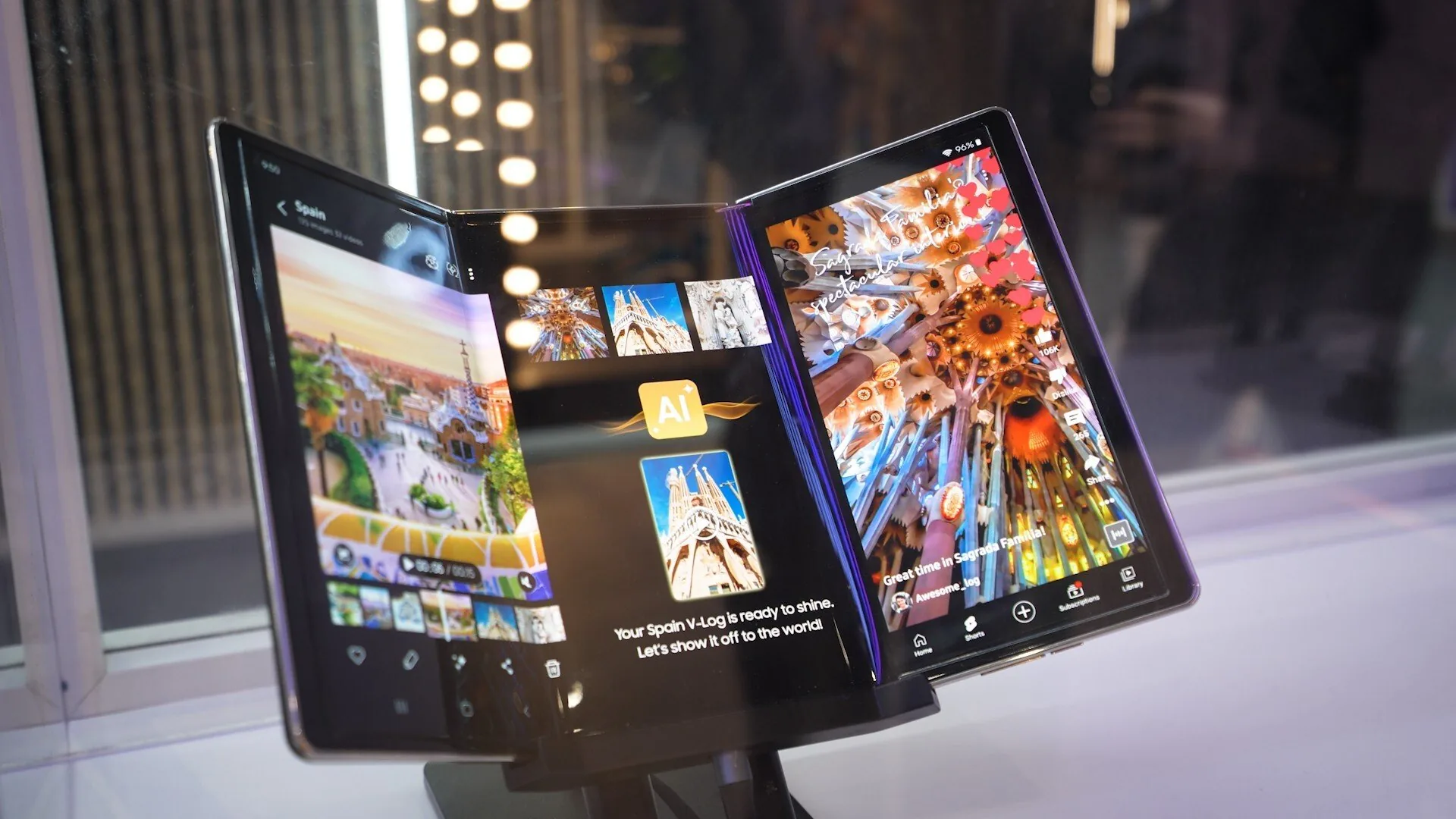
The 10-inch screen isn’t merely a bigger window on the same experience. Samsung has specifically optimized Galaxy AI features for this larger canvas, creating capabilities that simply aren’t possible on smaller devices.
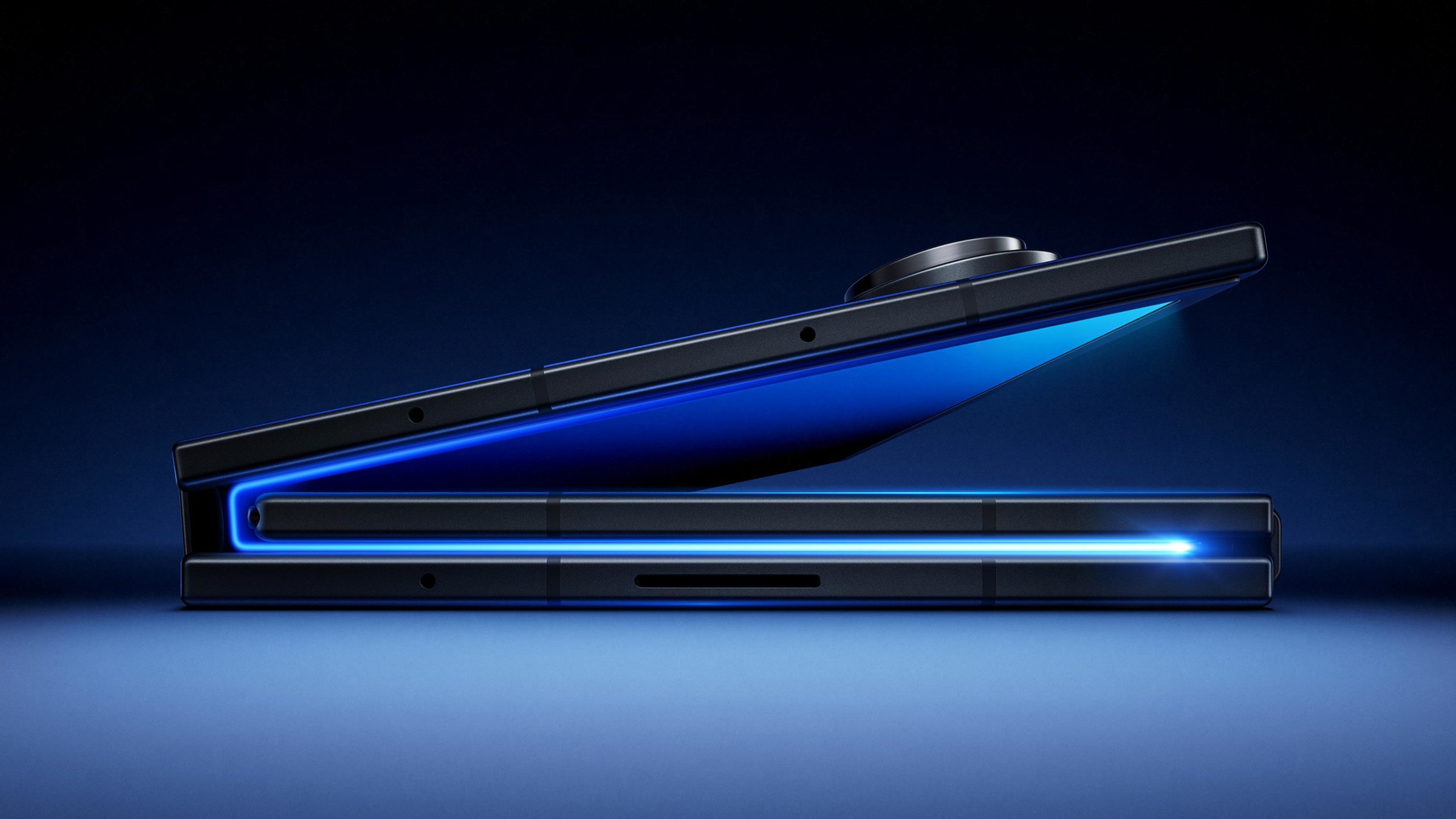
Photo Assist Reimagined
Galaxy AI’s Photo Assist suite—including Generative Edit and Sketch to Image—takes on new dimensions when displayed across 10 inches. Users can see before-and-after comparisons side by side without constant swiping. Making adjustments becomes more intuitive because the interface isn’t cramped.
Sketch to Image, which converts simple sketches into photorealistic images, becomes a genuine creative tool when you have room to work. Designers can sketch, adjust, compare, and refine all within one view.
Gemini Live: Contextual Intelligence
Google’s Gemini Live—integrated with Galaxy AI—becomes genuinely conversational on the TriFold. The multimodal AI understands what you see, say, and do simultaneously. Show it a room, a shopping website, and paint swatches. Gemini offers personalized decoration recommendations. The larger screen means more context visible at once, enabling smarter suggestions.
Screen sharing and camera sharing features transform troubleshooting and creative collaboration. Rather than describing a problem over the phone, show it to Gemini in real-time, see its suggestions, and iterate immediately.
Browsing Assist Evolution
Surfing the web on a foldable was always awkward—too much zooming, too much scrolling. The TriFold’s Browsing Assist addresses this by offering instant summaries and translations of content as needed. With more screen real estate, you can actually read articles without constant adjustment.
The Privacy Question: Galaxy Z TriFold and Your Data Sovereignty
In an era where “free services” are really “you are the product,” Samsung’s approach to privacy deserves emphasis. The Galaxy Z TriFold runs Android 16 with One UI 8, powered by Samsung Knox and Samsung Knox Vault.
This matters more than marketing language suggests.
Knox: The Security Architecture
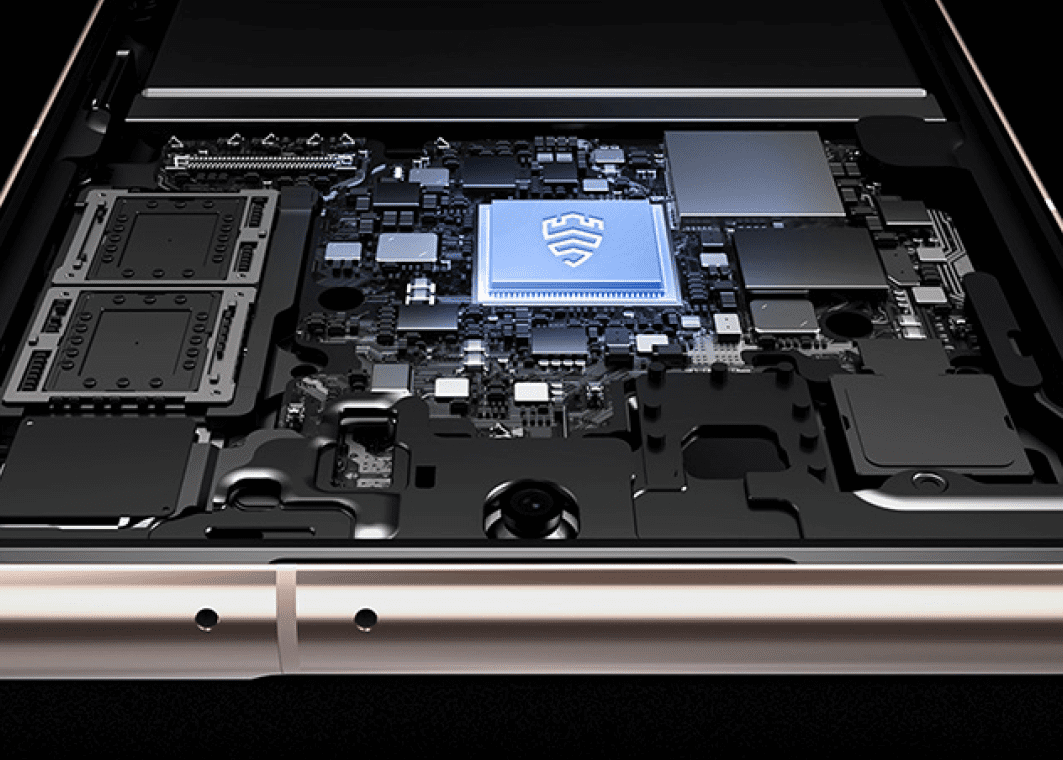
Samsung Knox isn’t new, but it deserves deeper exploration. Knox creates a “real-time kernel protection” system that monitors every operation at the processor level. If malware attempts to execute, Knox detects it before it runs. This real-time defense operates independently of the operating system, making it fundamentally more secure than traditional software-based protection.
For a device handling sensitive work files, creative projects, and personal data, this architecture isn’t optional—it’s essential.
Knox Vault: The Secure Compartment
Knox Vault creates a physically isolated secure area on the processor. Sensitive data—financial apps, health records, authentication credentials—can be isolated within this vault. Even if malware compromises the Android environment, Knox Vault remains protected because it operates on different hardware entirely.
This dual-architecture approach is precisely why enterprise customers, creative professionals, and security-conscious users choose Samsung. You’re not hoping your phone is secure; you’re operating within a fundamentally secure architecture.

The Absence: No Google Play Store Surveillance
While this isn’t Samsung’s direct action, it’s worth noting: users maintain the option to manage their own app ecosystem rather than being completely reliant on Google Play Store. This granular control—available through Samsung’s alternative app distribution methods—means you’re not forced into a single ecosystem’s data practices.
Samsung respects this choice. They understand that a truly powerful device should empower users to make decisions about their own data.
Comparative Analysis: Galaxy Z TriFold Against the Elite Four
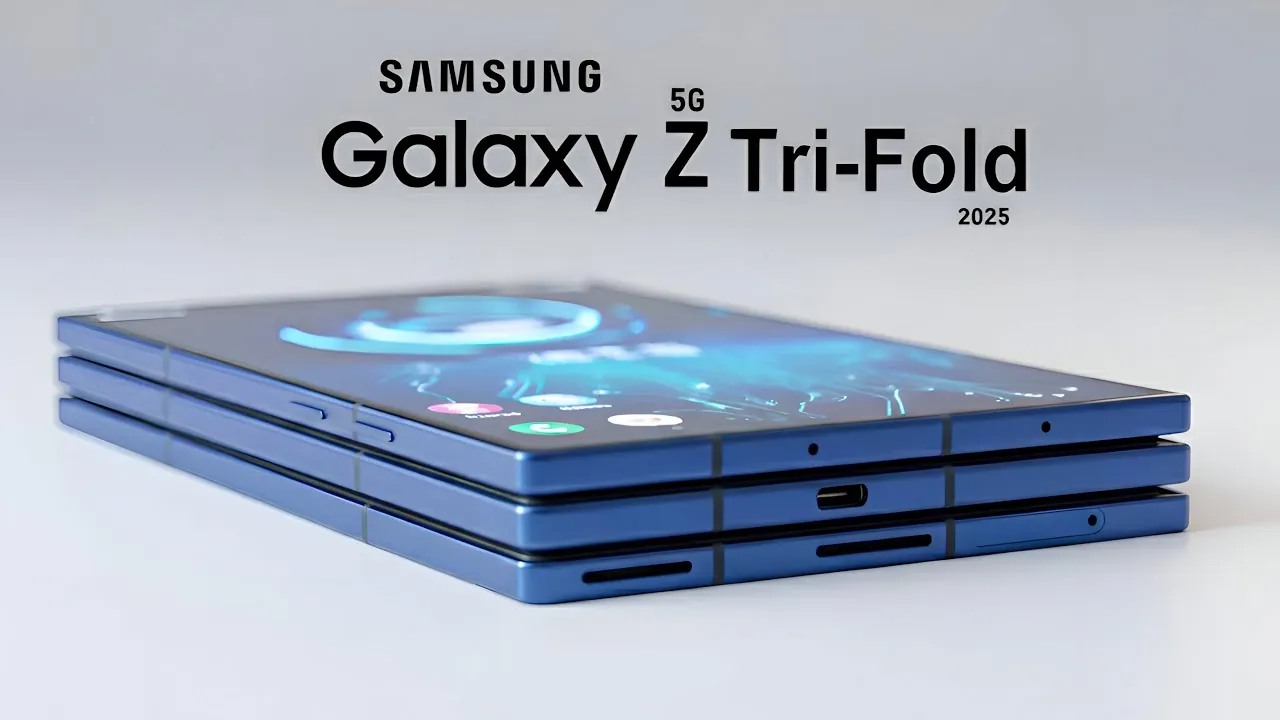
How does the TriFold perform against other premium innovations in 2025?
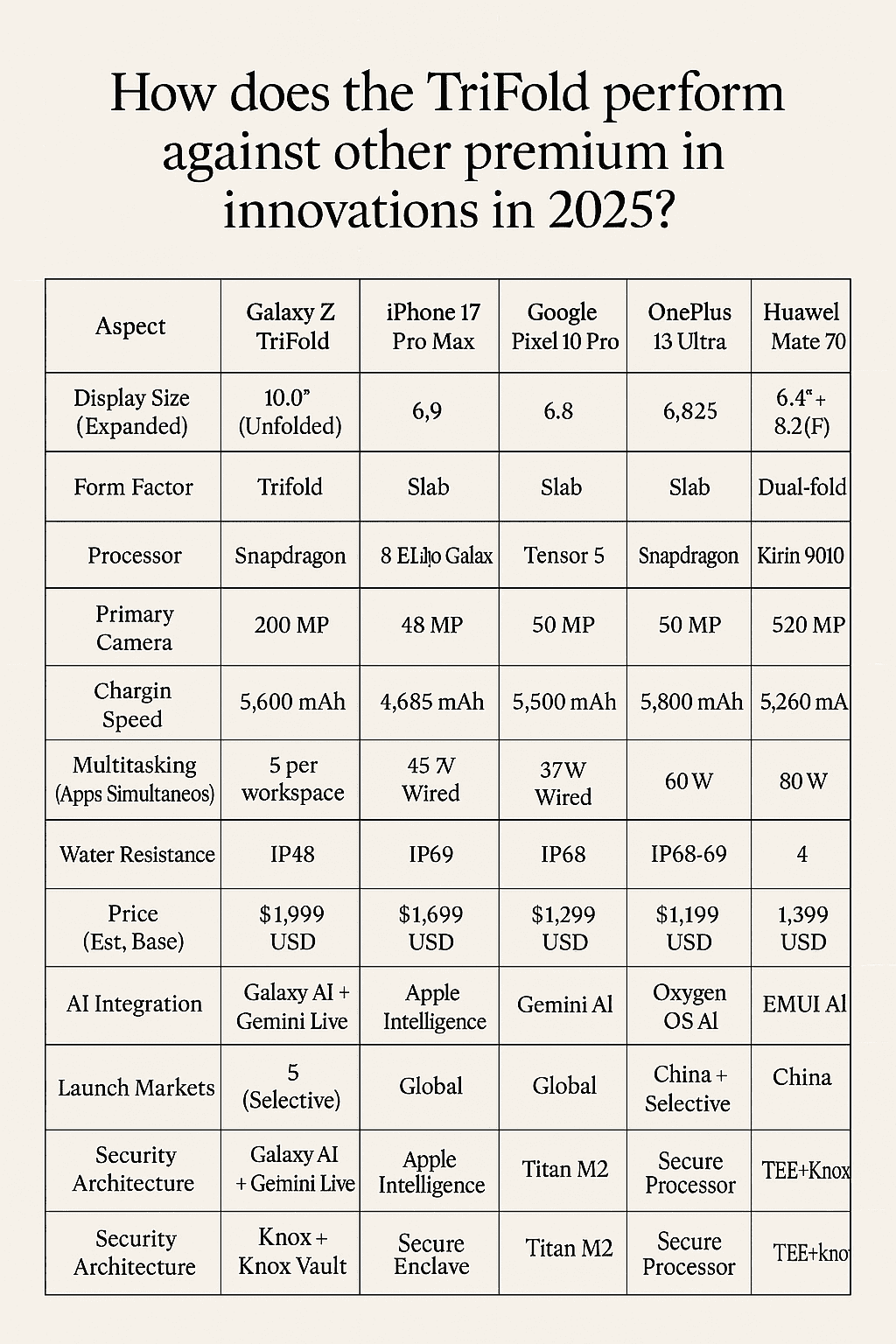
Analysis:
The TriFold’s positioning becomes clear in this context. It’s not the cheapest. It’s not the fastest in raw benchmarks. But it’s the only device that genuinely answers the “portability + productivity + premium performance” equation.
The iPhone 17 Pro Max remains the ecosystem leader for those invested in Apple. Pixel 10 Pro dominates photography AI. OnePlus 13 Ultra offers value and speed. Huawei Mate 70 leads in innovation for markets where Google services aren’t available.
Yet none offer what the TriFold offers: a screen that expands from pocket-sized to tablet-scale while maintaining flagship performance and a form factor that doesn’t shout “I’m carrying a foldable.” The minimized crease, the refined hinge, the disciplined thickness—these details matter to those who use their phones as genuine productivity devices.
Real-World Impact: How the TriFold Solves Contemporary Challenges
Innovation without application is merely novelty. Let’s explore how the TriFold addresses genuine modern challenges:
Challenge 1: The Remote Work Paradox
Millions now work from anywhere. Coffee shops, coworking spaces, hotel rooms, home offices. They carry laptops, but often don’t need the full laptop experience. The TriFold changes this equation. Unfold it, connect a Bluetooth mouse and keyboard, access DeX, and you have a desktop workspace. No laptop needed.
For businesses, this means reduced hardware costs. For workers, it means one device instead of two.
Challenge 2: Creative Professionals Demand Larger Canvases
Designers, photographers, video editors, and artists have been frustrated by smartphone limitations for years. The TriFold’s 10-inch screen, combined with Galaxy AI’s creative tools, brings pro-level capabilities into a pocket-sized form factor.
Photo editing, video review, design mockups—all become genuinely feasible on the TriFold without constant frustration from screen limitations.
Challenge 3: Global Communication Requires Presence
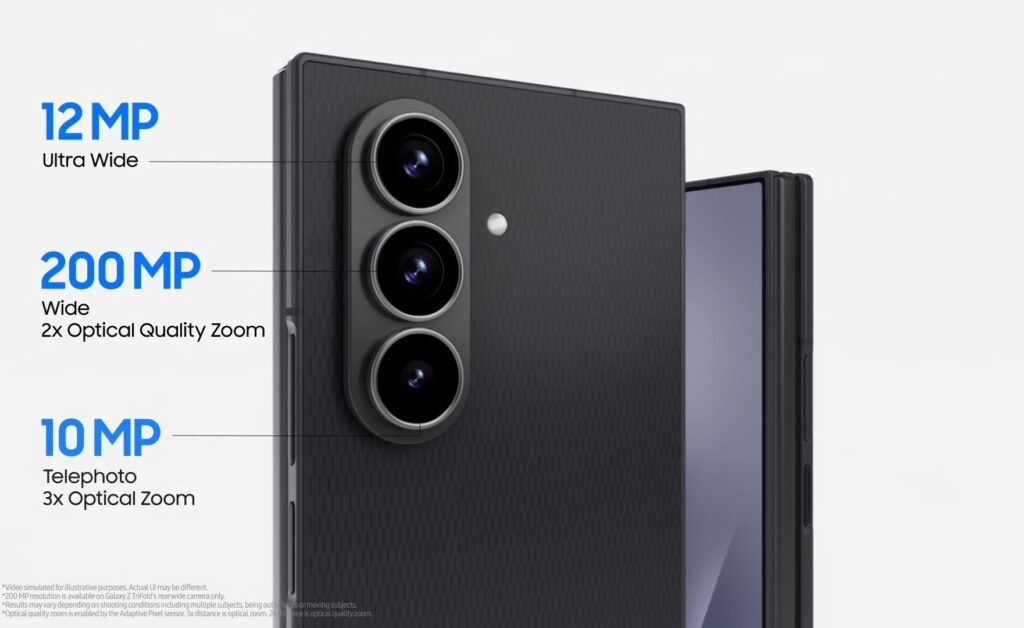
Video calls remain central to how we connect. The TriFold’s camera setup (10MP front on both cover and main screen) ensures you’re always positioned correctly for a professional call. The large display means you can see participants clearly without squinting.
For international teams, this matters deeply.

Challenge 4: Content Consumption Has Splintered
We watch YouTube, Netflix, TikTok, and stream content from dozens of sources. The TriFold’s 10-inch, high-brightness display unifies this experience. Stream from anywhere with the assurance that content looks exceptional.
Challenge 5: Data Security Concerns Persist
The TriFold’s Knox architecture, combined with Knox Vault and rigorous privacy controls, addresses the legitimate anxiety many feel about data. For professionals handling sensitive information, this architecture provides measurable peace of mind.
The Comparison That Matters: TriFold Versus Its Predecessor
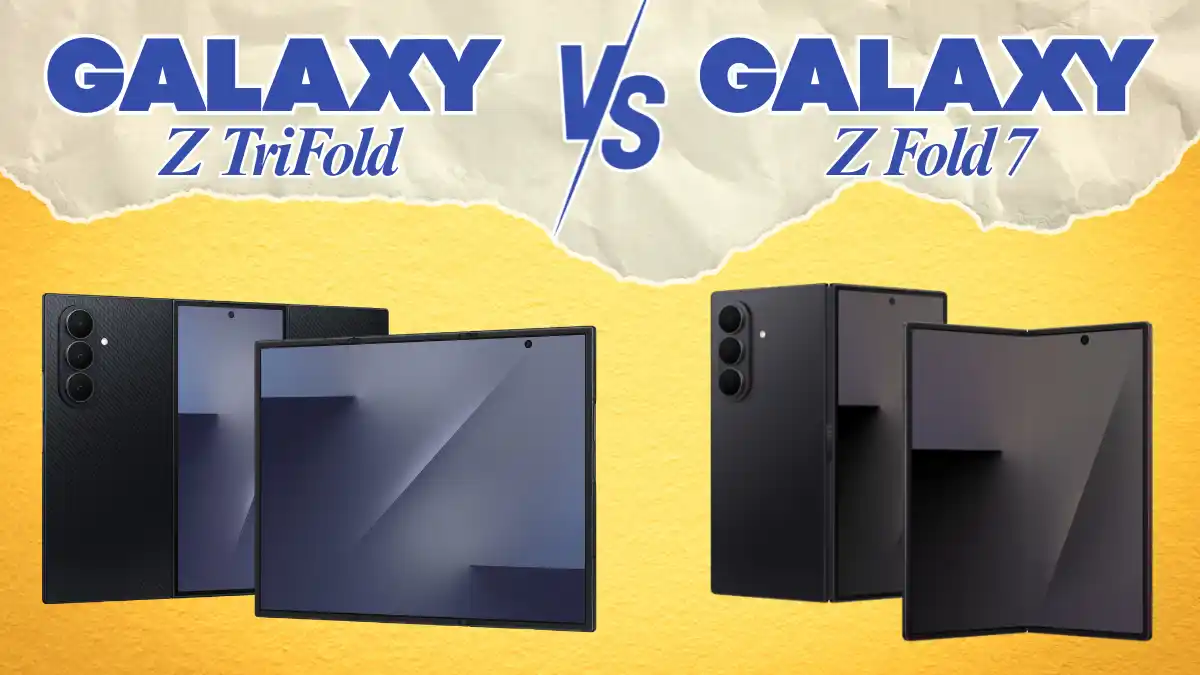
Understanding the evolution from Galaxy Z Fold6 to Galaxy Z TriFold reveals Samsung’s methodology:
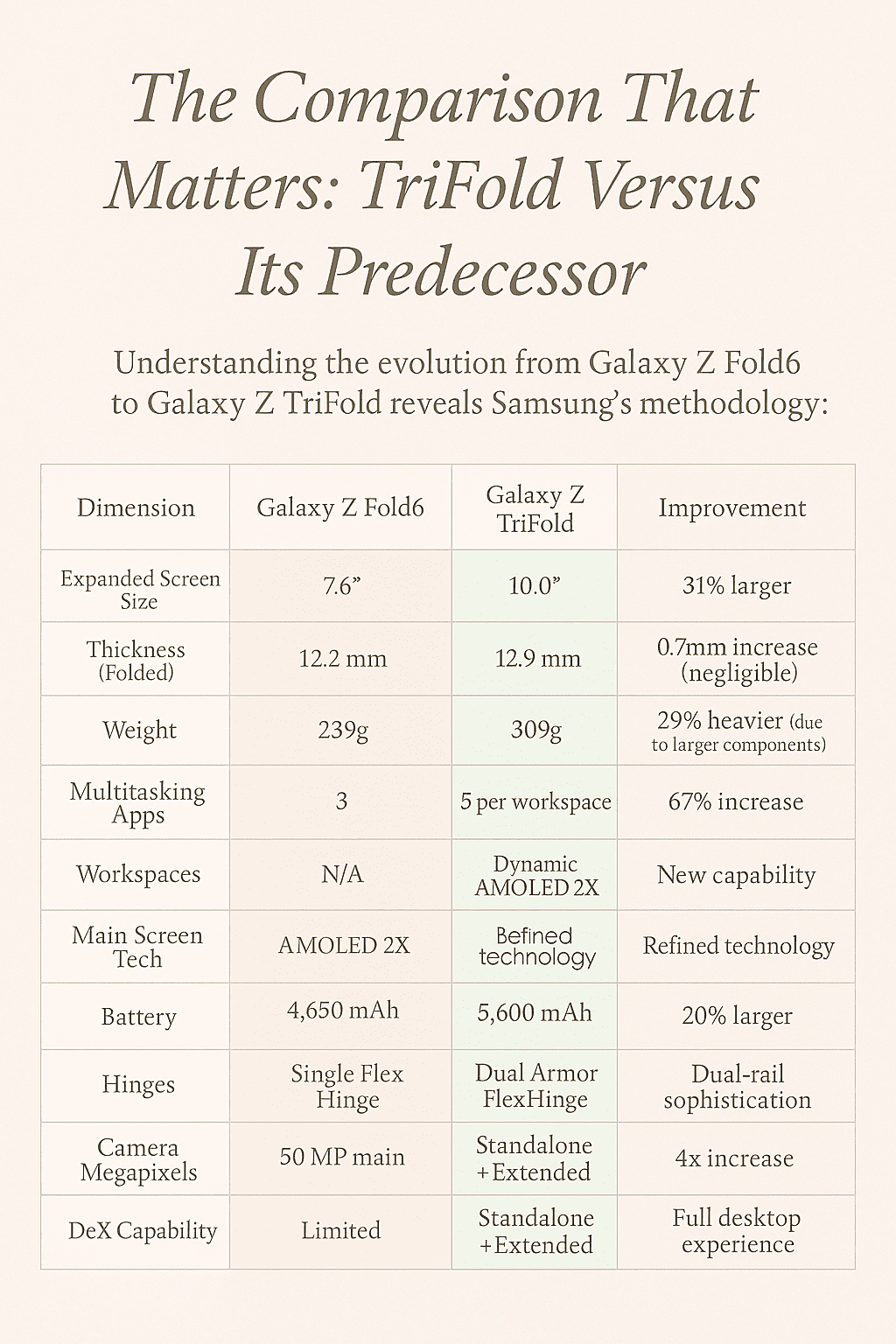
The TriFold represents a substantial evolution, not a minor refresh. The weight increase reflects the larger screen and battery, not unnecessary bulk. The 31% screen expansion translates to measurably different daily usage pattern

The Broader Narrative: When Challenges Become Opportunities
Samsung’s journey with the Galaxy Z TriFold illustrates a principle increasingly central to innovation success: challenges are inverted opportunities.
When the industry said foldables were impractical, Samsung saw possibility. When skeptics noted the crease problem, Samsung invested in solving it. When supply chains fractured during global disruptions, Samsung refined their approach to quality assurance and regional manufacturing.
Every obstacle became a catalyst for deeper thinking, more sophisticated engineering, and ultimately, a better product.
This philosophy permeates Samsung’s organizational culture. The company doesn’t view setbacks as failures to avoid; they view them as information to incorporate. When the original Galaxy Fold launch faced durability criticisms, Samsung didn’t retreat—they doubled down, investing additional resources into hinge refinement, material science, and quality verification.
The payoff: today’s foldables are demonstrably superior to five-year-old iterations. And the Galaxy Z TriFold represents the culmination of that patient, iterative excellence.
The Discipline of Long-Term Thinking
In an industry obsessed with quarterly metrics, Samsung’s willingness to take calculated risks over extended timeframes stands out. The company invested billions in foldable research and manufacturing infrastructure before market viability was proven. They absorbed criticism. They iterated. They refined.
This is harder than it appears. It requires organizational discipline to resist pressure for rapid returns on investment. It demands leadership that sees innovation as a multi-year marathon, not a sprint.
The Galaxy Z TriFold exists because Samsung maintained this discipline through market skepticism, supply chain disruptions, and competitive pressures. They believed in the category even when the category was barely profitable.
The Human Element: Innovation Driven by Empathy
Perhaps the most overlooked aspect of the TriFold’s development: it was designed through deep observation of how people actually use their phones. Samsung’s research teams didn’t simply ask customers what they wanted; they watched and listened to how existing devices fell short of their aspirations.
Architects wanted bigger blueprints. Designers needed larger canvases. Creatives desired more multitasking capability. Remote workers craved desktop experiences without desktop bulk.
The TriFold addresses these observations not through marketing spin, but through genuine capability.
FAQ: Everything You’ve Wondered About Galaxy Z TriFold
Q: Isn’t a three-fold phone just too complicated?
A: Complexity in engineering doesn’t translate to complexity in use. The TriFold’s hinge mechanism is sophisticated, yes—but opening and closing feels intuitive. Samsung refined this through countless iterations. It’s like asking if cars are “too complicated” because they have thousands of components; sophistication becomes invisibility when execution is flawless.
Q: Will the screen crease bother me?
A: The crease exists—physics mandates it. But Samsung has minimized it substantially. Most users report the crease becomes invisible during daily use, noticed primarily when looking for it in certain lighting. For content consumption and productivity, it’s negligible.
Q: How durable is the folding mechanism?
A: Samsung’s quality assurance process is rigorous. The Armor FlexHinge undergoes testing for thousands of cycles. Real-world usage suggests previous-generation foldables remain functional after five years of daily use. The TriFold’s refined hinge should perform equivalently or better.
Q: Can I really use this for professional work?
A: Yes. DeX enables a desktop-class experience. Connect to an external monitor, mouse, and keyboard, and the TriFold becomes a full workstation. Professionals in design, development, writing, and project management find it genuinely viable for 70-80% of work tasks.
Q: What about water resistance?
A: The TriFold achieves IP48 rating—protection against dust and water submersion up to 1.5 meters for 30 minutes. It’s not beach-proof, but it handles accidental spills and rain without issue.
Q: How long is the battery?
A: All-day endurance is typical with the 5,600 mAh system and optimized One UI 8. Heavy users (constant multitasking on the large screen) might see reduced battery life, but most users report genuinely all-day performance.
Q: Is 45W charging fast enough?
A: 45W charging delivers 50% capacity in approximately 30 minutes. It’s not the fastest available (OnePlus offers 100W+), but it’s practical. Combined with all-day battery life, you rarely need emergency charging scenarios.
Q: How much does the TriFold cost?
A: Base configuration starts around $1,899 USD (pricing varies by market). It’s a premium product, but positioned competitively against iPhone 17 Pro Max and other flagship innovations. For professionals, the productivity gains often justify the investment.
Q: Will there be a cheaper version?
A: Samsung typically offers multiple configurations and occasionally introduces more affordable variants in subsequent generations. Monitor official channels for region-specific offerings.
Q: What colors are available?
A: Launch availability includes Crafted Black. Samsung typically expands color options in subsequent production runs.
Q: Can I repair the screen if it breaks?
A: Samsung offers a display repair benefit—every purchaser receives a one-time 50% discount on display repair costs. This acknowledges that accidents happen, making repairs financially accessible.
Q: Does it include Google AI Pro?
A: Yes. Every purchase includes a six-month trial of Google AI Pro, with access to Veo3-powered video generation and 2TB of secure cloud storage. This represents over $100 in value.
Q: How does the camera compare to dedicated cameras?
A: The 200MP primary camera delivers exceptional results, but remains a smartphone camera. For professional photography requiring dynamic range and color science, dedicated cameras still excel. However, for enthusiasts and professionals needing convenience alongside capability, the TriFold’s camera system punches exceptionally hard.
Q: Is this only available in a few markets?
A: Initially, yes. Samsung’s selective launch reflects their commitment to quality control and market positioning. Broader availability typically follows within 12-18 months.
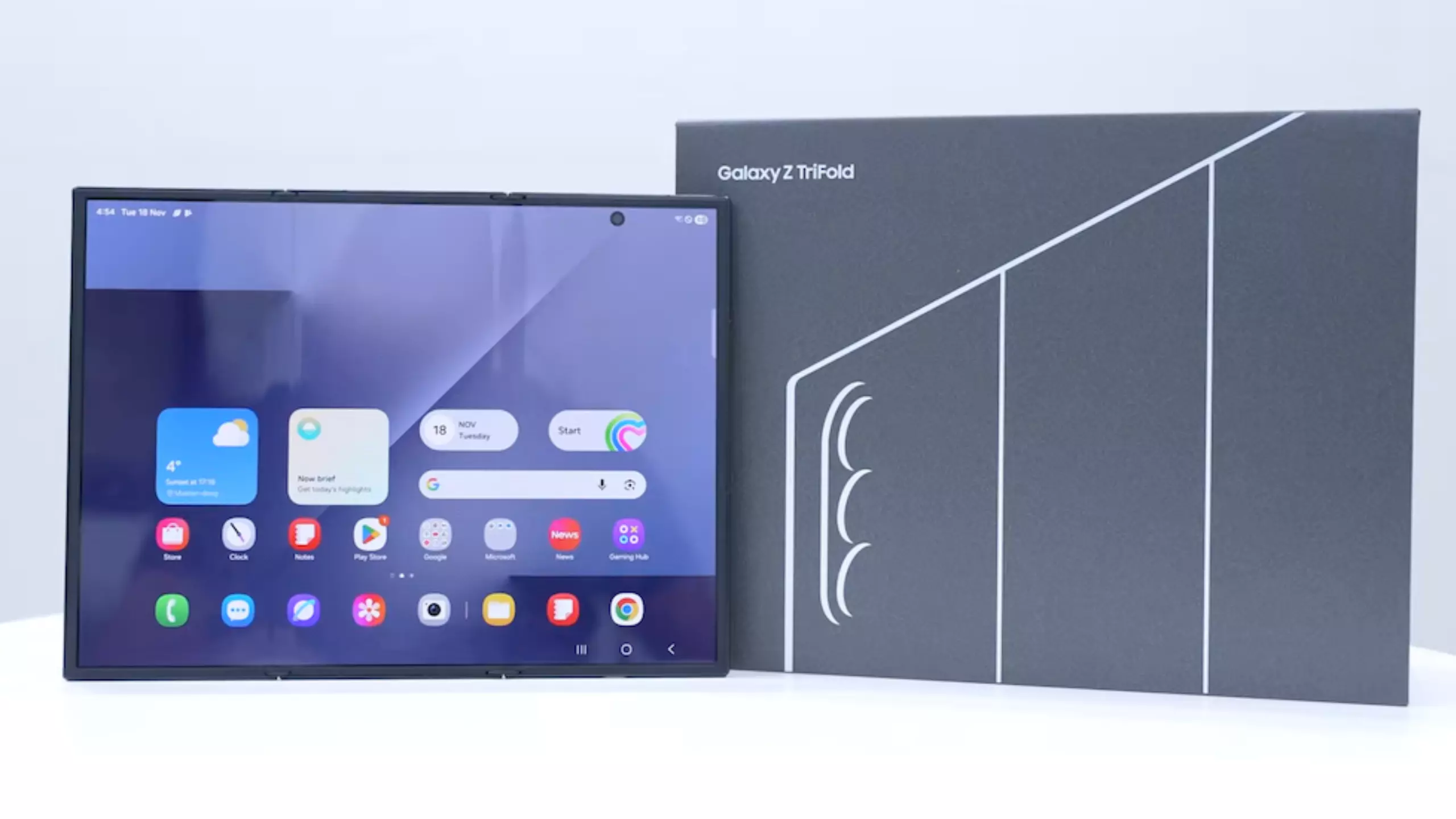
Closing Narrative: The Future Hasn’t Been Written Yet
The Galaxy Z TriFold represents where we are today. But innovation doesn’t stop. Samsung’s research labs are already exploring the next frontier. Rollable screens that extend like a scroll? Possible. Flexible displays that adapt to any form factor? On the horizon.
Yet the TriFold’s significance isn’t that it’s the endpoint of innovation. It’s that it’s a waypoint—a moment where the mobile industry collectively realized that “the phone” isn’t a fixed form factor. It’s a canvas that adapts to human need.
The professionals carrying a TriFold today aren’t just using a device; they’re participating in a quiet revolution about how humans interface with technology. They’re opting out of the “slab phone” hegemony and choosing a tool that genuinely expands what’s possible.
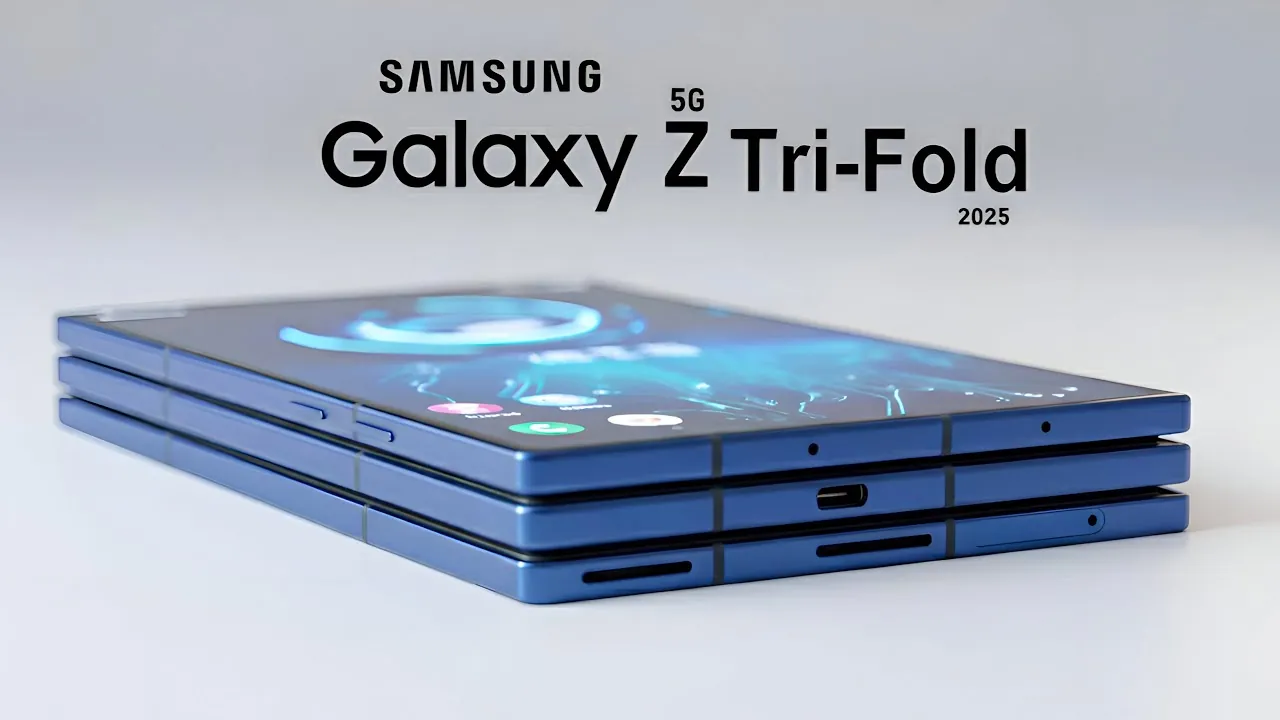
The Unwritten Stories
In boardrooms across Dubai, Seoul, Singapore, and beyond, designers are discovering that the 10-inch canvas changes not just how they work—but what they can dream. In coffee shops globally, remote workers are experiencing genuine liberation from the laptop weight they’ve carried for years.
These stories haven’t been told yet, but they’re being lived right now. A year from now, Samsung’s customer testimonials will reveal how the TriFold became indispensable to workflows we haven’t even considered yet.
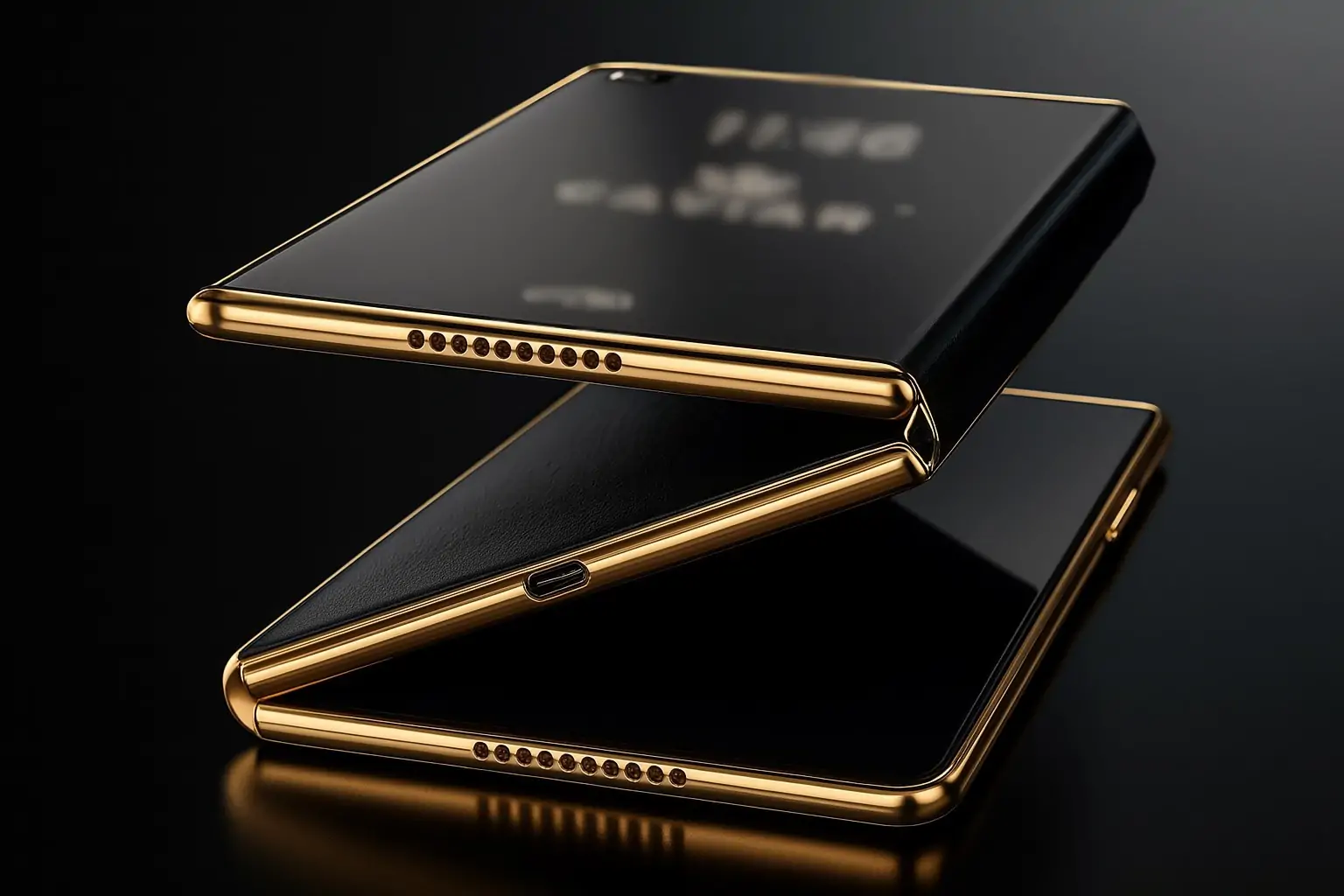
The Invitation
The Galaxy Z TriFold is available now, starting December 19, 2025, in the UAE—with broader expansion likely following. It’s not the device for everyone. It’s not meant to be. It’s engineered for those who believe their tools should empower their potential, not constrain it.
For creatives seeking larger canvases. For professionals demanding mobile productivity. For visionaries ready to experience what’s next in mobile innovation.
The shape of what’s next in mobile is here. It folds. It expands. It performs.
And it’s ready for you to imagine what’s possible.
